
Sustainable Research and Action for Environmental Development (SRADeV Nigeria) has called on governments at all levels to strengthen enforcement against activities threatening Nigeria’s rapidly declining mangrove ecosystems, warning that continued degradation is worsening flooding in coastal communities.
SRADeV said urgent and stricter enforcement of environmental regulations was critical to reducing the increasing incidence of flooding and safeguarding millions of Nigerians who depend on coastal resources for their livelihoods.
According to the organisation, Nigeria hosts one of Africa’s largest mangrove ecosystems, covering about 504,800 hectares in the Niger Delta and 95,000 hectares in Cross River State, making it the third largest globally.
It noted that mangroves provide vital ecological and economic benefits, including shoreline protection, carbon absorption, biodiversity conservation, and support for fisheries, tourism, and local economies.
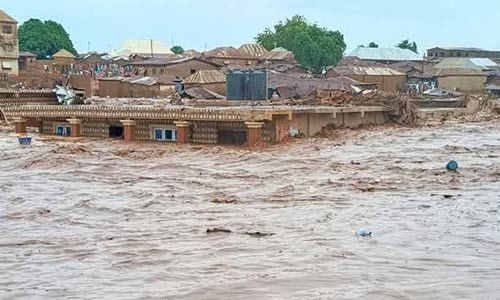
The organisation, however, expressed concern that flooding had become more frequent in coastal communities, leading to widespread destruction of property, disruption of livelihoods, and increased pressure on infrastructure.
SRADeV attributed the worsening flooding to the continuous degradation of mangrove forests, which serve as natural buffers against erosion, storm surges, and rising sea levels.
It identified rapid urbanisation, industrial expansion, sand dredging, and land reclamation as major drivers of mangrove loss, particularly in Lagos and Port Harcourt.
The group also highlighted pollution, unsustainable fuelwood harvesting, the spread of invasive nipa palms, and weak enforcement of environmental laws as additional factors accelerating degradation across the Niger Delta.
Dr. Adogame described mangrove depletion as one of the most pressing environmental challenges facing Nigeria’s coastal regions, stressing that the increasing rate of flooding was a direct consequence of ecosystem destruction.
He urged authorities to prioritise the enforcement of laws protecting wetlands and coastal environments, noting that failure to act could further expose vulnerable communities to climate-related disasters.
Also speaking, Mr. Victor Fabunmi, Programmes Manager of SRADeV Nigeria, emphasised that coordinated monitoring and stronger enforcement mechanisms could help reverse the current trend of mangrove loss.
Fabunmi called for the designation of Lagos wetlands under the Ramsar Convention to enhance legal protection and promote sustainable conservation efforts.
SRADeV further recommended the deployment of technology-driven monitoring systems, stricter approval processes for dredging and land reclamation, and improved inter-agency collaboration to curb environmental violations.
READ ALSO: Radiant diGiLog Tackles Logistics Inefficiencies with Workforce Management Platform
NYSC Needs Increased Funding, Not Restructuring – Youth Group
The organisation also urged the Federal Government to finalise and operationalise the National Wetland Policy, which has remained in draft form since 2001, stressing the need for clear implementation targets and stronger enforcement capacity.
It called on governments, businesses, and local communities to work collectively to protect mangrove forests, describing them as essential for flood resilience, food security, economic stability, and sustainable coastal development.
About The Author