Nigeria’s economic relations with the United Arab Emirates (UAE) have recorded a significant boost, with non-oil trade between both countries rising to $5 billion in 2025, alongside new investments and expanded aviation links.
The development comes as , Minister of Foreign Affairs, disclosed plans for the implementation of the Comprehensive Economic Partnership Agreement (CEPA), a framework expected to deepen economic cooperation and unlock opportunities for Nigerian businesses and professionals.
A major highlight of the growing partnership is the planned entry of into Nigeria, with the bank set to establish operations in Lagos. The move signals increasing investor confidence in Nigeria’s financial sector and is expected to enhance access to foreign capital and financial services.
In the aviation sector, the UAE’s national carrier, , is set to commence flight operations to Abuja later this year. The expansion is anticipated to strengthen connectivity, boost tourism, and facilitate business travel between both nations.
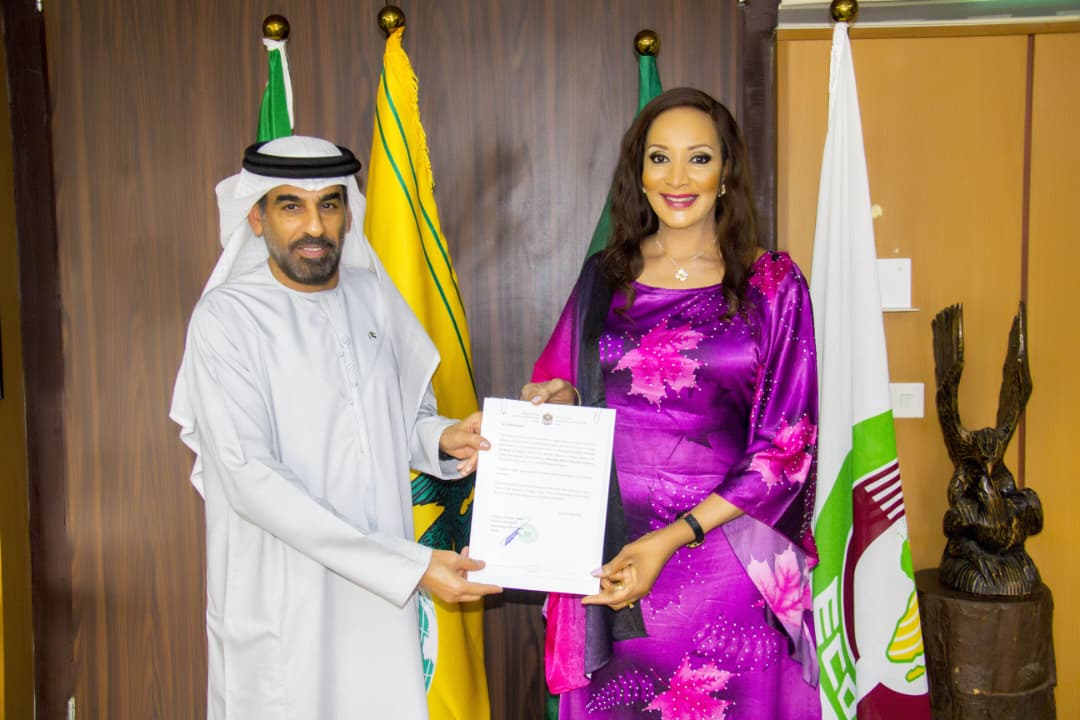
The UAE Ambassador to Nigeria, , revealed that bilateral non-oil trade grew from $4.3 billion in 2024 to $5 billion in 2025, with projections indicating it could reach $8 billion by 2027. He attributed the growth to strong trade flows, investment partnerships, and increased people-to-people exchanges.
Al-Shamsi also announced improvements in visa processes for Nigerians, noting that visa restrictions have been eased significantly, with no reported rejections in recent times. According to him, over 15,000 Nigerians visited the UAE in the past year, reflecting renewed confidence in bilateral mobility arrangements.
From a diplomatic and security perspective, the envoy reaffirmed the UAE’s support for Nigeria in combating terrorism, stating that the Gulf nation has consistently condemned attacks in Nigeria and remains committed to regional stability.
On her part, Odumegwu-Ojukwu emphasized Nigeria’s readiness to attract foreign direct investment, particularly from UAE sovereign wealth funds and private investors. She noted that longstanding issues, especially around visa access, have been resolved through sustained diplomatic engagement.
She further described the strengthening ties as a testament to mutual commitment, highlighting the early congratulatory outreach by the UAE leadership, including , following her appointment.
READ ALSO: Soludo Urges SouthEast to Align with Power Sharing Reality Ahead of 2027
Nigeria Govt Calls for Korea, Africa Green Energy Alliance
Analysts view the developments as multi-dimensional—spanning trade, finance, aviation, and diplomacy—positioning the Nigeria-UAE partnership as a strategic economic corridor with long-term implications for diversification away from oil dependency.
With CEPA implementation on the horizon, the entry of major financial institutions, and improved travel links, both countries appear set to transition from cordial relations to a more robust economic alliance.
About The Author