By Fatima Saka
Nigeria’s quest for dairy self-sufficiency will remain elusive unless state and local governments take ownership of implementation, a livestock expert, Professor Demo Kalla, has said.
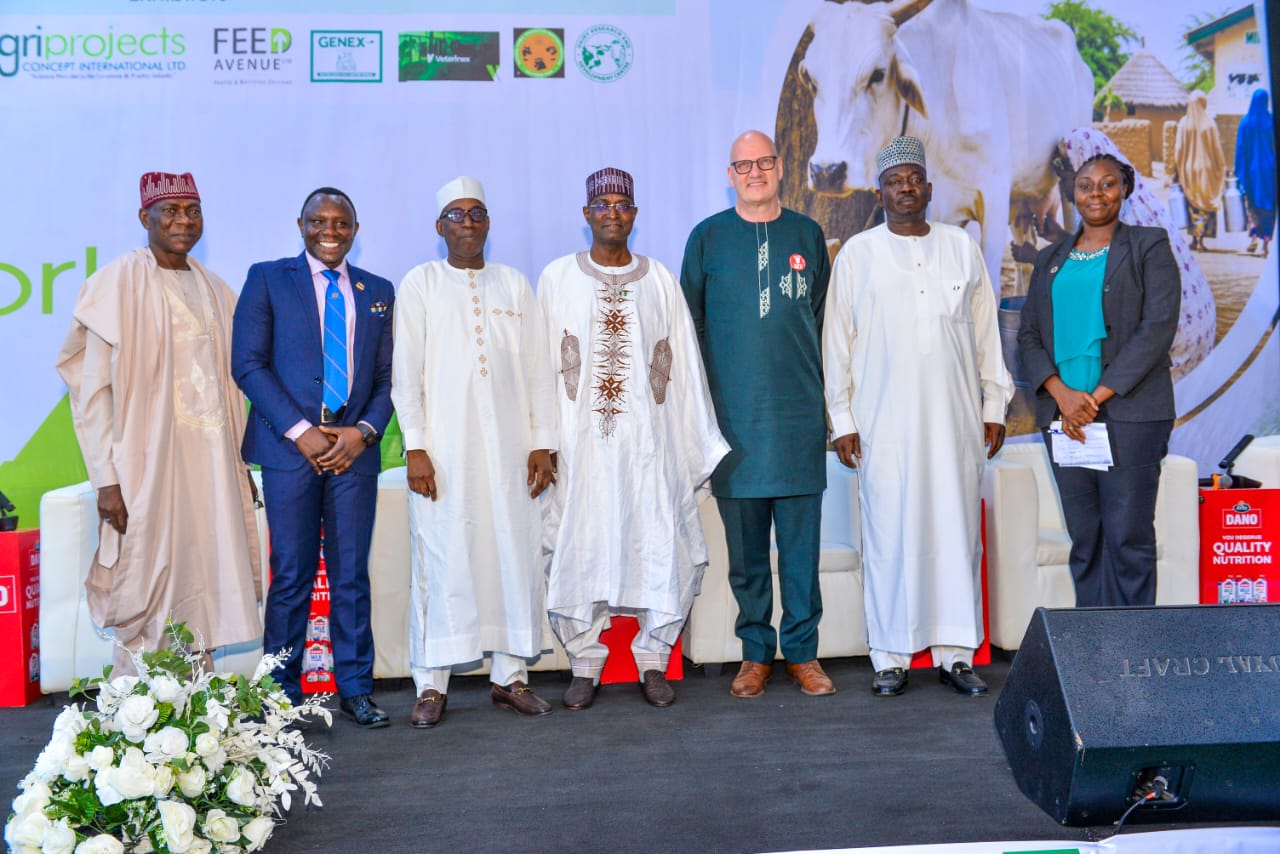
Kalla, a member of the Presidential Livestock Reforms Implementation Committee (PLRIC), made this assertion during a panel session marking the 2026 World Milk Day, stressing that real progress in milk production must occur at the grassroots rather than in federal policy frameworks.
Speaking on the theme, “Mainstreaming Dairy Development Policy at the Sub-national Level for Self-sufficiency: Opportunities, Challenges and Way Forward,” Kalla described sub-national engagement as the “missing link” in Nigeria’s dairy transformation agenda.
“Milk is produced in communities, not in policy documents. The success of Nigeria’s dairy transformation depends on concrete actions taken by states and local governments,” he said.
He urged sub-national governments to domesticate the National Dairy Policy, integrate dairy development into economic planning, and create investor-friendly frameworks to unlock the country’s vast livestock potential.
According to him, repositioning dairy as a priority economic sector at the grassroots level would boost rural economies, enhance nutrition, and reduce Nigeria’s dependence on imported milk products.
Kalla also highlighted the critical role of academia and research institutions in driving sustainable dairy development, noting that innovation, skills development, and technology transfer are essential to building a competitive dairy industry.
“The dairy industry we envision will not be built on infrastructure alone but on knowledge, innovation, and strong partnerships,” he added.
He identified key priorities including demand-driven research, establishment of demonstration farms, digital extension services, and capacity building for farmers and processors.
Earlier, the Special Adviser to the President on Livestock Development, Professor Attahiru Jega, described dairy development as a strategic economic opportunity capable of generating employment, improving nutrition, and strengthening local value chains.
Jega noted that the 2026 World Milk Day theme, “Celebrating Women Dairy Farmers: Promoting Fresh Milk Consumption for a Healthy Nation,” underscores the critical role women play across the dairy value chain.
He further referenced the United Nations’ designation of 2026 as the International Year of the Woman Farmer, emphasizing the need to empower women with access to finance, technology, and market opportunities.
“Every litre of locally produced milk strengthens domestic value chains, improves incomes, and contributes to national food security,” he said.
Jega reaffirmed the Federal Government’s commitment to livestock reforms, including investment promotion, breed improvement, pasture development, and public-private partnerships.
READ ALSO: Nigeria, UAE Non-Oil Trade Hits $5bn
Soludo Urges SouthEast to Align with Power Sharing Reality Ahead of 2027
He called for stronger collaboration among state governments, investors, and development partners to accelerate Nigeria’s journey toward dairy self-sufficiency.
Stakeholders at the event agreed that without deliberate action at the sub-national level, Nigeria’s ambition to achieve a self-reliant dairy sector may remain unattainable.
About The Author