The Chartered Institute of Logistics and Transport Nigeria has raised concerns over Nigeria’s struggling transport system, calling for urgent adoption of predictive, integrated, and multimodal solutions to improve efficiency and drive economic growth.
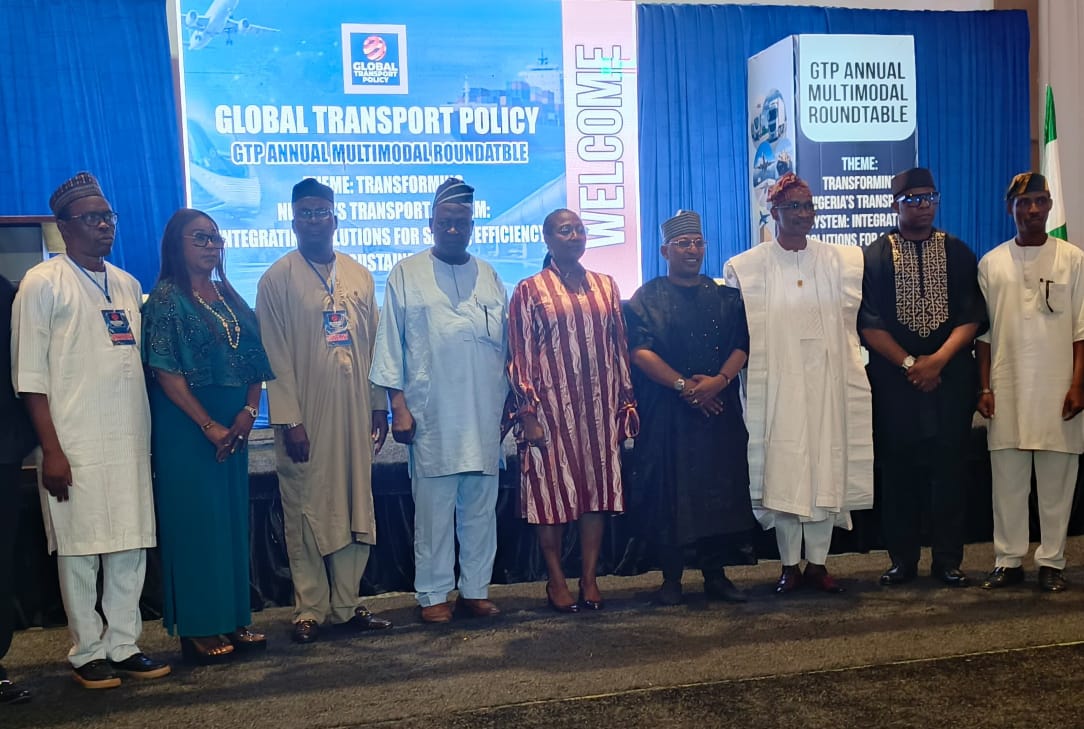
Chairman of the Council, Dr. Boboye Oyeyemi, made this known on Wednesday in Lagos at the 2026 Global Transport Policy (GTP) Annual Multimodal Roundtable, themed “Transforming Nigeria’s Transport System: Integrating Solutions for Safety, Efficiency and Sustainability.”
Oyeyemi said Nigeria’s transport sector must evolve toward predictive safety systems, high-efficiency logistics reforms, and environmentally sustainable practices. He identified governance frameworks, innovative financing models, futuristic mobility, and human capacity development as key pillars for transformation.
He noted that despite Nigeria’s vast size—spanning over 923,000 square kilometres with a population exceeding 240 million—and an extensive transport network, the system remains fragmented and poorly coordinated.
According to him, while the country has over 204,000 kilometres of roads, only about 5,000 kilometres are under federal control, leaving the bulk to states and local governments within a complex governance structure.
“With more than 14 million drivers and increasing population pressure, transport demand is rising rapidly, exposing inefficiencies and underscoring the urgent need for a functional multimodal transport system,” Oyeyemi said.
He added that integration across road, rail, inland waterways, and pipelines remains weak, with little inter-state connectivity, thereby worsening mobility challenges and economic inefficiencies.
Oyeyemi further highlighted that poor maintenance culture, weak institutional frameworks, lack of reliable data, and accountability gaps continue to undermine the performance of transport investments.
He warned that practices such as truck overloading, absence of weighbridges, and weak enforcement mechanisms are accelerating infrastructure deterioration, while stationary heavy-duty vehicles on bridges pose structural risks.
“The country has made heavy investments in transport infrastructure, but without integration, intelligence, and effective systems management, returns on these investments will remain suboptimal,” he said.
Also speaking, Chairman of the GTP Roundtable, Dr. Oluwasegun Musa, said Nigeria loses an estimated N3.2 trillion annually due to transport inefficiencies, with logistics costs exceeding 42 per cent of the nation’s Gross Domestic Product (GDP).
Musa described the current system as heavily road-dependent, with weak rail utilization and high accident rates. He also pointed to institutional gaps, including low workforce digitisation—estimated at just 18 per cent—and significant skills deficits.
He stressed that sustained investment in human capital development is critical to building a resilient, technology-driven, and efficient transport system.
READ ALSO: Mrs Soludo Rescues Survivor to Begin University Education
AFNIS 2026 Implementation Drive to Shape Africa’s Policy, Investment Landscape — Alake
Musa called for stronger public-private partnerships, adoption of smart mobility solutions, and full integration of transport modes to achieve a safer, greener, and more efficient system.
“The roundtable must deliver actionable solutions that will reposition Nigeria’s transport sector for sustainable growth,” he said.
About The Author