The Government of Nigeria has called on African nations and the African Union (AU) to intensify efforts to combat illicit financial flows, identifying them as a major driver of terrorism and violent extremism across the continent.
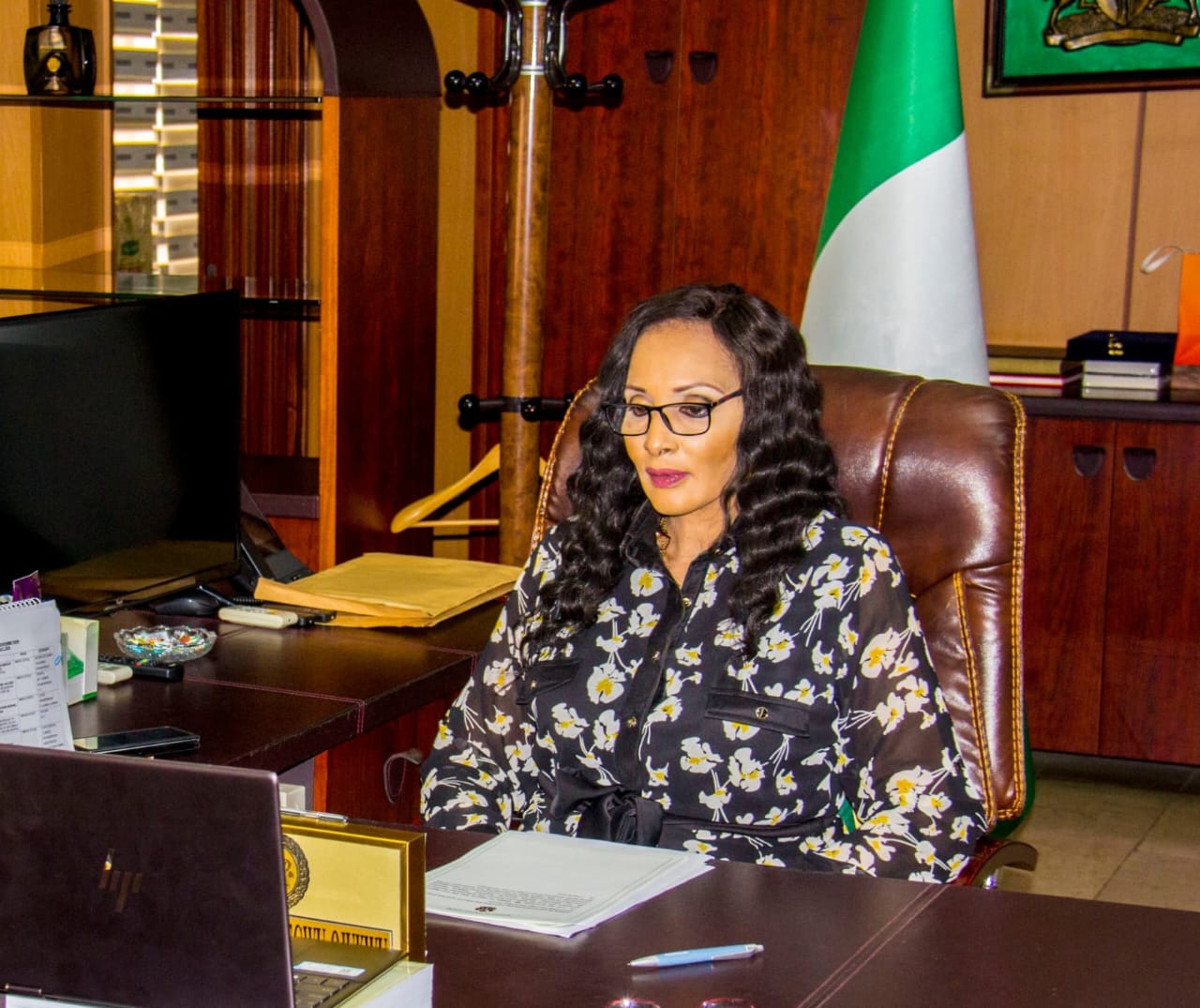
The Minister of Foreign Affairs, Bianca Odumegwu-Ojukwu, made the call at the 1354th Meeting of the Peace and Security Council (PSC) of the AU held at the ministerial level on Tuesday.
Addressing the virtual meeting, the minister stressed that access to illicit funds remains a critical obstacle in the fight against terrorism in Africa, enabling terrorist groups to recruit youths and acquire weapons.
She urged the PSC to prioritise stronger international collaboration in preventing, tracing, and recovering proceeds of illicit financial flows, particularly from safe havens, and returning them to their countries of origin.
Odumegwu-Ojukwu warned that terrorist groups across the continent were becoming increasingly resilient, adapting to conventional military strategies and leveraging emerging technologies such as drones and digital platforms to advance their operations.
She also noted that these groups continue to access funding through criminal activities, including kidnapping for ransom and illegal mining of precious minerals in territories under their control.
Reaffirming Nigeria’s stance, the minister condemned terrorism and violent extremism, expressing solidarity with victims and commending the sacrifices of armed forces combating insurgency across Africa.
She further highlighted concerns that the spread of terrorism in West Africa has been used to justify unconstitutional changes of government by military actors, stressing the need for coordinated continental action.
Odumegwu-Ojukwu called for the implementation of commitments made during the 2022 Malabo Extraordinary Summit on Counter-Terrorism and the 2024 High-Level African Counter-Terrorism Meeting held in Abuja.
She cautioned against labelling Africa as the global epicentre of terrorism, warning that such narratives could lead to profiling and unfair treatment of innocent Africans internationally.
The minister outlined Nigeria’s comprehensive counter-terrorism strategy, which combines military operations with non-kinetic approaches such as deradicalisation, rehabilitation, economic empowerment, and community engagement.
According to her, Nigeria has made significant progress in degrading the operational capacity of terrorist groups such as Boko Haram and Islamic State West Africa Province, while restoring government authority in affected communities.
She added that Nigeria continues to strengthen regional cooperation through intelligence-sharing, improved border security, and active participation in the Multinational Joint Task Force (MNJTF), which she described as a model for continental counter-terrorism efforts.
The minister also advocated for enhanced cybersecurity measures, improved early warning systems, and the development of ethical guidelines for the use of artificial intelligence in counter-terrorism operations.
Calling on international partners to demonstrate zero tolerance for terrorism, Odumegwu-Ojukwu urged stricter controls to prevent non-state actors from accessing arms, ammunition, drones, and other dual-use technologies.
READ ALSO: Waste Evacuation Delays to Ease, Lagos Moves to Acquire 3,000 Compactor Trucks
Tinubu Congratulates UK’s New Prime Minister, Seeks Stronger Nigeria–UK Ties
The meeting was presided over by Haruna Kasolo, who currently serves as Chairperson of the AU Peace and Security Council for July 2026.
Nigeria reiterated its commitment to partnerships and collective action in addressing terrorism and violent extremism across Africa.
About The Author