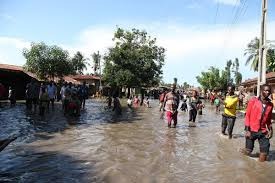
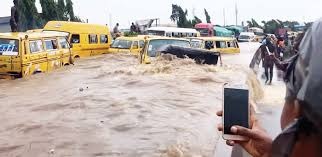
The National Emergency Management Agency (NEMA) has intensified flood preparedness efforts across Lagos State, focusing on high-risk communities identified in the 2026 flood outlook, as authorities move to mitigate the impact of anticipated heavy rainfall.
The Head of Operations at NEMA’s Lagos Territorial Office, Mohammed Olatunde, disclosed this while outlining the agency’s strategy for the rainy season, stressing that proactive measures are being deployed to reduce vulnerability and safeguard lives and property.
According to him, forecasts from the Nigerian Hydrological Services Agency (NIHSA) and the Nigerian Meteorological Agency (NiMet) indicate that coastal areas such as Badagry and Epe are likely to experience high rainfall levels capable of triggering significant flooding.
He further identified Alimosho, Ikeja, and Surulere as areas prone to flash floods due to intense rainfall, while Ikorodu and Isheri face additional risk from possible water releases from the Oyan Dam.
Olatunde explained that NEMA has adopted a location-specific, proactive disaster management approach, moving beyond generic warnings to targeted communication strategies aimed at vulnerable communities.
“We do not just broadcast general warnings. Technical information is simplified and disseminated through WhatsApp groups, phone calls, and SMS to community leaders in flood-prone areas,” he said.
He added that grassroots sensitisation campaigns are being carried out through emergency management vanguards and volunteers to ensure wider public awareness and preparedness.
As part of its strategy, NEMA is also collaborating closely with NIHSA to receive weekly updates, enabling the agency to provide timely alerts on emerging flood threats.
Olatunde noted that inter-agency collaboration has been strengthened with the Lagos State Government, particularly the Lagos State Emergency Management Agency (LASEMA) and the Ministry of the Environment and Water Resources.
He said the partnership is focused on critical areas such as drainage maintenance, waste management, and public awareness, all aimed at reducing flood risks across the state.
“Drainage channels remain the first line of defence against flooding. Clearing primary and secondary drainage systems ahead of peak rainfall is therefore a top priority,” he said.
The NEMA official identified indiscriminate refuse dumping and construction on floodplains as major human-induced causes of flooding in Lagos, warning that such practices significantly worsen the impact of heavy rains.
He added that the agency is supporting enforcement efforts by relevant authorities to curb these activities and promote environmental compliance.
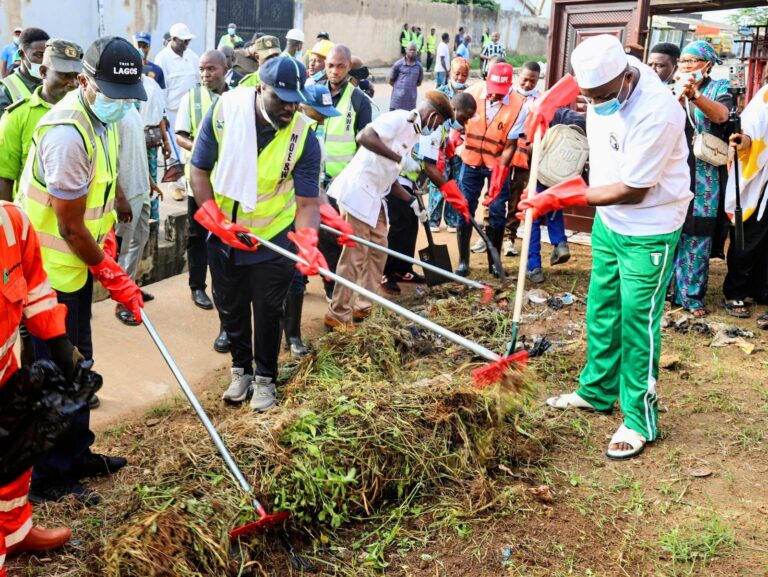
Olatunde also commended the Lagos State Government for reintroducing the monthly environmental sanitation exercise, describing it as a vital step toward preventing drainage blockages and maintaining cleaner surroundings.
The exercise, held on the last Saturday of every month, encourages residents to clean their environment, clear drainage channels, and ensure proper waste disposal through the Lagos Waste Management Authority.
READ ALSO: Nigeria’s Next Lifeline: Why Stronger Sugary Drinks Tax Is the Smartest Way to Finance NCD Care
He urged residents to actively participate in sanitation efforts and adopt responsible environmental practices, noting that community involvement remains critical in reducing flood risks and preventing sanitation-related diseases.
As the rainy season intensifies, authorities say sustained public cooperation and early preparedness will be key to minimising the impact of flooding across Lagos State.
About The Author