By Fatima Saka
Abuja, Nigeria — The Aggah community in Rivers State, alongside civil society organisations, has filed an appeal against a judgment of the Ordinary Court of Milan which dismissed their environmental lawsuit against Eni S.p.A. and Oando Energy Resources Nigeria Ltd. over decades-long flooding allegedly caused by oil infrastructure.
The appeal follows the April 9, 2026 ruling by the Italian court, which, while affirming jurisdiction over the overseas activities of Italian parent companies, held that Eni and its former subsidiary had fulfilled obligations under a 2019 Terms of Settlement (ToS). The court ruled that the agreement required specific remedial works but did not guarantee the complete elimination of flooding.
The lawsuit was initiated by the Egbema Voice of Freedom (EVF), Advocates for Community Alternatives (ACA), and community activist Pastor Nicholas Evaristus Ukaonu, who accused the companies of constructing oil infrastructure that obstructed natural waterways in Aggah, located in Ogba/Egbema/Ndoni Local Government Area of Rivers State.
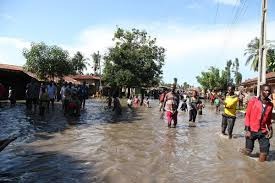
The claimants argued that embankments and access roads built by the former Nigerian Agip Oil Company (NAOC), now operated by Oando, have for decades worsened seasonal flooding, leading to widespread destruction of homes, farmlands, and livelihoods, as well as loss of lives and environmental degradation.
Speaking during a webinar reviewing the judgment, community representatives and rights groups expressed deep dissatisfaction with the ruling, describing it as a setback for environmental justice. They confirmed that an appeal has been filed before the Italian Court of Appeal, seeking a comprehensive review of the case.
A major point of contention in the judgment was the court’s dismissal of claims for damages on procedural grounds, ruling that EVF lacked the legal standing to represent nearly 1,900 affected residents. The court also ordered the claimants to pay over €180,000 in legal costs.
Reacting to the decision, Pastor Ukaonu described the cost award as “punitive and unjust,” questioning the fairness of requiring a flood-affected community to bear such financial burden. He reaffirmed the community’s resolve to pursue justice despite the setback.
Legal representatives and stakeholders at the webinar argued that the Milan court failed to adequately consider critical technical and environmental evidence presented during proceedings. They pointed to multiple reports, expert assessments, and prior agreements acknowledging the role of oil infrastructure in exacerbating flooding in the area.
The case, according to the claimants, originated from complaints filed in 2019 through the Organisation for Economic Co-operation and Development (OECD) National Contact Point in Italy, which led to mediation and eventual agreement on remedial actions.
However, participants argued that the drainage channels and culverts constructed by the companies were insufficient to address the root causes of flooding, citing historical reports that had long identified design and capacity deficiencies in the infrastructure.
They also referenced a February 2023 judgment by a Federal High Court in Nigeria, as well as findings by the Rivers State Ministry of Environment, which reportedly linked the flooding to oil facility structures in the area.
Stakeholders further criticised what they described as the court’s reliance on procedural technicalities, particularly the issue of legal standing, which they said prevented full consideration of the substantive environmental and human rights issues raised.
Concerns were also raised about the limited attention given to the social and humanitarian impact of the flooding, with calls for journalists and media organisations to visit Aggah community to document the realities on ground.
Looking ahead, the legal team representing the community expressed confidence that the Italian Court of Appeal would re-examine the case, including the interpretation of the 2019 settlement, the handling of evidence, and the broader issues of accountability.
READ ALSO: NEMA DG Nominated for Blueprint’s 2025 Humanitarian Leadership Award
MURIC Accuses NCC of Marginalising Muslim Staff, Demands Fair Promotion Process
The claimants reaffirmed their commitment to pursuing environmental remediation and a permanent engineering solution to end the recurring floods, insisting that justice must be served for the people of Aggah who have endured decades of hardship.
They vowed to continue exploring all legal avenues while advocating for the restoration of their environment, livelihoods, and safety.
About The Author