
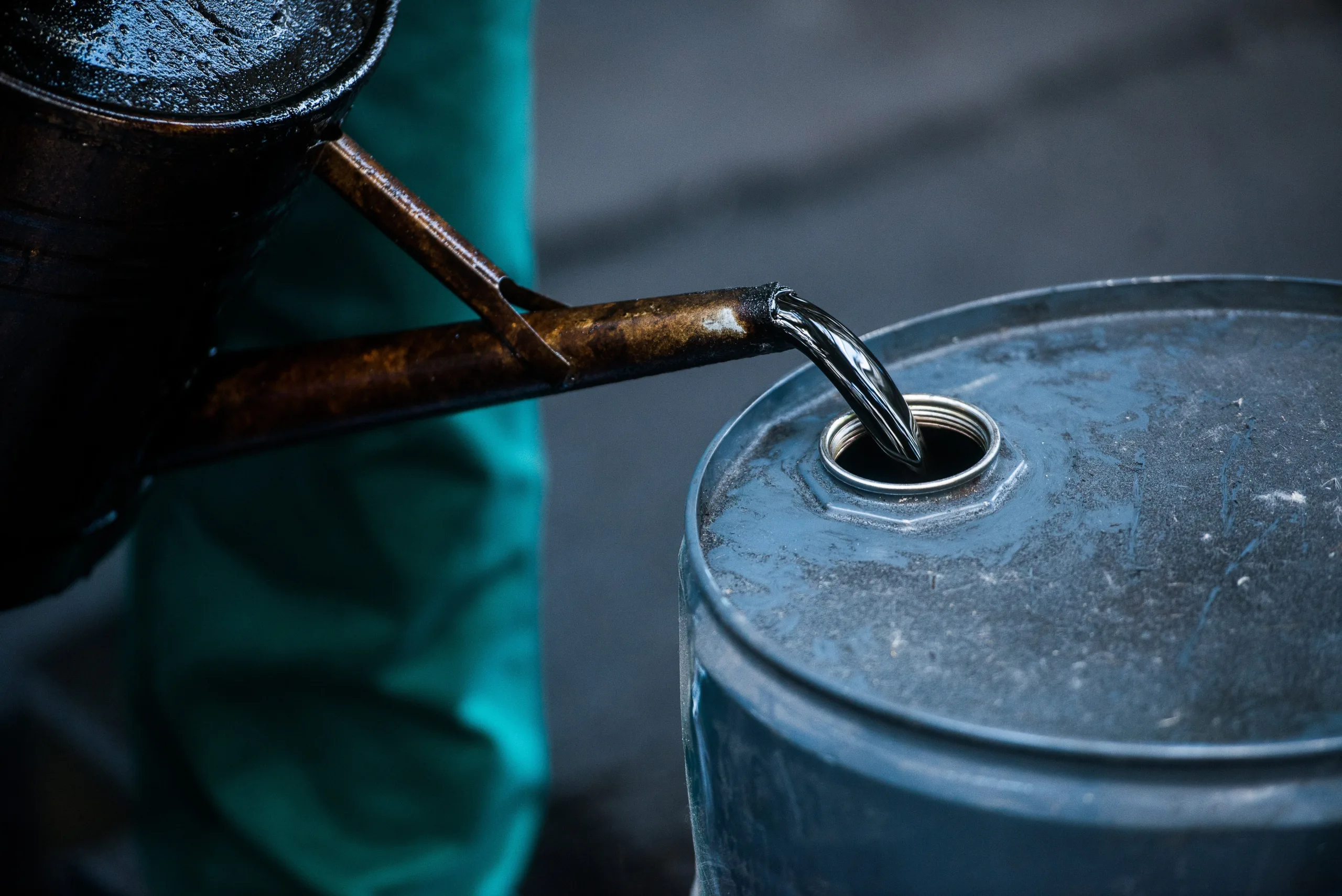
The Muslim Rights Concern (MURIC) has commended the Federal Government for suspending petrol imports into Nigeria following an increase in domestic refining capacity, describing the decision as a bold step toward strengthening the country’s energy independence.
In a statement issued on Thursday, the Executive Director of MURIC, Ishaq Akintola, praised the move, noting that it would boost local refining and reduce Nigeria’s dependence on imported petroleum products.
The Federal Government had earlier announced the suspension of petrol imports after a noticeable increase in local production, a development seen as a major milestone in Nigeria’s push for self-sufficiency in the energy sector.
Akintola described the policy as “commendable, forthright and nationalistic,” adding that it would help widen the market for local refineries while preventing saturation from excessive inflow of foreign petroleum products.
However, the group urged the administration of Bola Ahmed Tinubu to go further by ensuring that local refineries receive 100 per cent of the crude oil they require to operate at optimal capacity.
According to MURIC, it would be counterproductive for Nigeria to continue experiencing challenges in fuel supply despite the existence of large-scale refineries such as the Dangote Refinery.
The organisation expressed concern over reports indicating that the refinery currently receives between 28 and 32 per cent of the crude oil it requires, describing the situation as disturbing and inconsistent with the country’s energy goals.
MURIC therefore called on President Tinubu to issue an executive order mandating the full supply of crude oil to local refineries to enable them to operate efficiently and help stabilise fuel prices in the country.
READ ALSO: NIDCOM Urges Due Process for 42 Nigerians Detained in Mozambique
2026 World Glaucoma Week: FG Intensifies Efforts to Tackle Permanent Vision Loss in Nigeria
The group also applauded the Federal Government’s initiative to deploy 100,000 compressed natural gas (CNG) buses aimed at easing transportation challenges for Nigerians, noting that such measures should be complemented by stronger policies that prioritise crude oil supply to domestic refineries.
It stressed that ensuring adequate crude supply would reduce reliance on middlemen and traders, lower production costs for local refineries, and ultimately translate into more affordable fuel for Nigerians.
About The Author