Movie producers have expressed interest in using an 87-year-old storey building in Igbo-Ukwu, Anambra State, as a location for epic and historical films, raising prospects for the preservation and promotion of the community’s rich cultural heritage.
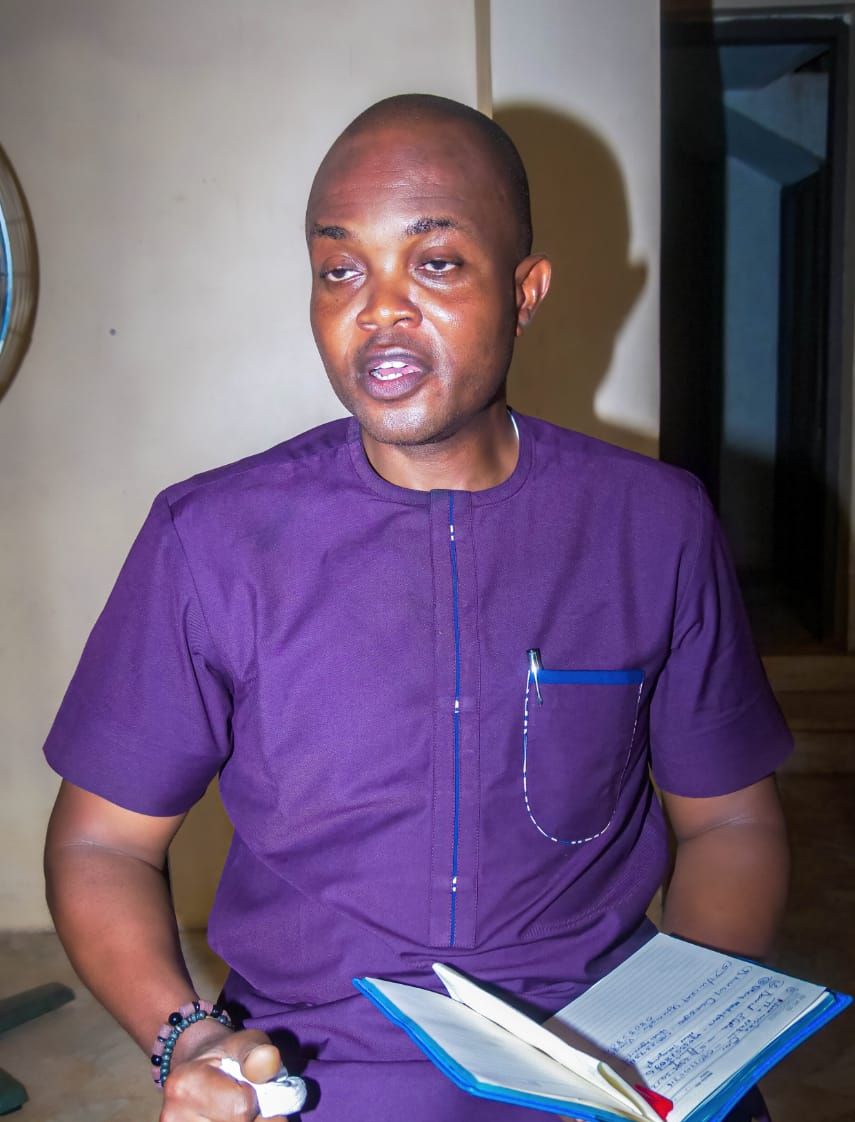
The owner of the historic building, Mr Ozioma Ubabukoh, said the interest from filmmakers was one of the motivations behind plans to renovate the structure, completed in 1939 and reputed to be the first storey building in Igbo-Ukwu, Aguata Local Government Area.
Ubabukoh, grandson of the late Chief John Ubabukoh, said the renovation would give the building a vintage, ancestral and monumental outlook suitable for epic film productions while preserving its historical significance.
“Some movie producers have already expressed interest in using the building as a location for epic movies.
“This is another way we can tell our story and showcase our cultural heritage to the world,” he said.
He said the project would reconnect the building with the Igbo-Ukwu National Museum, with the aim of attracting tourists, promoting Igbo culture and boosting the local economy.
According to him, using the historic structure as a film location could expose Igbo-Ukwu’s architecture, history and cultural heritage to wider audiences within and outside Nigeria.
Ubabukoh said the renovation would also help position Igbo-Ukwu as a cultural city and a major heritage tourism destination in Anambra.
“Anambra has about four cities already. Onitsha is the commercial city, Nnewi is the industrial city, Awka is the capital city, while Ekwulobia is gradually becoming a city.
“The renovation of this 87-year-old building will make Igbo-Ukwu a cultural city because it will be annexed to the National Museum to become a heritage site that will promote Igbo culture,” he said.
He added that Igbo-Ukwu could replicate the model of historical tourism destinations such as Antalya in Turkey by leveraging its cultural and archaeological heritage to attract visitors.
“Igbo-Ukwu is an ancestral land of Igbo culture and the land of arts.
“I call on the state government, corporate bodies and well-meaning individuals to key into this project to tell our story as Igbo people,” he said.
Chief John Ubabukoh died in February 1996 at the age of 92, while his first son, Mr Ifeanyichukwu Ubabukoh, inherited the building.
Ozioma said his father, before his death in February 2024, instructed him, as the first son, not to demolish the building but to preserve it as a family and community legacy.
Also speaking, Mr Okey Ubabukoh, 73, the oldest surviving child of Chief John Ubabukoh, said constructing the building was difficult at the time because colonial authorities had taken possession of much of the timber for export to support the war effort.
“My father had to go into the thick forest to source for wood to build the storey building, and it is still standing strong till today,” he said.
He described Chief John as an influential businessman who operated in Northern Nigeria and spoke Hausa fluently.
He added that his father was also a contractor who constructed several schools, churches and houses and served as a customary court judge.
According to him, Chief John worked with Prof. Thurstan Shaw, a British archaeologist, during the exploration and excavation of bronze artefacts and other antiquities that led to the establishment of the Igbo-Ukwu National Museum.
“Ozioma, as the first son, has inherited that building and we will support him to keep that legacy,” he said.
Similarly, Apostle Emeka Ubabukoh, 86, a nephew of the late Chief John Ubabukoh, said the building contributed to the development of Igbo-Ukwu and Aguata at large.
“Chief John was my uncle and growing up, that building was unique and different.
“We played football in that compound, and it is worthy that such great work be celebrated,” he said.
Pa Timothy Anigbogu, a close friend of the Ubabukoh family, described Igbo-Ukwu as an ancient city and home to archaeological discoveries that remain a source of pride to the nation.
READ ALSO: Nigeria Upgrading Digital, Intelligence-Led Border Management System — NIS
Tunji-Ojo Calls for Stronger Partnerships to Secure Nigeria’s Borders
He said the Federal Government established the Igbo-Ukwu National Museum in recognition of the archaeological discoveries in the community.
Anigbogu added that renovating the 87-year-old building would further strengthen Igbo-Ukwu’s position as a major centre for cultural preservation and heritage tourism.
About The Author