Abuja — The Nigeria Union of Journalists (NUJ) has identified malnutrition, rising drug abuse, and the unchecked influx of foreign actors into Nigeria’s media space as emerging drivers of insecurity in the country.
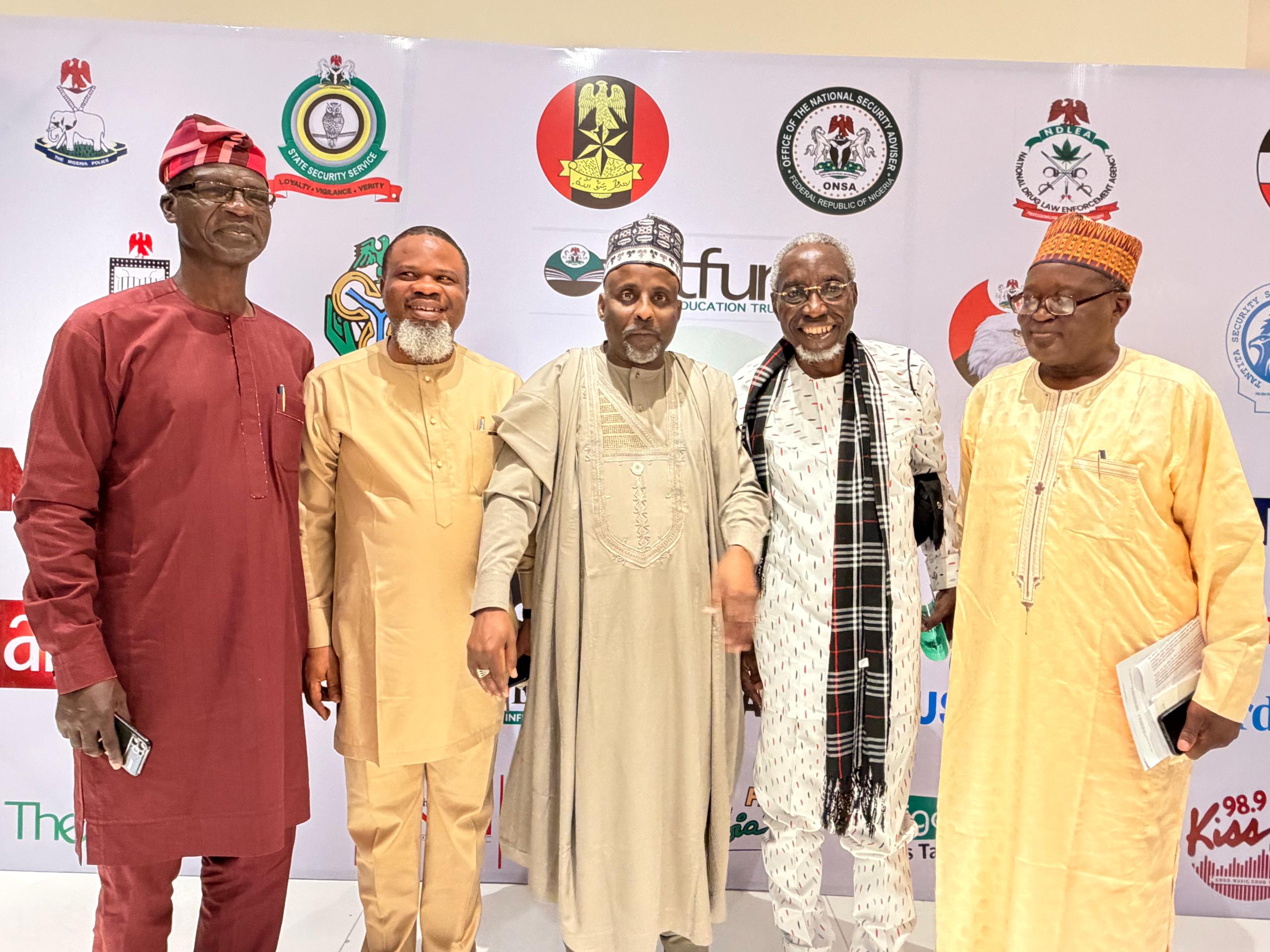
NUJ National President, Comrade Alhassan Yahaya Abdullahi, raised the concerns on Friday at a two-day National Security Summit held in Abuja. The event was organised by the union in collaboration with the Department of State Services (DSS).
The summit, themed “Media and Security Agencies as Partners in Nation Building,” brought together media professionals, security experts, and former military spokespersons to explore strategies for strengthening collaboration in addressing Nigeria’s security challenges.
Abdullahi stressed that journalists must prioritise national security and development in their reportage, noting that the media plays a critical role in safeguarding the country.
He expressed particular concern over the growing presence of foreign interests in Nigeria’s media landscape, warning that it poses potential national security risks and requires deliberate policy intervention.
The NUJ president also linked insecurity to worsening malnutrition, describing it as a largely overlooked issue with long-term consequences.
“Malnutrition is a serious problem, and Nigeria is among the most affected countries globally. Children who suffer from it often experience stunted growth and reduced intellectual development, which ultimately impacts societal stability,” he said.
Abdullahi further identified drug abuse as a major contributor to insecurity, citing alarming data presented at the summit. He called for urgent and decisive measures to address the increasing rate of addiction among Nigerian youths.
“The figures are worrisome. The growing scale of drug abuse has serious implications for crime and insecurity,” he added.
He emphasised that collaboration between journalists and security agencies is essential, urging both sides to work together to reshape security narratives and promote national cohesion.
In his presentation, President of the International Press Institute (IPI), Musikilu Mojeed, advocated dialogue and institutional mechanisms as the most effective means of resolving disputes between the media and government agencies.
Mojeed cited instances where conflicts were resolved through engagement rather than coercion, including a report alleging a DSS raid on the Lagos State House of Assembly, which was later clarified by the agency.
He noted that such cases demonstrate that disagreements can be settled without intimidation, arrests, or harassment.
“The challenge is not to eliminate disagreements but to develop mechanisms that reduce misunderstanding through regular dialogue,” he said.
Mojeed recommended the establishment of structured engagement platforms between media organisations and security institutions, as well as the use of complaint channels and judicial processes to address grievances.
Also speaking, former Director of Defence Information, Maj.-Gen. Chris Olukolade (rtd.), underscored the importance of communication, recounting an incident where security forces searched newspaper distribution vehicles based on intelligence reports.
He explained that the situation, which initially sparked public concern, was quickly resolved through consultations between security authorities and media stakeholders.
“The incident lasted only a day because both sides chose engagement over confrontation,” he said.
Similarly, former Director of Naval Information, Commodore Kabir Aliyu (rtd.), described the media as a strategic partner in national security, noting its influence in shaping public perception.
“The media are not enemies of government or security agencies. They are partners,” he said, urging greater transparency and communication.
READ ALSO: FG Moves to Sustain Zero Ebola Cases, Sets Sights on Leading Africa in Epidemic Preparedness
Nigeria Government Bans Use of Yahoo, Gmail for Official Communications, Mandates GovMail
Former NUJ President, Chris Isiguzo, also cautioned journalists against reporting in ways that could undermine national security, warning that terrorist groups could exploit sensitive information disseminated by the media.
The summit concluded with a renewed call for stronger collaboration, responsible journalism, and sustained dialogue as key tools for addressing Nigeria’s complex security challenges.
About The Author