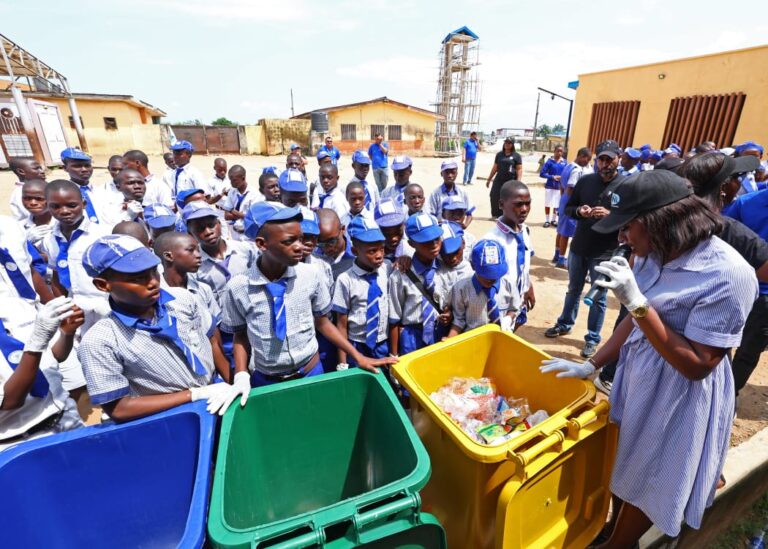
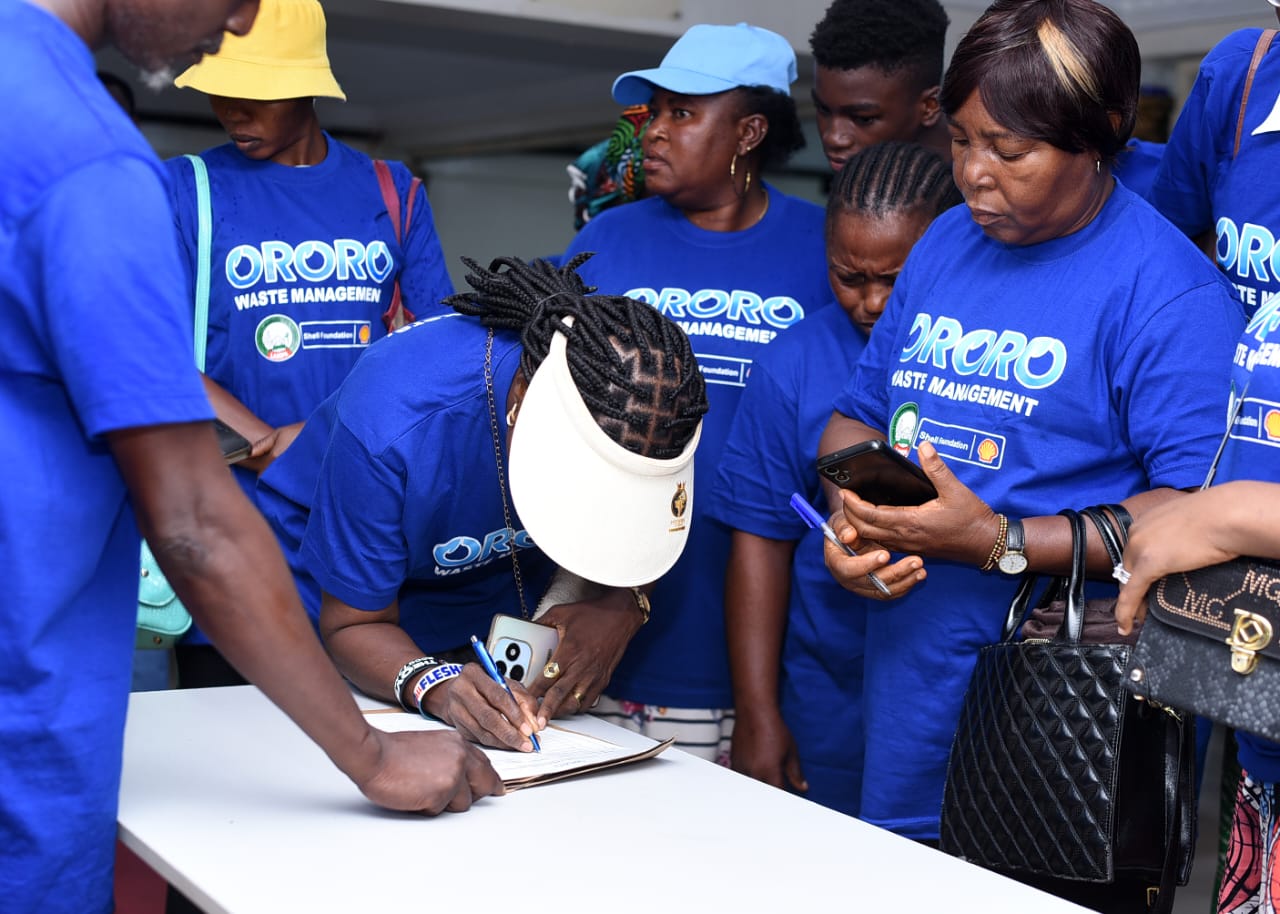
A two-day capacity-building programme aimed at integrating informal workers into Lagos State’s used cooking oil (UCO) value chain has empowered about 250 waste pickers, market women, and youths, marking a major step toward sustainable waste management and job creation.
The initiative, led by Ororo Waste Management Limited in collaboration with the Lagos State Environmental Protection Agency (LASEPA), Shell Foundation, and the Waste Pickers Association of Nigeria (WAPAN), held from July 9 to 10, 2026, at the Lagos Chamber of Commerce and Industry (LCCI), Alausa, Ikeja.
The programme focused on equipping participants with practical knowledge and skills for the safe collection, handling, storage, and transportation of used cooking oil, while opening up new economic opportunities within a structured recycling system.
The training forms part of a broader partnership between Ororo Waste Management and the Lagos State Government to expand household-level UCO collection through LASEPA’s 21 zonal offices.
Participants, drawn from diverse communities and ethnic groups across the state, received training on quality assurance, traceability, environmental best practices, and the economic value of used cooking oil as a feedstock for sustainable aviation fuel and biodiesel production.
Speaking during the programme, one of the facilitators, Mrs. Adebiyi Atinuke, expressed satisfaction with the strong turnout and growing public awareness about the value of used cooking oil.
She noted that many residents initially doubted the economic potential of used vegetable oil but said the training had successfully demonstrated both its financial and environmental benefits.
According to her, the initiative is designed to empower market women and youths, especially those seeking sustainable livelihoods, while also promoting better public health through proper oil disposal practices.
Mrs. Atinuke added that participation in the training was free, with transportation provided for attendees, and called for sustained grassroots sensitisation campaigns to deepen awareness and participation.
She highlighted that the financial incentives attached to UCO collection serve as a key motivator, as individuals earn income based on the quantity of oil supplied through the collection network.
Also speaking, the Director of Operations at Ororo Waste Management Limited, Mr. Olaitan Dawodu, said the programme represents a shift from the company’s earlier focus on restaurants and hotels to a more inclusive household-based collection system.
He explained that waste pickers would collect used oil from households, markets, and designated points, transporting it to community collection kiosks where trained youths would conduct quality checks before it enters the recycling chain.
Dawodu noted that every stakeholder in the value chain—including waste pickers, market women, and youths—would earn income, thereby fostering an inclusive circular economy that creates jobs while safeguarding public health and the environment.
He added that extensive community sensitisation preceded the training and demonstrated how the initiative could boost household income through structured oil collection.
Dawodu also warned against the health risks of repeatedly using cooking oil and stressed the importance of proper disposal practices.
READ ALSO: LAWMA Deploys 10 New Compactor Trucks to Boost Waste Evacuation in Lagos
NEMA Seeks Stronger Military Collaboration Amid Rising Flood Risk
He urged residents to utilise the expanding network of collection points located at LASEPA zonal offices, Laddo filling stations, participating markets, and other designated centres.
According to him, collective participation in the initiative will enhance environmental sustainability while unlocking new economic opportunities for Lagos residents.
About The Author