The Federal Government has strengthened its collaboration with the United Nations Children’s Fund to advance climate-resilient water, sanitation, and hygiene (WASH) services across Nigeria, with a strong focus on sustainability and achieving the Sustainable Development Goals (SDGs).
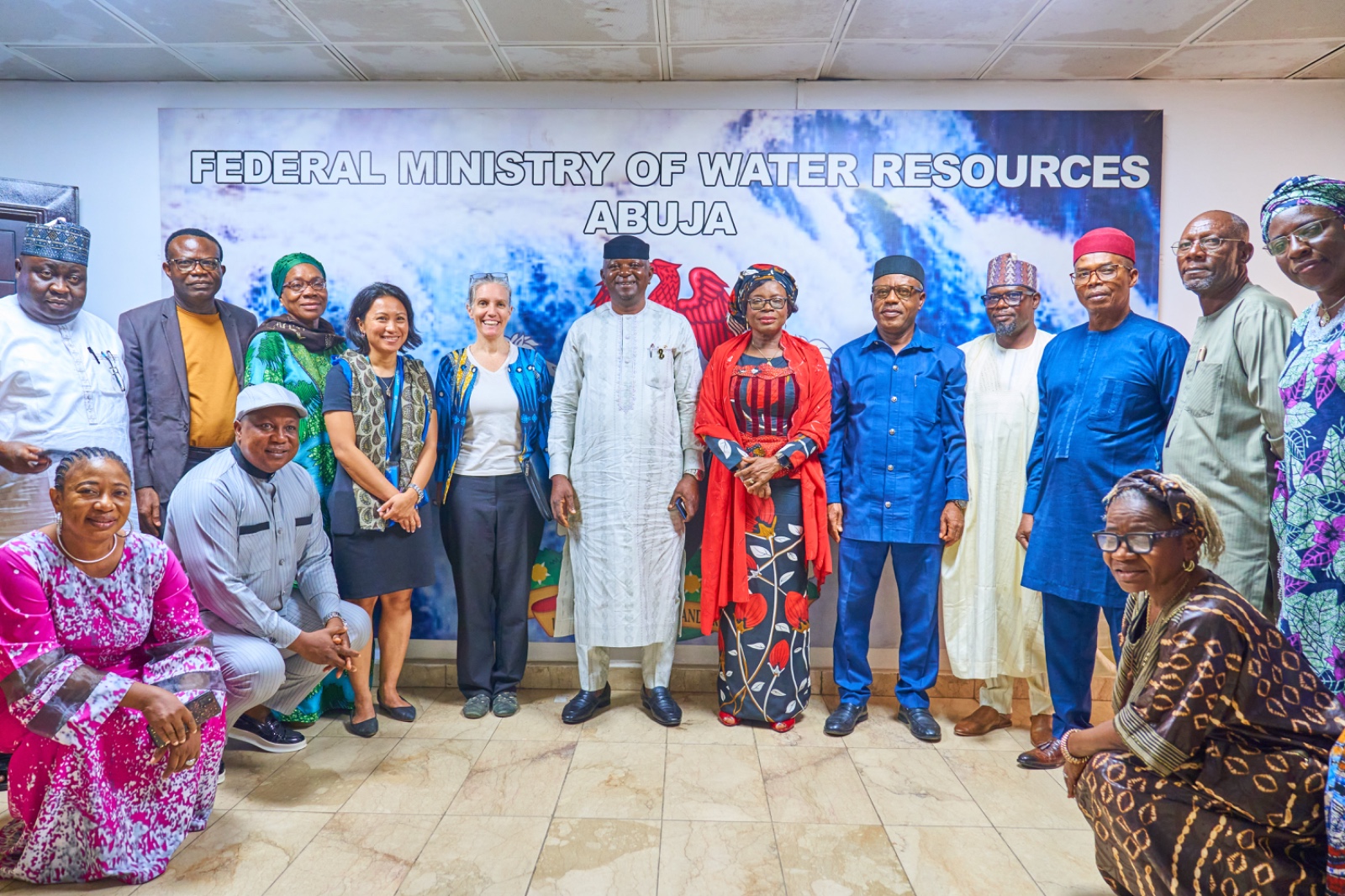
This was the outcome of a high-level meeting in Abuja between the Minister of Water Resources and Sanitation, Joseph Terlumun Utsev, and the newly appointed UNICEF Nigeria Chief of WASH, Emily Rand, alongside other senior officials.
The engagement highlighted renewed commitment by both parties to expand access to inclusive and climate-resilient WASH services, critical to improving public health and sustainable water resource management in the country.
Speaking during the meeting, Utsev commended UNICEF for its longstanding contributions to Nigeria’s WASH sector, noting that while progress has been made, sustainability remains a major challenge. He stressed the need for coordinated and deliberate actions to ensure long-term success of interventions.
The Minister disclosed that the Ministry would intensify direct engagement with UNICEF through regular collaboration to improve programme design, implementation, and sustainability outcomes. He added that efforts were underway to harmonise existing initiatives, identify gaps, and prioritise areas requiring urgent support.
“We are committed to building a results-driven partnership that delivers measurable improvements in water supply, sanitation, and hygiene services nationwide,” he said.
Permanent Secretary of the Ministry, Emanso Okop Umobong, also reaffirmed the government’s commitment to strengthening ties with UNICEF, describing the organisation as a reliable partner with a long history of impactful interventions in Nigeria.
In her remarks, Rand reiterated UNICEF’s commitment to supporting Nigeria through result-based programming, emphasizing that impactful initiatives would continue to attract funding and technical backing. She pointed to opportunities in climate financing as a key pathway to expanding WASH access, particularly for vulnerable populations.
Similarly, UNICEF WASH Manager, Jolly Ann Maulit, noted that several of the Ministry’s priorities—including water quality monitoring, WASH information systems, public-private partnerships, and sustainability programmes—are already aligned with UNICEF’s strategic plans.
She also underscored ongoing efforts to strengthen Open Defecation Free (ODF) sustainability, improve data-driven planning, and scale up climate-resilient WASH approaches nationwide.
READ ALSO: FG, Ohanaeze Ban Eze Ndigbo Titles Abroad, Cite Rising Diplomatic Tensions
NIS Suspends Comptrollers Over Alleged Extortion in Seme Border
The meeting featured presentations from directors and agencies within the Ministry, who outlined key programmes, achievements, and areas requiring technical support and collaboration.
Both parties reaffirmed their commitment to sustained partnership, resource mobilisation, and innovative strategies aimed at transforming Nigeria’s WASH sector and accelerating progress toward the SDGs.
About The Author