By Fatima Saka
Abuja, Nigeria 6 — The Federal Government has declared that Nigeria must urgently transition from fragmented digital health pilot projects to fully scaled, nationally integrated systems, with an estimated investment of N500 billion required over the next five years.
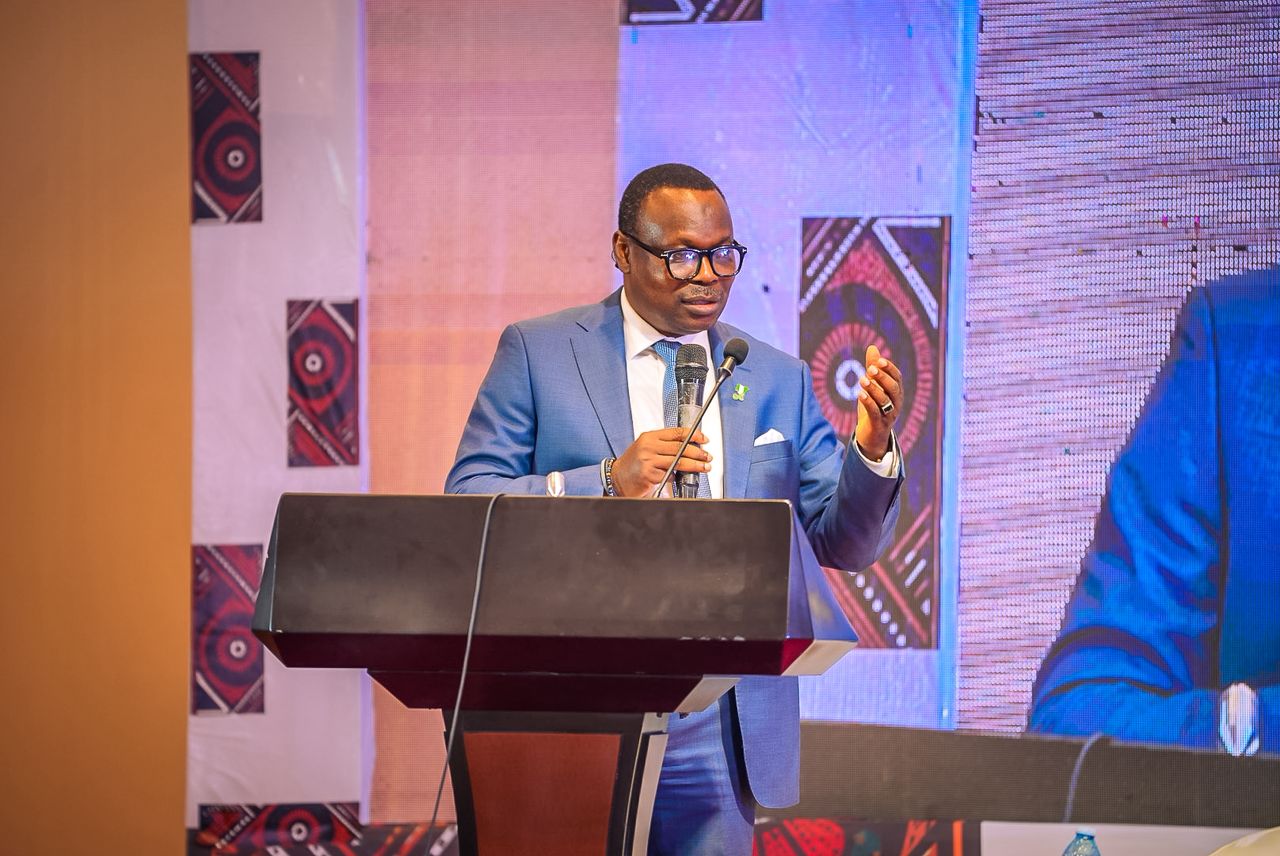
Minister of State for Health and Social Welfare, Dr. Iziaq Adekunle Salako, made this known on Thursday at the opening of the 6th Africa Digital Health Summit (ADHS 2026) held in Abuja, where he emphasized that the era of isolated pilot initiatives must give way to sustainable, country-owned digital health solutions.
Speaking on the summit’s theme, “From Pilot to Scale: Growing Africa’s Digital Health Innovation Ecosystem,” Salako said that while Africa, including Nigeria, has recorded numerous digital health innovations over the past decade, many remain donor-dependent, fragmented, and limited in reach.
“The question is no longer whether digital health works—we know it works. The real challenge is how to scale these solutions to achieve national impact and reach every citizen,” he stated.
Salako highlighted Nigeria’s progress, noting that digital health has been positioned as a key driver under President Bola Ahmed Tinubu’s Renewed Hope Agenda and the Health Sector Renewal Investment Initiative.
He disclosed that the National Digital Health Architecture (NDHA), endorsed by all states and the Federal Capital Territory in 2025, now provides a unified framework for health data systems, including patient registries, health worker databases, and standardized medical coding systems.
According to him, Nigeria has already recorded a 74.5 percent adoption rate of Electronic Medical Records across its 79 federal tertiary hospitals, while digital tools such as the Open Logistics Management Information System have improved vaccine tracking nationwide, reducing stockouts and expiries.
Despite these gains, the minister identified major barriers to scaling digital health, including poor infrastructure, fragmented data systems, limited skilled workforce, and overdependence on donor funding.
He revealed that 43 percent of primary healthcare centres in Nigeria lack electricity, while about 60 percent of rural facilities have no internet connectivity, significantly hindering digital health expansion.
“Without reliable power and connectivity, digital health cannot reach the populations that need it most,” he warned.
Salako also raised concerns over the lack of interoperability among existing health information systems, noting that multiple platforms currently operate in silos, preventing seamless data exchange and coordinated patient care.
To address funding challenges, the minister proposed leveraging Nigeria’s pension funds to invest in digital healthcare infrastructure, arguing that such investments would not only strengthen universal health coverage but also yield sustainable financial returns.
“We need innovative financing mechanisms. Investing pension funds in digital health will secure better healthcare for Nigerians, especially retirees, while generating returns through expanded health insurance coverage,” he said.
He called on stakeholders—including state governments, development partners, and the private sector—to align investments with the National Digital Health Architecture, support state-level implementation, and prioritize infrastructure and capacity building.
Salako further urged lawmakers to expedite the passage of the Digital Health Services Bill, which seeks to establish a comprehensive legal and regulatory framework for the sector.
He reaffirmed Nigeria’s leadership role on the continent, noting its position as co-chair of the HealthTech Hub Africa Intergovernmental Working Group.
READ ALSO: FG, Hydrogeologists Partner on Nationwide Groundwater Mapping for Sustainable Development
FG Reaffirms Commitment to Chemical Safety, Strengthens Emergency Preparedness Framework
“The transition from pilot to scale is not just a technical process—it is an act of national will,” he added.
The minister officially declared the summit open, expressing optimism that deliberations would drive Africa’s digital health transformation from fragmented initiatives to integrated, impactful systems.
About The Author