
By Fatima Saka
The Federal Government has set a target to reduce malaria prevalence and malaria-related deaths by 50 per cent by 2030, urging state governments to increase funding and tailor interventions to areas with the highest disease burden.
The government said the target would be measured against 2025 levels, following a decline in malaria parasite prevalence among children aged six to 59 months from 22 per cent in 2021 to 15.2 per cent in 2025.
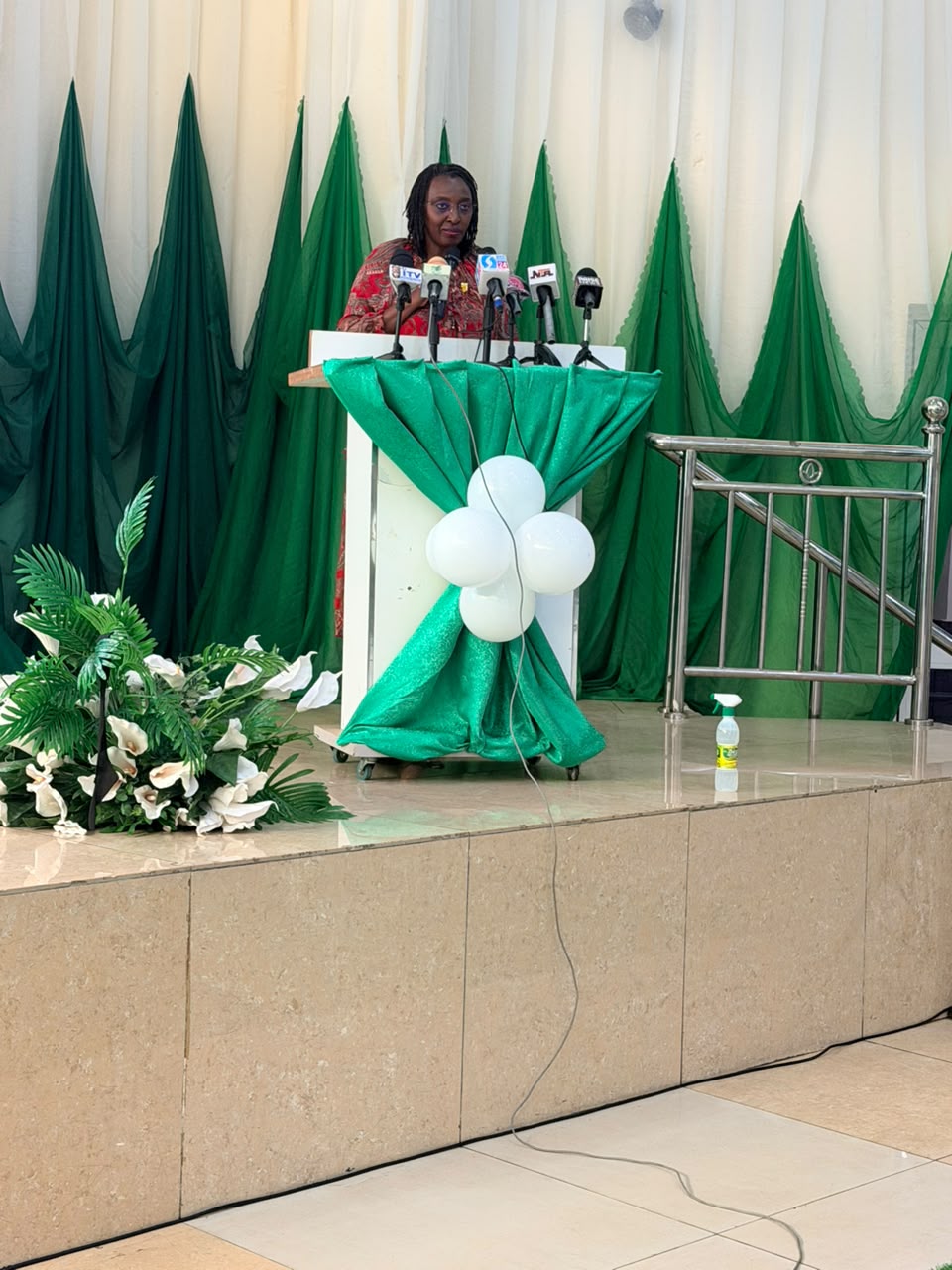
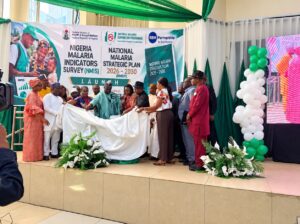
The Coordinating Minister of Health and Social Welfare, Prof. Muhammad Ali Pate, disclosed this on Thursday in Abuja at the launch of the 2025 Nigeria Malaria Indicator Survey (NMIS) Report and the National Malaria Strategic Plan 2026–2030. He was represented by the Permanent Secretary of the ministry, Daju Kachollom S. mni.
Pate described the decline as evidence of progress in the country’s malaria response but warned that the improvement should not be mistaken for the elimination of the disease.
He cited Kebbi State as an example of progress, noting that malaria prevalence there dropped from 49 per cent in 2021 to 18 per cent in 2025.
The minister, however, stressed the need to sustain interventions and improve access to preventive measures to achieve the government’s 2030 target.
According to him, the survey also revealed gaps in the consistent use of insecticide-treated nets, with 72.3 per cent of children and 80.6 per cent of pregnant women in households that owned the nets sleeping under them.
He said improving the regular use of these nets remained essential to reducing malaria infections, particularly among children and pregnant women, who are among the groups most vulnerable to the disease.
Pate explained that the National Malaria Strategic Plan 2026–2030 was aligned with the Nigeria Health Sector Renewal Investment Initiative and would be implemented through the Sector-Wide Approach, guided by the principle of “One Plan, One Budget, One Report, One Conversation.”
He added that the plan’s Sub-National Tailoring approach would ensure that malaria interventions were directed towards areas with the highest burden, using local epidemiological evidence to guide decisions on resource allocation.
The minister called on state governments to take ownership of findings from the malaria survey, align their plans and budgets with identified needs, and ensure timely release of funds for implementation.
He also urged development partners to align their financial investments and technical assistance with national priorities to strengthen the country’s malaria control efforts.
Earlier, the Director-General of the National Population Commission, Dr. Abuh Muhammed, said the survey demonstrated the importance of collaboration between the National Malaria Elimination Programme and the commission in generating reliable data for public health planning.
Muhammed explained that the partnership combined the technical expertise of the malaria programme with the commission’s survey infrastructure and field operations to produce evidence that could guide interventions.
READ ALSO: NUJ Demands Probe of Police Conduct in Farida Isiak’s Case
Ebola Patient Shows Signs of Recovery – Says FG, Intensifies Contact Tracing
He reaffirmed the commission’s commitment to evidence-based planning and urged policymakers and development partners to use the findings to direct resources towards communities and populations with the greatest need.
The Federal Government reaffirmed its commitment to strengthening domestic financing, improving malaria surveillance and sustaining coordinated efforts among stakeholders to reduce infections and deaths nationwide.
About The Author



1 thought on “FG Targets 50% Reduction in Malaria Deaths by 2030”