……… Warns Politicians Against Politicising Public Health
By Fatima Saka
The Federal Government of Nigeria has intensified efforts to contain the Ebola virus disease outbreak, confirming that the infected patient is showing significant signs of improvement while high-risk contacts have been placed in quarantine.
The government also warned politicians against exploiting the public health situation for political gains, stressing that the outbreak should be treated as a national health concern rather than a subject of partisan controversy.
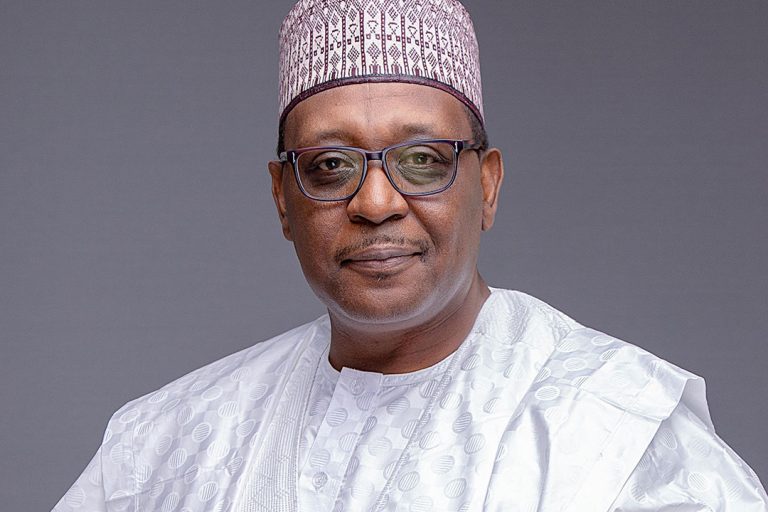
The Coordinating Minister of Health and Social Welfare, Prof. Muhammad Ali Pate, disclosed this on Thursday during a media briefing, saying the patient’s latest laboratory results indicated significant progress towards recovery.
Pate said the patient, whose infection was linked to international travel, arrived in Nigeria without symptoms but developed them a few days later.
He said health authorities immediately commenced contact tracing following confirmation of the case, identifying contacts at the hospital, a private clinic and within the patient’s domestic environment.
According to him, the contacts have been categorised according to their risk levels, with high-risk individuals placed in a designated quarantine facility, while others have been isolated under established public health guidelines.
The minister, however, cautioned that the patient’s improving condition did not mean the government could relax its efforts, stressing that all necessary measures were being taken to prevent further transmission.
He said the Nigeria Centre for Disease Control and Prevention (NCDC) was coordinating the operational response in collaboration with the Federal Capital Territory (FCT) authorities and other relevant agencies.
Pate explained that the government had activated its incident management system and mobilised additional resources to strengthen the national response.
He added that President Bola Tinubu had released additional funding to the NCDC to support containment efforts, while the government was working closely with state authorities to ensure effective preparedness across the country.
The minister said the Federal Government had briefed the Presidential Task Force, the Nigeria Governors’ Forum and the National Economic Council, chaired by Vice-President Kashim Shettima, on the evolving situation.
He disclosed that all state governments had been informed of the outbreak, adding that states yet to complete their Ebola response plans had been directed to do so urgently.
Pate said the government was also strengthening collaboration with international partners, including the World Health Organisation (WHO) and the Africa Centres for Disease Control and Prevention (Africa CDC), to ensure a coordinated response.
He noted that Nigerian experts were working to conduct further genomic analysis of the virus to improve understanding of the strain involved, with Professor Christian Happi of Redeemer’s University expected to complement the work of the NCDC.
The minister assured Nigerians that the country had the technical capacity to manage the outbreak, noting that public health authorities diagnosed and confirmed the case within 24 hours of being notified and subsequently informed the WHO.
He urged Nigerians to remain calm but vigilant, warning against the spread of misinformation and unverified claims about the outbreak.
According to him, Ebola is not an airborne disease but is transmitted through direct contact with the bodily fluids of an infected person or contaminated materials.
He advised anyone experiencing symptoms such as fever, headache and muscle aches, particularly those with a relevant travel history, to isolate themselves promptly and notify public health authorities.
Pate also urged people identified through contact tracing to comply strictly with isolation and quarantine instructions, while calling on healthcare workers and private medical facilities to observe infection prevention and control measures.
He said the government had directed federal hospitals to strengthen isolation facilities, ensure adequate bed capacity and equip health workers to manage suspected cases safely.
The minister further disclosed that the government was strengthening screening and surveillance at the country’s points of entry, including ensuring that thermal imaging equipment remained functional and that traveller risk assessments reflected the epidemiological situation in affected countries.
On public gatherings, Pate said the government had not recommended the cancellation of conferences or major events because the available evidence did not currently warrant such a measure.
He, however, warned that the position could change if investigations revealed further transmission, adding that future decisions would be guided by scientific evidence and expert advice.
The minister also warned political leaders against politicising the outbreak, describing public health as a common concern that transcends political, religious and ethnic differences.
He expressed concern over attempts by political actors to turn the outbreak into a subject of partisan debate, insisting that decisions on public health must be based on scientific evidence, expert advice and the best interests of Nigerians.
Pate said health challenges should unite Nigerians rather than divide them along political, ethnic or religious lines, urging leaders to demonstrate responsibility by supporting efforts to contain the disease and protect lives.
He also urged the media and social media users to rely on verified information from the NCDC, the Federal Ministry of Health and recognised international health organisations, warning that misinformation could undermine public confidence and jeopardise containment efforts.
READ ALSO: Ebola Outbreaks: Africa CDC, Nigeria Drive for 2m Community Health Workers
NUC Violations: Senate Moves to Investigate Tansian University in Anambra State
Pate said the government would continue to provide regular updates as investigations progressed, adding that the immediate priority was to prevent the confirmed case from spreading into the wider community.
He expressed confidence that Nigeria could contain the outbreak, drawing on the country’s previous experience managing Ebola, while stressing that public cooperation remained essential to the success of the response.
About The Author