The Federal Government has pledged to integrate evidence-based self-care into Nigeria’s healthcare system, particularly at the primary healthcare level, as part of efforts to improve health outcomes, reduce overcrowding in hospitals and advance Universal Health Coverage.
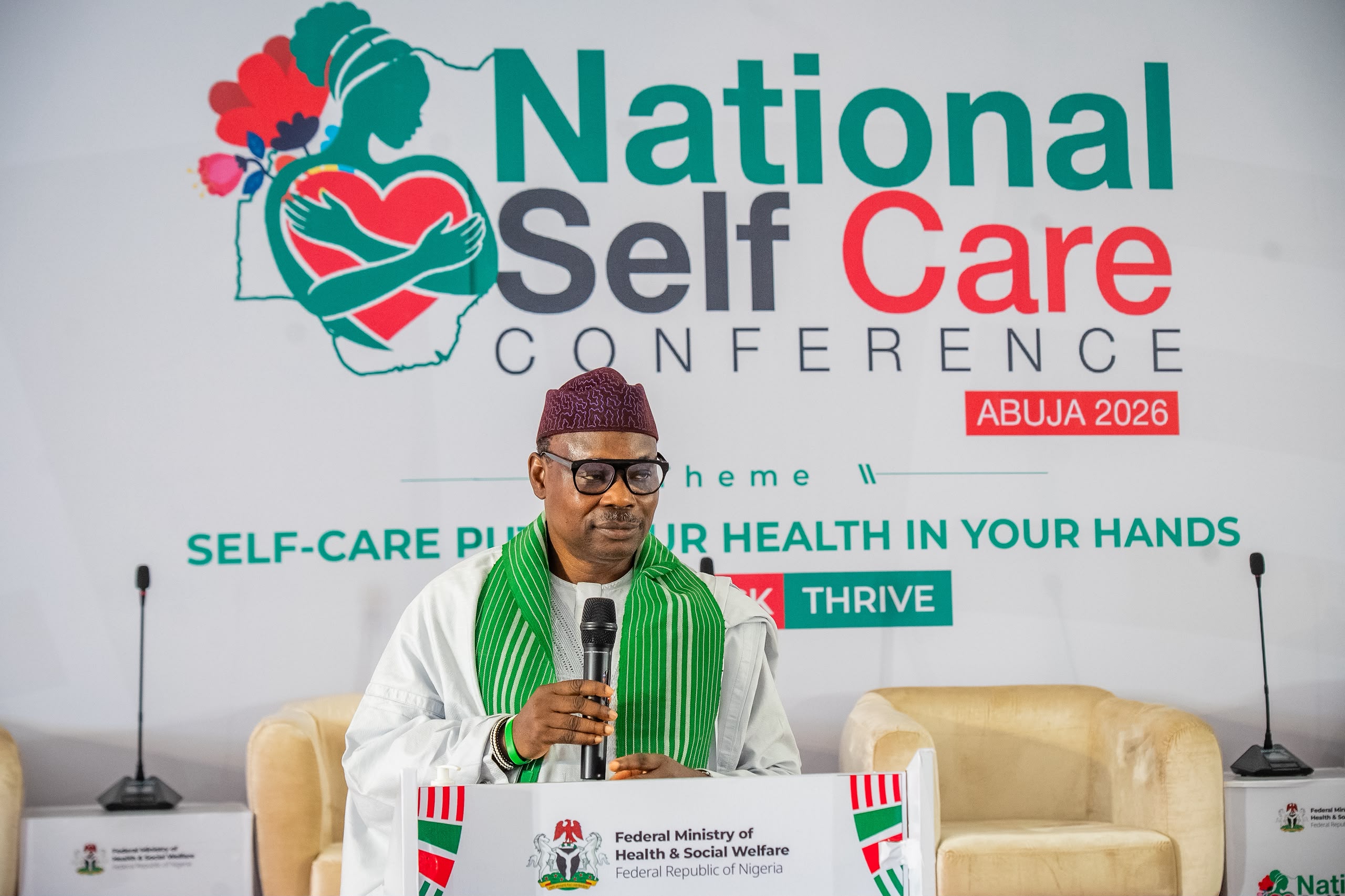
The Minister of State for Health and Social Welfare, Dr Iziaq Adekunle Salako, gave the assurance on Wednesday at the inaugural Nigeria National Self-Care Conference held at the Nigerian Army Conference Centre and Suites, Abuja.
Salako said the Federal Ministry of Health and Social Welfare would promote self-care through supportive policies, public education, regulation of self-care products and the integration of appropriate self-care tools into healthcare delivery.
He explained that self-care empowers individuals to take an active role in protecting their health through healthy living, disease prevention, appropriate self-testing and responsible management of their well-being.
According to him, self-care extends healthcare beyond hospitals and clinics to homes, workplaces and communities, enabling people to make informed decisions about their health and seek professional assistance when necessary.
The minister, however, stressed that self-care was not a replacement for professional medical services or an excuse for the government to abandon its responsibility to provide accessible, affordable and quality healthcare.
He said the government would continue investing in health facilities, skilled personnel, essential medicines and functional referral systems to ensure Nigerians could access professional medical attention whenever required.
Salako noted that evidence-based self-care could strengthen primary healthcare, improve maternal and reproductive health, support the management of non-communicable diseases, promote mental well-being and extend health information to underserved communities.
He added that the approach could help Nigerians identify health risks early and prevent complications associated with conditions such as hypertension and diabetes, which could progress without obvious symptoms.
The minister urged Nigerians to embrace the conference theme, “Self-Care Puts Your Health in Your Hands: Test. Track. Thrive,” describing the three action words as a practical framework for improving individual and community health.
He explained that testing would help people understand their health status, tracking would encourage consistent monitoring of health indicators and adherence to treatment, while thriving would promote healthier lifestyles, mental well-being and productive living.
Salako also called on Nigerians to observe personal hygiene and other preventive measures to support efforts to contain the Ebola Virus Disease following the report of an imported case in the country.
He specifically urged the public to practise proper hand hygiene, disinfect appropriately and cooperate with public health officials to prevent further transmission.
The minister further called on state governments to incorporate evidence-based self-care into their health policies and programmes, while urging healthcare professionals to guide individuals on the safe use of self-care interventions.
He urged development partners to support sustainable financing, technical assistance and capacity development, while researchers and academic institutions were encouraged to generate local evidence to guide policies.
Salako also called on private-sector partners to prioritise the quality and affordability of self-care products and urged traditional and religious leaders, civil society organisations and the media to promote accurate health information.
He said digital communication and artificial intelligence could be harnessed to expand access to self-care information and applications, noting that Nigeria’s more than 195 million active mobile telephone subscriptions presented an opportunity to take health information closer to the people.
The minister, however, emphasised the need to protect Nigerians from misinformation and unsafe practices while ensuring that access to self-care was not determined by income, disability, gender or geographical location.
He called on participating states and partners to establish clear implementation priorities, measurable targets and accountability mechanisms to ensure that the conference produced practical improvements in healthcare delivery.
READ ALSO: Ebola: NEMA Urges Nigerians to Cooperate With Contact Tracing Teams
80m Nigerian’s Children Face Lead Exposure: FG, Stakeholders Move to Eliminate Lead Poisoning
Salako also commended the National Self-Care Coordination Committee for convening the conference and expressed appreciation for his appointment as a National Self-Care Ambassador.
He said the success of the initiative would depend on collective action by governments, healthcare professionals, development partners, researchers, private-sector organisations and communities to ensure that self-care was safe, affordable, accessible and inclusive.
About The Author