The Lagos State Government has urged private school operators to adopt the Nigeria Learning Passport (NLP) to enhance teaching quality, improve learning outcomes, and expand access to digital education across the state.
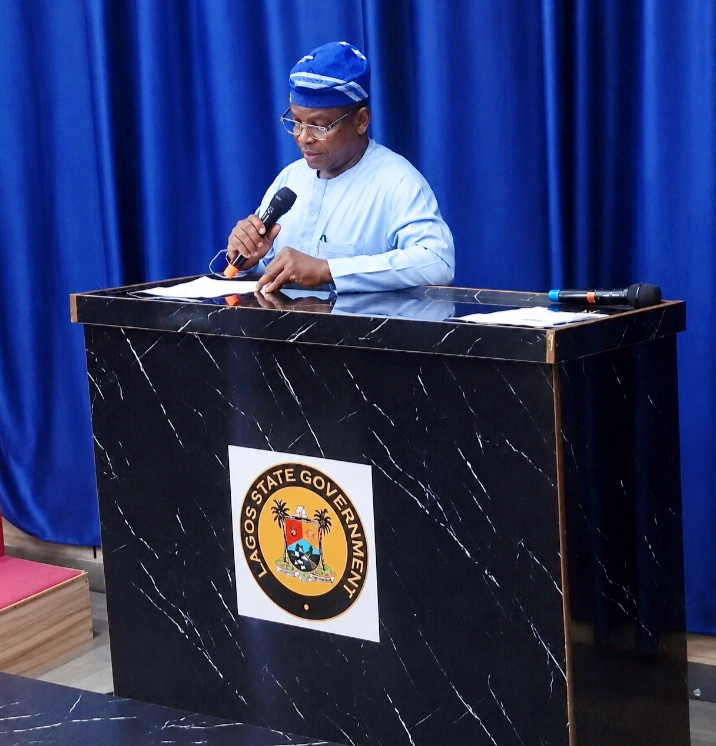
The Commissioner for Basic and Secondary Education, Mr. Jamiu Alli-Balogun, made the call on Wednesday during an NLP sensitisation and monitoring programme held in Ojodu. The event was organised by the state government in collaboration with the United Nations Children’s Fund (UNICEF).
Alli-Balogun emphasised that the integration of digital learning platforms such as NLP had become essential in modern education, particularly in the face of recent disruptions that highlighted the need for flexible and technology-driven learning systems.
According to him, private schools account for over 60 per cent of learners in Lagos, making their participation critical to achieving inclusive and transformative education.
“Private school partners are indispensable to our education agenda because they serve a significant proportion of learners and contribute greatly to educational development,” he said. “We must move beyond awareness to practical implementation, ensuring that digital learning becomes an integral part of classroom teaching and school management.”
The commissioner noted that the NLP, an online e-learning platform with mobile and offline capabilities, provides free access to more than 20,000 curriculum-aligned resources, including videos, audio materials, simulations, and games.
He added that Lagos currently leads in the use of the platform nationwide, with over 200,000 users across public schools, earning recognition as Nigeria’s best-performing state in NLP implementation.
Alli-Balogun also urged school proprietors to prioritise regular teacher training, monitor student engagement using data tools, and appoint NLP champions to drive effective integration of digital learning in schools.
“We are committed to working with schools to overcome challenges and ensure that every child, regardless of school type, accesses quality education,” he said.
Speaking at the event, UNICEF representative Mr. Yusuf Usman highlighted persistent challenges in rural education, including poor infrastructure and seasonal disruptions that hinder access to learning.
He explained that the NLP addresses these gaps by enabling continuous education regardless of location, while also equipping learners with 21st-century skills such as digital literacy, entrepreneurship, and artificial intelligence.
Usman described the initiative as highly successful in Lagos and called for its wider adoption across schools. He noted that the platform is accessible via nlp.edu.gov.ng for easy registration.
Also speaking, the Chairman of the Lagos State Parents Forum, Mr. Ganiyu Olatunosun, urged parents to actively support and monitor their children’s use of the platform.
Nigeria Losing Trillions to Transport Inefficiencies, CILT Calls for Urgent Integrated Reforms
“As parents, we must encourage our children to embrace and properly utilise this platform, as it is a key part of education in today’s digital age,” he said.
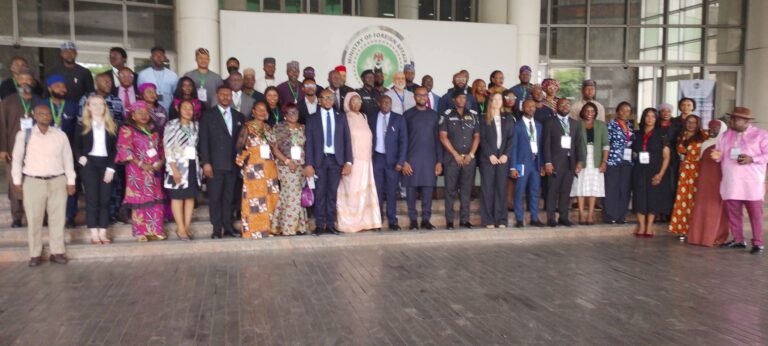
The programme attracted key stakeholders in the education sector, including teachers and private school owners.
About The Author