By Fatima Saka
United Nations Climate Change Executive Secretary, Simon Stiell, has called for accelerated global investment in electrification and clean energy, saying the transition is critical to reducing energy costs, cutting greenhouse gas emissions and addressing inequalities in access to electricity.
Stiell made the call on Wednesday at the Global Climate Action Agenda High-Level Event at the 31st United Nations Climate Change Conference (COP31) in Antalya, Türkiye, where a new electrification delivery package outlining major investments in power infrastructure, renewable energy and transportation was unveiled.
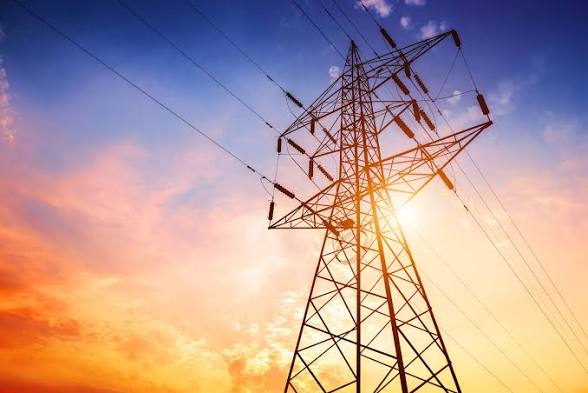
He disclosed that members of the Utilities for Net Zero Alliance (UNEZA) had announced combined annual investment plans of at least $156 billion in electricity grids, renewable energy and storage.
According to him, the investment represents a five per cent increase from the previous year and a 35 per cent rise compared with 2024, while more than 21,000 kilometres of new electricity grids were deployed in 2025.
Describing electrification as a major driver of climate action, Stiell said it would improve energy efficiency, reduce pollution and tackle persistent inequalities in energy access.
“Electrification is a huge efficiency booster, helping bring down greenhouse gas pollution and energy costs, and tackle grave injustices in energy access,” he said.
The COP31 Electrification Delivery Package, released by UN Climate Change, the Climate High-Level Champions and partners under the Global Climate Action Agenda, outlines actions and progress across electricity, grids, transport, buildings and industry.
The package also highlights progress in developing 13 zero-emission freight corridors across six continents, covering more than 29,000 kilometres of roads.
Stiell said the outcomes demonstrated how global climate commitments were increasingly translating into investments, infrastructure and practical benefits for communities.
He described the progress recorded at COP31 as a turning point in global climate efforts, stressing that the benefits extended beyond environmental protection to include affordable energy, cleaner air and improved public health.
“Today is a lightbulb moment for our global climate push. Bringing vast benefits to people everywhere, from cheaper energy costs to cleaner air and better health,” he said.
Beyond the energy sector, Stiell highlighted progress in regenerative agriculture, noting that programmes now cover 66 million hectares across 116 countries, supported by nearly $2.3 billion deployed for implementation.
He also disclosed that the Tropical Forest Forever Facility had secured just under $500 million in new commitments, bringing its total capitalisation to more than $8 billion.
On waste management, he said 20 districts across Africa, Asia, Latin America and the Caribbean were piloting local initiatives focused on waste reduction, reuse, repair and recycling under the Istanbul Zero Waste Action Platform.
The UN climate chief, however, warned that the progress recorded would remain insufficient unless climate action was accelerated and expanded to reach vulnerable communities and developing countries.
He called for affordable climate finance and technology for developing nations, while emphasising the need to involve workers and communities in shaping the transition to cleaner economies.
Stiell also urged countries to ensure that all regions benefited from the Global Climate Action Agenda, noting that some developing countries continued to face difficulties participating fully in its opportunities.
He invited countries to voluntarily nominate focal points to the UN Climate Change Secretariat to improve access to climate action opportunities throughout the year.
He further disclosed that UN Climate Change was working with organisers of other Climate Weeks to strengthen collective climate action between successive COP conferences.
READ ALSO: Open Defecation: FG Unveils New Order, Targets 2030 Deadline
COP31: Nigeria Moves to Adopt Sustainable Procurement Framework for Climate Action in Türkiye
“The speed and fairness of both global shifts depend on what we do next,” Stiell said, urging governments and stakeholders to move faster in scaling up climate solutions.
He added that the global community must ensure that the benefits of climate action reach billions of people, rather than remain concentrated in a few countries and regions.
About The Author