By Fatima Saka
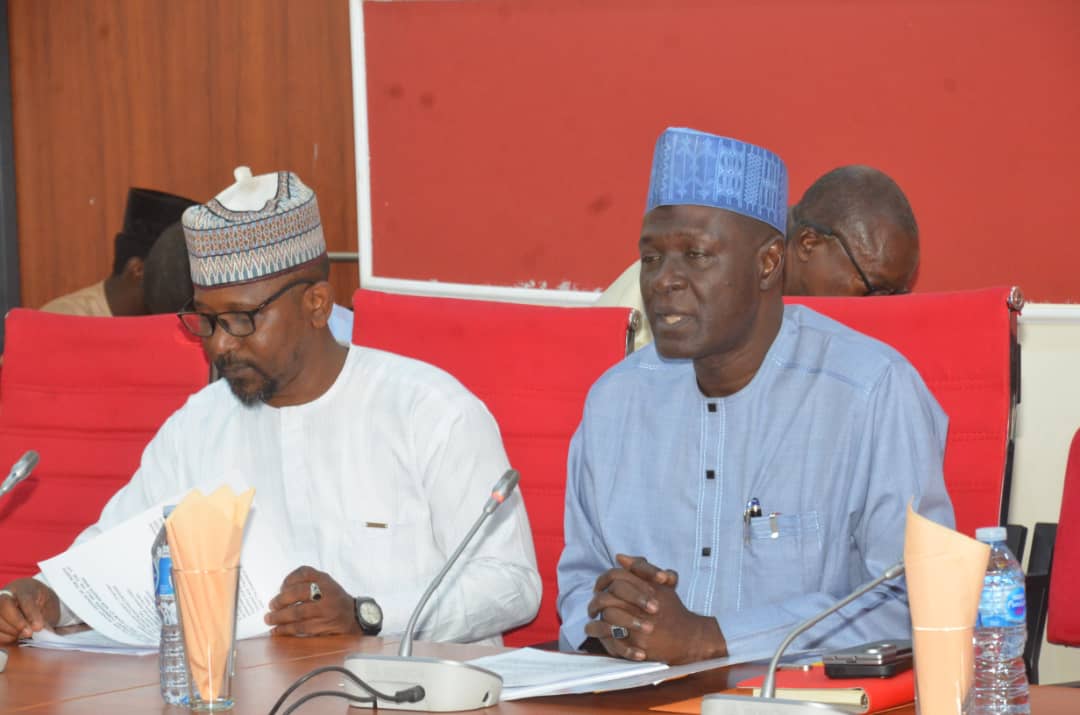
Zero releases of funds in the 2025 fiscal year stalled the operations of the North West Development Commission (NWDC), despite a ₦145 billion allocation, lawmakers revealed on Saturday during a budget defence session before the Senate Committee on Appropriation.
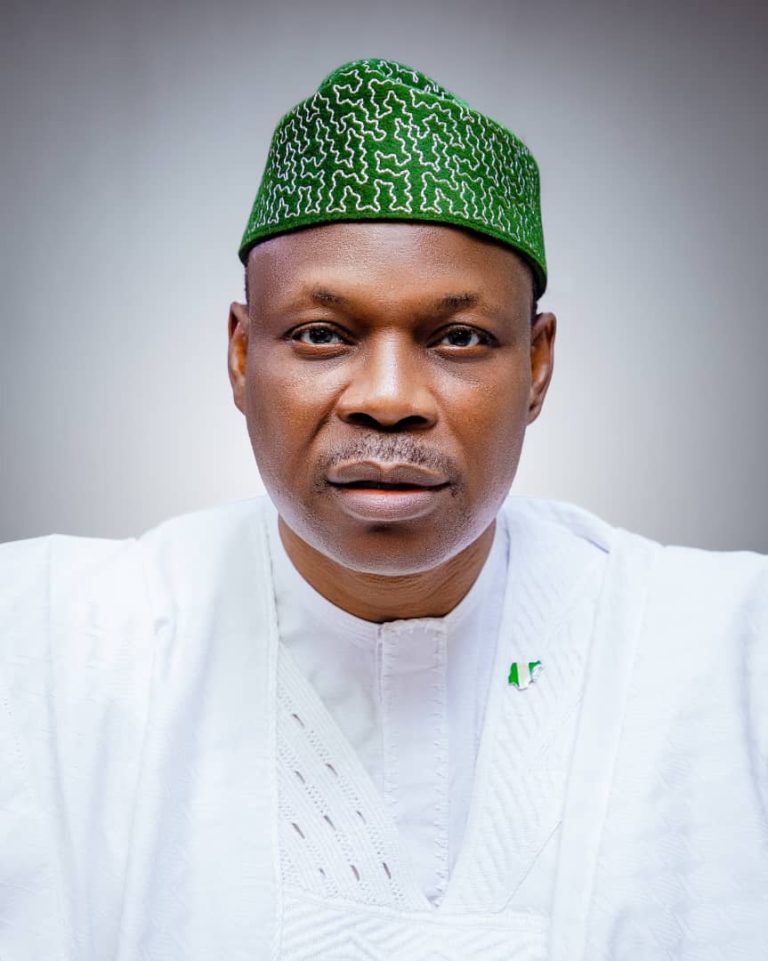
Chairman of the Senate Committee on the North West Development Commission, Babangida Hussaini, told the committee that the non-release of funds rendered the commission “practically redundant” throughout 2025, leaving it without implementation progress to report.
Hussaini presented the commission’s ₦145,606,921,515 proposed 2026 budget, structured to prioritise security, infrastructure, agriculture, education, and human capital development across the North-West zone.
The session was presided over by the Vice Chairman of the Senate Committee on Appropriation, Mohammed Tahir Monguno, who acknowledged the commission’s strategic focus but advised it to provide detailed justification for any request for additional funding.
Of the ₦145.6 billion proposed for 2026, 75 per cent (₦109.2 billion) is earmarked for capital projects, 20 per cent (₦29.1 billion) for overhead, and five per cent (₦7.28 billion) for personnel costs.
Security takes the largest share of capital expenditure at 27 per cent (₦29.48 billion), reflecting persistent challenges of banditry, displacement, and cross-border criminality affecting states in the region.
Agriculture follows with 15 per cent (₦16.38 billion), while infrastructure and education each receive 14 per cent (₦15.28 billion). Health, as well as youth and women empowerment, are allocated 11 per cent each (₦12.57 billion), environment and ecological remediation five per cent (₦5.46 billion), and solid minerals development three per cent (₦3.37 billion).
Hussaini noted that the North-West, comprising Kebbi, Sokoto, Zamfara, Katsina, Jigawa, Kano, and Kaduna states, faces multidimensional poverty, high numbers of out-of-school children, environmental degradation, and widespread insecurity.
Monguno commended the emphasis on youth and women empowerment and security, describing them as essential to stabilising communities and promoting inclusive growth. He, however, urged the commission to formally articulate areas requiring enhanced funding, noting that clearer projections would strengthen the committee’s position during appropriation deliberations.
Other senators called for a shift from envelope-based to priority-based budgeting to ensure that strategic national interventions such as regional development commissions receive adequate resources aligned with government priorities.
READ ALSO: FG Issues Urgent Advisory to Nigerians in Iran, Gulf States Over Escalating Military Tensions
Senate Appropriation Raises Alarm Over Zero Capital Releases, Warns of Economic Implications
Hussaini appealed for improved releases in 2026, stressing that visible project implementation would boost public confidence and attract support from development partners and private stakeholders.
However, the committee is expected to conclude deliberations and make recommendations as part of the ongoing review of the 2026 budget proposals.
About The Author