By Fatima Saka
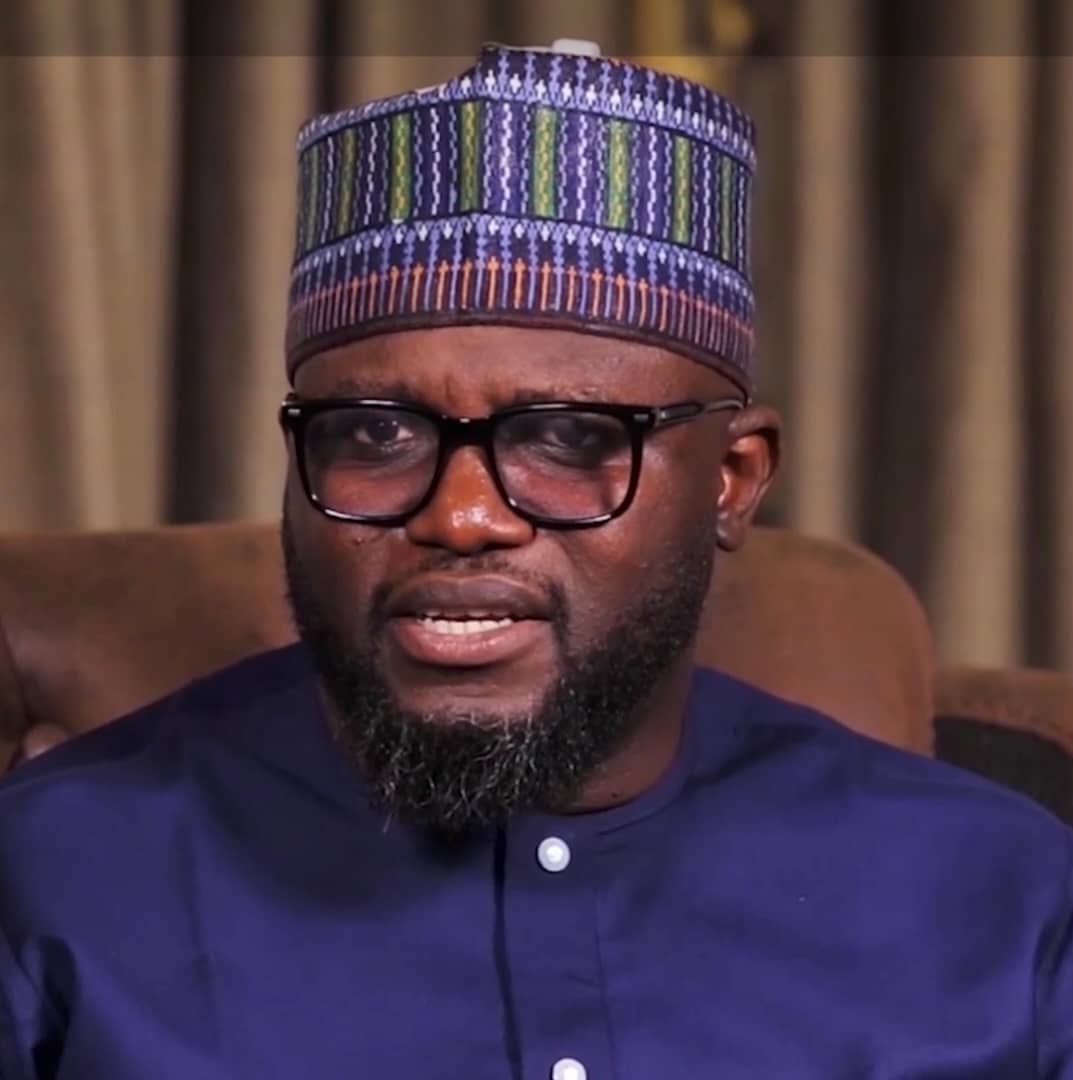
In an exclusive interview with Distinct News Nigeria, the National Programme Manager of the National Emergency Medical Services and Ambulance Service (NEMSAS), Dr.Doubra Emuren, highlighted the project’s mandate, achievements, emergency response system, and the critical role of the media in saving lives.
Brief introduction
Dr. Doubra Emuren is the National Programme Manager of National Emergency Medical Services and Ambulance Service (NEMSAS), tailored in Federal Ministry of Health and Social Welfare Nigeria, and a proud product of Igbinedion University Okada (IUO), leading emergency medical services in Nigeria.
Q: Tell us about NEMSAS, its mandate and achievements so far.
NEMSAS was established as the operational arm of the Emergency Medical Treatment Gateway (EMTG) under the Basic Healthcare Provision Fund (BHCPF), which is derived from the National Health Act signed into law in 2014 by former President Goodluck Jonathan.
Under the current administration of President Bola Ahmed Tinubu, we have significantly expanded operations by setting up emergency medical coordination structures across several states and the Federal Capital Territory.
We have also partnered with federal tertiary health institutions like the University of Benin Teaching Hospital and other specialist centres, which now serve as emergency referral facilities. These centres provide care for the poor and vulnerable at no cost for the first 48 hours.
In just two years, NEMSAS has covered the treatment costs of over 78,000 Nigerians. Notably, about 50–60% of these beneficiaries, roughly 47,000, are pregnant women. This reflects our strong commitment to reducing maternal mortality and addressing out-of-pocket health expenditure.
Q: How is NEMSAS strengthening emergency services across states?
We are working collaboratively with state governments to revamp emergency medical systems, especially in states that previously had some structures in place. We’ve conducted visits, assessments, and continuous engagements to ensure the development of robust Emergency Medical Services (EMS) systems nationwide.
Our approach is both regional and national, we are having ongoing conversations across the northern and southern parts of the country to ensure no one is left behind.
Q: The emergency number 112 is not widely known, especially in rural areas. How does it work?
Like every country, Nigeria has a universal emergency number 112. However, it is not managed by NEMSAS. It is operated by Emergency Communication Centres established by the Nigerian Communications Commission.
When a call is made to 112, trained operators assess the situation and dispatch the appropriate response agencies, including NEMSAS when necessary.
We acknowledge the current challenges with the system, including limited awareness and functionality. That’s why we are advocating for increased public awareness and improved infrastructure.
We also appeal to Nigerians to protect telecommunications infrastructure, as vandalism directly affects emergency response and can cost lives.
Q: What types of emergencies does NEMSAS respond to?
For pre-hospital care, ambulance services, we respond to all emergencies regardless of a person’s financial status, except psychiatric cases, which are handled by other agencies.
For hospital care, NEMSAS covers a wide range of emergencies, including:
Obstetric emergencies (especially for pregnant women)
Road traffic accidents
Gunshot and weapon-related injuries
Burns
Snakebites
Drowning incidents
Emergencies involving children under five
We provide funding for emergency treatment within the first 48 hours of care.
Q: Why is the funding limited to 48 hours?
Initially, the goal was stabilization, ensuring patients receive immediate, life-saving care upon arrival at the hospital.
However, due to limited resources, we must ensure equitable access for all Nigerians. The 48-hour window allows us to stabilize patients while giving families time to step in.
That said, in exceptional cases, such as patients without relatives or support, we extend coverage beyond 48 hours on a case-by-case basis.
Q: What happens to vulnerable patients without caregivers after the emergency phase?
Once a patient moves beyond the critical emergency phase, usually after 72 hours, we hand over responsibility to hospital management and social welfare units.
With the Ministry now expanded to include social welfare, there are ongoing efforts to develop more sustainable solutions for such vulnerable cases.
Q: How does NEMSAS operate in conflict or insurgency-prone areas?
Safety is critical. Our ambulances cannot operate in active conflict zones without clearance from security agencies.
For example, during a bomb blast in Maiduguri, NEMSAS transported 66 out of 118 victims to hospitals, including the University of Maiduguri Teaching Hospital.
We work closely with security agencies to ensure safe evacuation and timely medical response, even in high-risk environments.
Q: What role do you expect the media to play?
The media are custodians of public trust. We expect journalists to help drive awareness about our services and encourage Nigerians to use them.
We are also open to scrutiny. Investigative reporting helps us verify that resources are reaching real patients and not being misused.
READ ALSO: Flood Risk: NEMA Tasks Lagos Residents’on Precautionary Measures
Ultimately, collaboration with the media will help strengthen accountability and improve service delivery.
In conclusion, Dr. Emuren emphasized that timely emergency response, especially for maternal health, remains central to saving lives, urging Nigerians to embrace the 112 emergency system and support efforts to build a stronger national emergency care framework.
About The Author