Abuja, July 4, 2026 — The Federal Government has reaffirmed its commitment to eliminating cervical cancer by 2030, declaring that the target is achievable despite existing challenges in screening and treatment services.
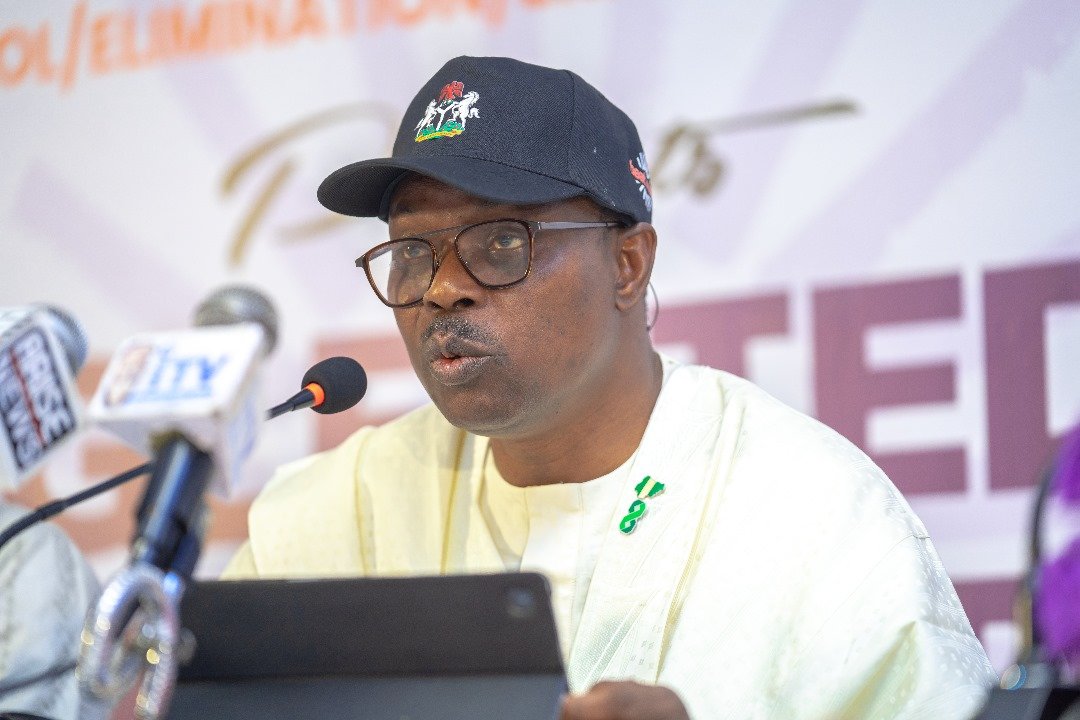
The Honourable Minister of State for Health and Social Welfare, Dr. Iziaq Adekunle Salako, made this known during his opening remarks at an international webinar titled “Accelerating Cervical Cancer Elimination towards 2030 Agenda: Myth or Reality?”, organised by the Nigerian Academy of Medicine in collaboration with the National Taskforce on Cervical Cancer Elimination.
Salako disclosed that Nigeria has made significant progress in prevention through its nationwide Human Papillomavirus (HPV) vaccination programme, which has reached over 17 million girls aged 9 to 14 since its introduction in 2023. He noted that the government is now focused on expanding coverage beyond 80 percent through intensified school-based and community outreach, particularly targeting out-of-school girls.
The minister, however, acknowledged that screening and treatment remain the weakest components of the country’s cervical cancer response. He said the government is prioritising the expansion of HPV-based screening at the primary healthcare level, strengthening referral systems, and scaling up the capacity of institutions such as the National Institute for Cancer Research and Treatment to improve diagnosis and care nationwide.
According to him, Nigeria records an estimated 13,676 new cervical cancer cases annually, with most diagnosed at advanced stages, making early detection and treatment critical to reducing mortality.
Salako explained that the government’s strategy aligns with the World Health Organization’s 90-70-90 targets on vaccination, screening, and treatment, and is supported by both domestic and international partnerships.
He cited contributions from the Renewed Hope Initiative led by First Lady Senator Oluremi Tinubu, as well as support from GAVI, UNICEF, the Global Financing Facility, and the Bill and Melinda Gates Foundation.
He further stated that the government is committed to increasing domestic funding for cancer prevention and control to ensure sustainability, stressing that reliance on external support must gradually reduce over time.
The minister also highlighted Nigeria’s growing global recognition in cervical cancer control, including its co-leadership in establishing World Cervical Cancer Elimination Day and its role in guiding other countries across Africa and the Commonwealth.
READ ALSO: Appeal Court Hijab Ruling a ‘Travesty of Justice’, MURIC Heads to Supreme Court
Nigeria Targets Global Capital with $350bn Green Economy Pitch
He urged stakeholders to move beyond discussions and commit to actionable steps that will ensure the elimination target becomes a reality for Nigerian women and girls.
Salako formally declared the webinar open, calling for strengthened collaboration among policymakers, clinicians, and global health partners to accelerate progress toward the 2030 goal.
About The Author