A U.S.-based Nigerian doctor has called on governments at all levels to urgently streamline emergency care services in Nigeria’s hospitals, warning that current delays in treatment are putting patients’ lives at risk.
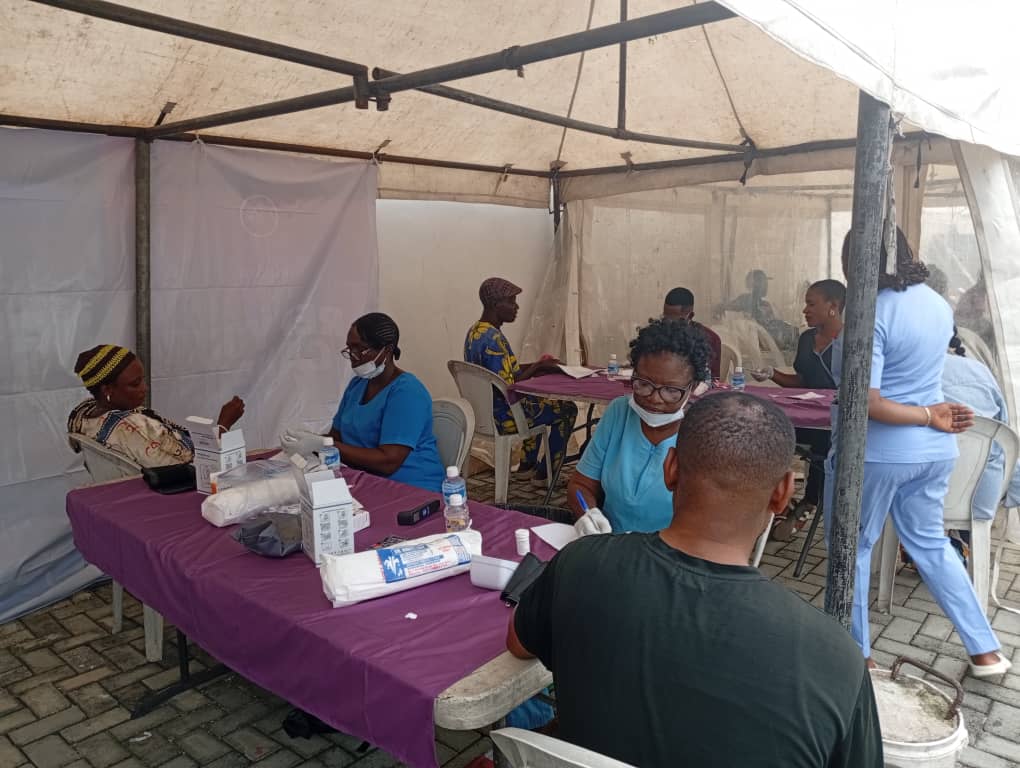
Dr. Erina Imasogie made the appeal during a medical outreach held on Saturday, stressing the need for immediate reforms to eliminate bureaucratic bottlenecks in emergency response across health facilities.
The outreach was organised by Erina Help and Care Foundation in collaboration with the Love of God in Christ (LOGIC) Church and Diamed Centre.
Imasogie decried a system where patients are often required to complete paperwork, secure referrals, or make payments before receiving critical care, describing the situation as life-threatening. She noted that delays caused by inadequate equipment, understaffed triage units, and administrative hurdles continue to hinder prompt medical attention.
Drawing comparisons with the United States healthcare system, she explained that emergency care there is accessible to everyone regardless of status or documentation.
“One of the things I appeal to the government is to ensure emergency care is made easy for patients to access medical services. In the U.S., you can walk into any emergency room and get treated without being turned away,” she said.
She expressed optimism that Nigeria’s healthcare system could evolve to a point where no patient would be denied urgent care, urging authorities to recognise the broader economic and social benefits of a healthy population.
“If you have a nation where people are sick, it will not strive, but when people are well, the opportunities are endless,” she added.
Imasogie further advocated for policies that prioritise immediate patient stabilisation and the adoption of standardised emergency protocols across all health facilities.
READ ALSO: 22 of 56 Students Score Above 300 in Whitesands School 2026 UTME
Doctor Warns Health Workers Against Neglecting Personal Health
She also called for guaranteed funding to support essential drugs, diagnostic tools, and adequate staffing in emergency units, noting that efficient emergency care is critical to reducing preventable deaths and restoring public confidence in the healthcare system.
The outreach provided free medical services, including consultations, malaria screening, blood pressure and sugar level checks, eye examinations, cervical and breast cancer screenings for women, as well as dental care.
About The Author