By Fatima Saka
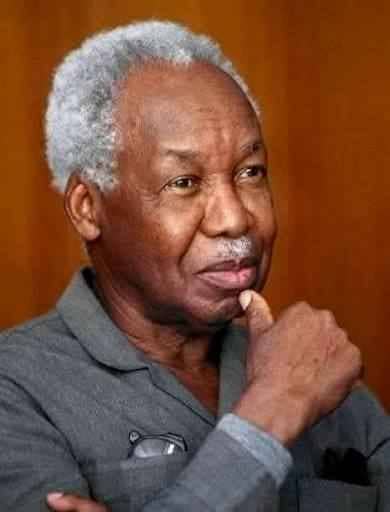
The Transformative Governance Forum (TGF) has commemorated the late Tanzanian leader, Julius Kambarage Nyerere, urging African leaders—particularly in Nigeria—to translate bold economic reforms into tangible improvements in citizens’ lives amid a shifting global order.
In a statement marking 27 years since Nyerere’s passing, the group described the former president as “the conscience of a continent,” whose ideals of self-reliance, unity, and people-focused governance remain critical for Africa’s development trajectory.
TGF acknowledged recent policy decisions by the administration of Bola Ahmed Tinubu, including fuel subsidy removal and exchange rate unification, describing them as “politically courageous” steps toward correcting structural imbalances in Nigeria’s economy.
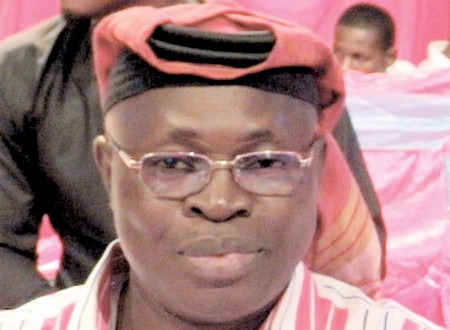
“President Tinubu has taken the first, most difficult steps that his predecessors flinched from for two decades,” said Sir Chris Chikwelu Jr, noting that such reforms align with Nyerere’s philosophy of prioritising long-term national interest over short-term popularity.
However, the group stressed that reforms must go beyond austerity measures to deliver visible social benefits. It called for accelerated investment in mass transit infrastructure, expansion of public goods, and targeted social interventions to cushion the impact of economic adjustments.
“The fuel subsidy is gone and the naira has found its true value, but Nigerians must begin to see the gains through affordable transportation, food security measures, and improved public services,” the statement said.
Drawing parallels with Nyerere’s policies in Tanzania—particularly the Arusha Declaration—TGF emphasised the importance of self-reliance and inclusive governance. It noted that Nyerere’s leadership demonstrated that national unity must be built through economic inclusion and shared prosperity rather than rhetoric.
The forum also highlighted the need for institutional reforms, urging the Nigerian government to strengthen anti-corruption systems, ensure transparency, and build structures that outlast individual leadership.
“Nyerere’s greatest legacy was not just his policies but the institutions he left behind. Leadership must be measured by the systems it builds, not just the decisions it makes,” the group stated.
Beyond Nigeria, TGF warned that Africa faces increasing pressure in a complex global environment marked by competing interests from major powers. It advised leaders on the continent to adopt strategic non-alignment, deepen regional integration, and prioritise domestic resource mobilisation to safeguard sovereignty.
The statement further called on African leaders to emulate Nyerere’s personal integrity, noting that moral credibility remains essential for public trust, especially during periods of economic hardship.
Addressing Nigerian youth, the forum encouraged greater civic engagement and innovation, urging them to take advantage of emerging policy opportunities while contributing to national development.
READ ALSO: Erratic Airstrike on Yobe Market: MURIC Demands Suspension of Military Officers, Independent Probe
Nigeria Open for Investment – Chairman NIDCOM Tells Diaspora, Global Investors in Silicon Valley
However, TGF said the legacy of Nyerere should serve not as a historical reference but as a benchmark for leadership across Africa.
“We remember Mwalimu not just as a leader of the past, but as a mirror for the present. Africa’s transformation depends on leaders who can match bold reforms with real improvements in the lives of their people,” the statement added.
About The Author