Abuja, Nigeria — The Nigeria Conservation Foundation (NCF), alongside government officials and private sector leaders, has called for urgent and stronger climate action, emphasizing the adoption of nature-based solutions to address Nigeria’s growing environmental challenges.
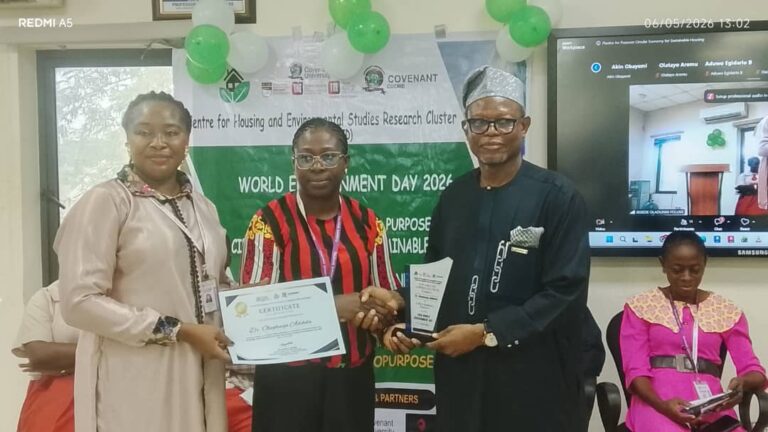
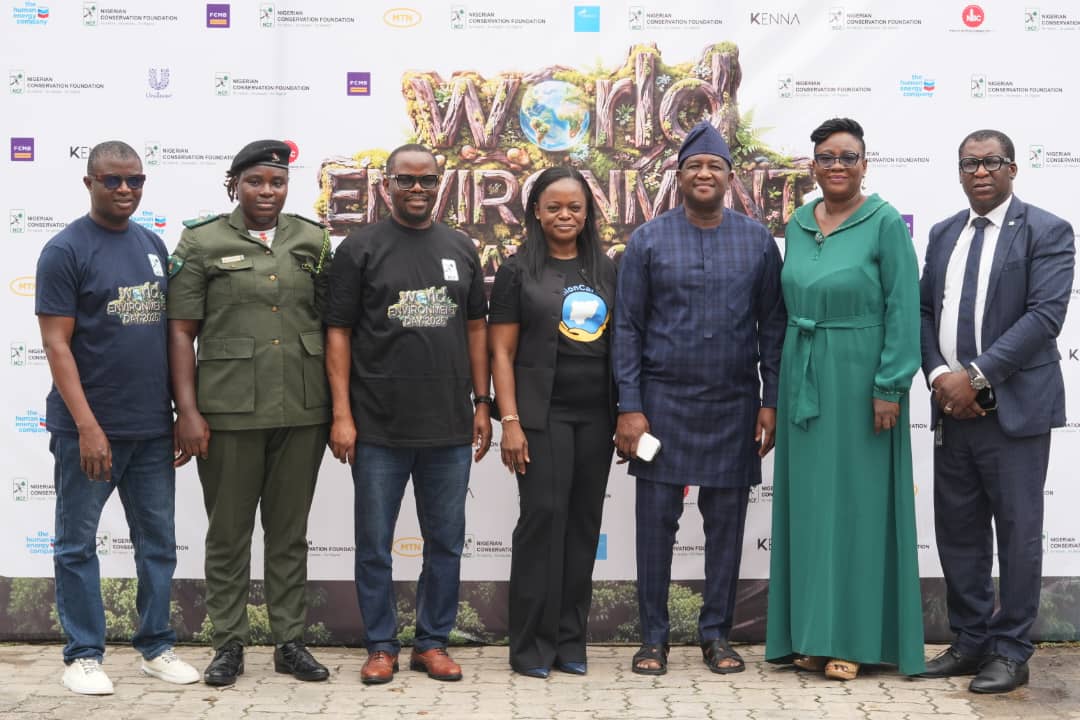
The call was made during activities marking the 2026 World Environment Day (WED), observed annually on June 5 to promote global environmental awareness and action.
Director-General of NCF, Dr. Joseph Onoja, urged Nigerians to draw inspiration from nature in tackling climate change and environmental degradation. He noted that natural systems offer practical models for innovation and sustainability.
Citing the peregrine falcon as an example, Onoja explained that the bird’s speed and hunting techniques have inspired technological advancements, underscoring nature’s relevance in solving human challenges.
“Nature has all the models we need to lead well on earth. We must learn from it and apply those lessons,” he said.
Onoja stressed that environmental conservation ultimately safeguards humanity, warning that while the earth can regenerate itself, human survival depends on maintaining a healthy ecosystem.
“If we do not take care of the earth, it may eventually restore itself by getting rid of us,” he cautioned.
He called on individuals and organisations to take practical steps toward climate protection, biodiversity conservation and sustainable development, while commending corporate partners including FCMB, Union Bank and MTN Nigeria for their support.
Also speaking, Mr. Diran Olojo, Divisional Head of Corporate Affairs at FCMB, emphasized the need for stronger collaboration among governments, businesses and citizens.
Describing climate change as an immediate threat, Olojo highlighted its impact on livelihoods, economic growth and communities, noting increasing cases of flooding, rising temperatures, water scarcity and energy insecurity.
He said sustainability must be integrated into business operations, investment decisions and policy frameworks, adding that environmental, social and governance (ESG) principles now guide FCMB’s lending and risk management processes.
Olojo disclosed that the bank has expanded support for climate-smart agriculture, renewable energy financing and financial inclusion initiatives to help households and businesses transition to cleaner energy.
Climate advocate Mr. Daze Nga also warned that climate change remains one of the most pressing global challenges, stressing that rising temperatures, droughts and extreme weather events indicate that the crisis is already unfolding.
He urged collective action to reduce greenhouse gas emissions and promote clean energy, sustainable transportation and climate-resilient infrastructure.
Nga further noted that Nigeria continues to grapple with environmental issues such as flooding, coastal erosion, desertification, oil pollution and ecosystem degradation.
Similarly, Mrs. Olabimpe Adenaike, Director of Pollution Control and Environmental Health at the Federal Ministry of Environment, called for stronger partnerships to address environmental threats.
She identified key challenges including deforestation, biodiversity loss, pollution and land degradation, while reaffirming the Federal Government’s commitment to sustainable development through policy frameworks.
Adenaike highlighted initiatives such as the National Climate Change Policy, Nigeria’s Nationally Determined Contributions under the Paris Agreement, and the country’s target of achieving net-zero emissions by 2060.
She also pointed to the Energy Transition Plan, which focuses on expanding clean energy access and sustainable transportation, noting that renewable energy solutions have been deployed across all 36 states and the Federal Capital Territory.
In addition, she referenced Nigeria’s participation in the African Union’s Great Green Wall Initiative, aimed at combating desertification and promoting land restoration across 11 frontline states.
“Environmental challenges transcend sectors and borders, making strategic partnerships essential for sustainable solutions,” she said.
The event also featured exhibitions and awareness activities by secondary school students, who showcased innovative projects using recycled and upcycled materials.
Participating schools included Noble House College, Abeokuta; Unique Minds International School, Ile-Ife; and several institutions from Lagos and Ibadan.
READ ALSO: Conservationists Launch Nature Photography Awards to Promote Nigeria’s Biodiversity
FG Approves ₦21.2m Per State for Outbreak Response, Sets Six-Month Deadline for Fund Accountability
Their presentations underscored the critical role of young people in advancing environmental sustainability and climate action.
The event concluded with the presentation of awards to outstanding partners and participating students.
About The Author