By Fatima Saka
Abuja — “Expanded immunization, strengthened primary health care and evidence-based interventions have improved the survival of mothers and children,” says the World Health Organization (WHO), highlighting Nigeria’s progress in leveraging science to improve health outcomes.
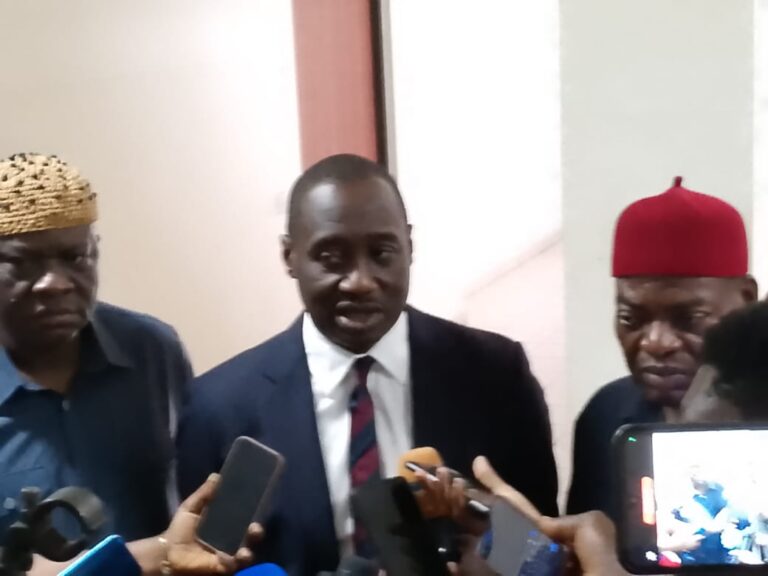
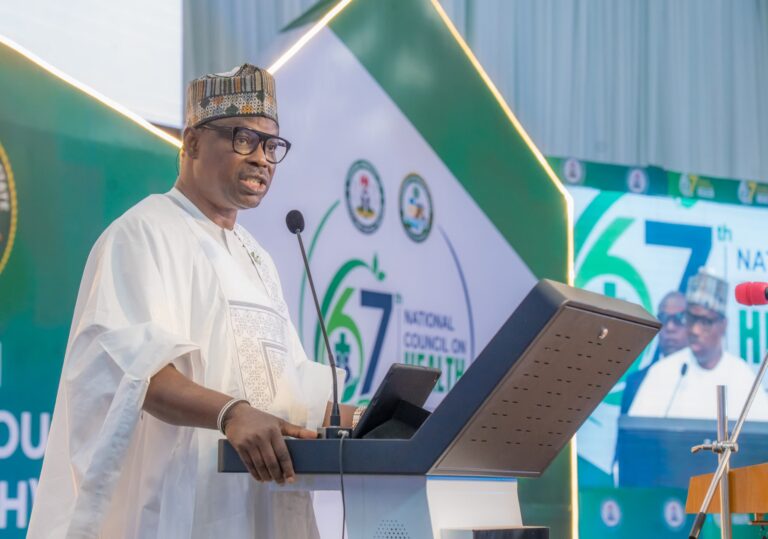
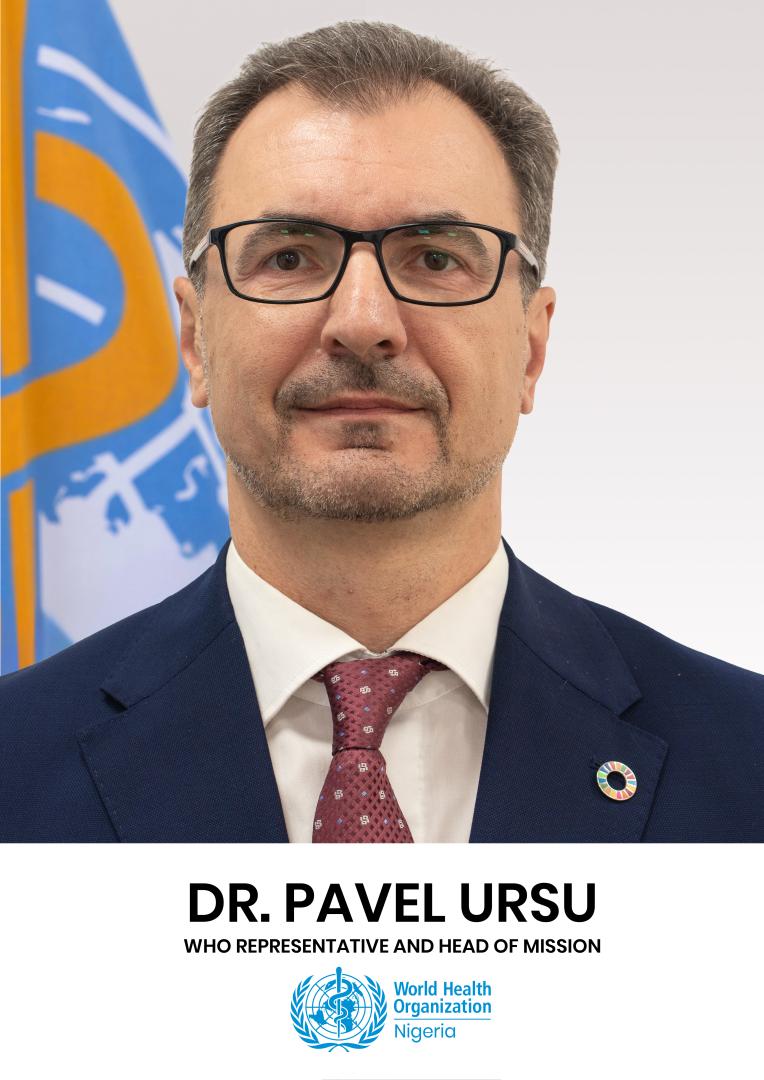
This was emphasized during the ministerial press briefing of federal Ministry of Health and Social Welfare in Abuja on Tuesday, in commemoration of World Health Day 2026, WHO Representative in Nigeria, Dr Pavel Ursu, stressed the global theme, “Together for health. Stand with science,” noting that advances in healthcare are the result of sustained scientific progress, political commitment, and collective action.
He pointed out that globally, maternal mortality has declined by about one-third since 2000, while child mortality has been reduced by more than half. Vaccination alone, he said, has saved over 150 million lives, while diseases such as HIV, tuberculosis, and malaria have become increasingly manageable or preventable.
Dr. Ursu also underscored Africa’s growing contribution to global health, citing breakthroughs in Ebola vaccine development, strengthened genomic surveillance, and ongoing efforts to boost local vaccine production through mRNA technology transfer.
According to him, Nigeria reflects this broader progress through improved immunisation coverage, stronger primary healthcare systems, and enhanced capacity to detect and respond to outbreaks such as polio, measles, Lassa fever, and cholera.
Despite these gains, he warned that significant challenges remain, including limited access to essential health services, preventable maternal and child deaths, and emerging threats like antimicrobial resistance and climate-related risks.
He called for a multi-sectoral response anchored on the One Health approach, integrating human, animal, and environmental health to strengthen preparedness and prevent future crises.
READ ALSO: FG Moves to Ease Trade Bottlenecks as NRS, Customs, PEBEC Review Single Window Platform
Opeifa urges trust, civic education at RHAM launch
Dr. Ursu further urged increased domestic investment in science, research, and innovation, alongside stronger global partnerships to support African-led solutions and expand equitable access to health technologies.
“Science must work for everyone. A breakthrough that does not reach those who need it most remains unfinished work,” he said, adding that sustained collaboration will enable Nigeria to build a more resilient and healthier future.
About The Author