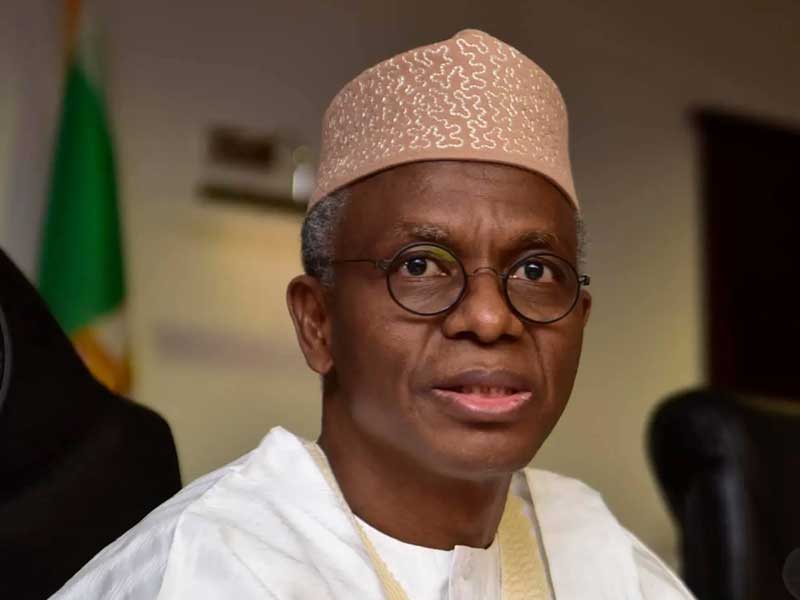
The Muslim Rights Concern (MURIC), a prominent Islamic human rights organization, has voiced strong criticism over the prolonged detention of former Kaduna State Governor, Mallam Nasir El-Rufai, suggesting that the case’s extended adjournment lends weight to opposition claims of political bias.
On Tuesday, April 21, 2026, the Kaduna State High Court, presided over by Justice Darius Khobo, adjourned El-Rufai’s bail hearing until the first week of June 2026. This decision has drawn considerable attention, especially from MURIC, which in a statement issued on Thursday, April 23, 2026, questioned the fairness of the legal proceedings.
The Executive Director of MURIC, Professor Ishaq Akintola, in his statement, emphasized that while the organization respects the judicial process, the unusually long adjournment in what he called a “bailable offence” reinforces the opposition’s argument that the case is politically motivated.
The statement further highlighted that El-Rufai’s willingness to comply with the law, including voluntarily surrendering to the Economic and Financial Crimes Commission (EFCC) and returning to custody after attending his mother’s burial rites, should have sufficed as an indication of his commitment to the judicial process. MURIC pointed out that El-Rufai has no history of bail-jumping or evading legal responsibilities, raising questions about the necessity of his extended detention.
Since El-Rufai’s initial detention on February 16, 2026, he has spent over two months in custody, with the possibility of an additional month and a half before his next bail hearing. MURIC criticized the prolonged detention as unprecedented, noting that Nigerian politicians typically face much shorter detention periods, even in cases involving serious corruption charges.
“In the face of such a drawn-out process, the question must be asked: What else could be deemed a political witch-hunt if this is not?” the statement read, calling for a swifter resolution of the case.
READ ALSO: World Malaria Day 2026: WHO Calls for Urgent Action to End Malaria in Africa
MURIC also reiterated its commitment to seeing justice served but warned that democracy would be undermined if justice continues to be delayed, stressing that “justice delayed is justice denied.”
As the case continues to unfold, the focus on political motivations behind the delay is likely to remain a key talking point, especially among critics who argue that the proceedings are more about settling political scores than upholding the rule of law.
About The Author