
By Fatima Saka
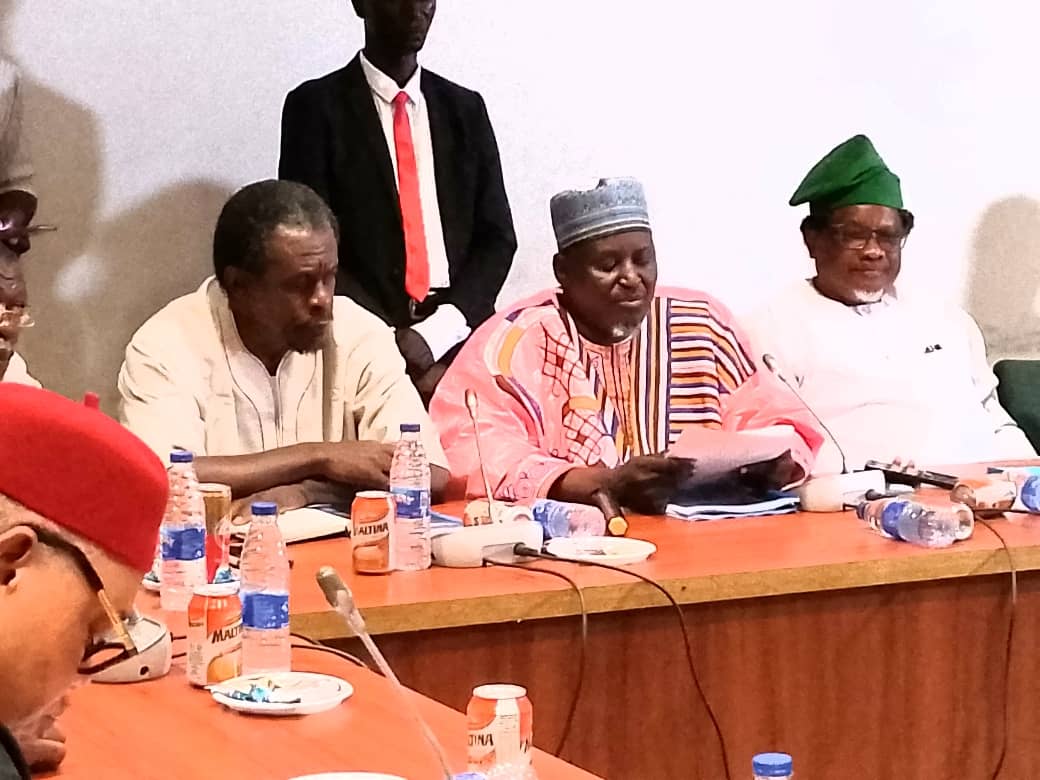
The Independent Petroleum Marketers Association of Nigeria (IPMAN) on Thursday in Abuja called for an urgent reduction in load charges and the establishment of a dedicated Petroleum Bank to ease access to affordable financing for operators in the downstream petroleum sector.
National President of IPMAN, Alhaji Abubakar Maigandi Shettima Garima, made the appeal during an interactive session with the House of Representatives Committee on Petroleum Resources (Downstream), where stakeholders discussed challenges surrounding importation and domestic refining.
Garima said high loan charges and operational costs continue to strain marketers, emphasizing that a Petroleum Bank would provide tailored financial support to industry players and help stabilize the sector.
He also urged the Federal Government to accelerate the development of more local refineries across the country, noting that increased domestic refining capacity is critical to reducing dependence on imports and ensuring long-term energy security.
While commending government efforts to rehabilitate existing refineries and encourage private sector investment, he highlighted persistent challenges such as multiple taxation, regulatory inconsistencies, logistics bottlenecks, pipeline vandalism, foreign exchange volatility, and inadequate infrastructure.
According to him, independent marketers account for about 80 percent of petroleum retail outlets nationwide and remain central to distribution, stressing that policies in the downstream sector cannot succeed without their active participation.
On fuel pricing, Garima explained that fluctuations are largely influenced by global crude oil prices and supply chain dynamics.
“Marketers source products from refineries and depot owners. Any increase or decrease at those points is reflected at the retail level. Global tensions previously pushed prices upward, but as stability returns, adjustments are expected,” he said.
In his remarks, Chairman of the House Committee, Hon. Ikenga Imo Ugochinyere, said the session marked the first phase of broader stakeholder engagements that would inform legislative reforms and possible amendments to petroleum laws.
He assured that the committee would examine key concerns raised, including load charges, dollar-denominated transactions, import licensing processes, and the need for safe transport corridors.
Ugochinyere stressed the importance of balancing increased domestic refining with regulated importation to guarantee energy security, noting that Nigeria must prepare for a future with multiple functional refineries.
Decarbonization Offers Competitive Edge for Shipping Industry — Peterside
“We must create a framework that supports refinery growth while recognizing the role of marketers. The objective is sustainable supply, fair pricing, and economic stability,” he said.
The committee is expected to consolidate stakeholder inputs into policy recommendations aimed at strengthening Nigeria’s downstream petroleum sector and reducing the burden on consumers.
About The Author