By Fatima Saka
Governor of Nasarawa State, Engineer Abdullahi A. Sule, has called for a strategic shift from licence-driven mineral extraction to in-country processing, warning that the continued export of raw resources undermines Nigeria’s industrial growth and economic potential.
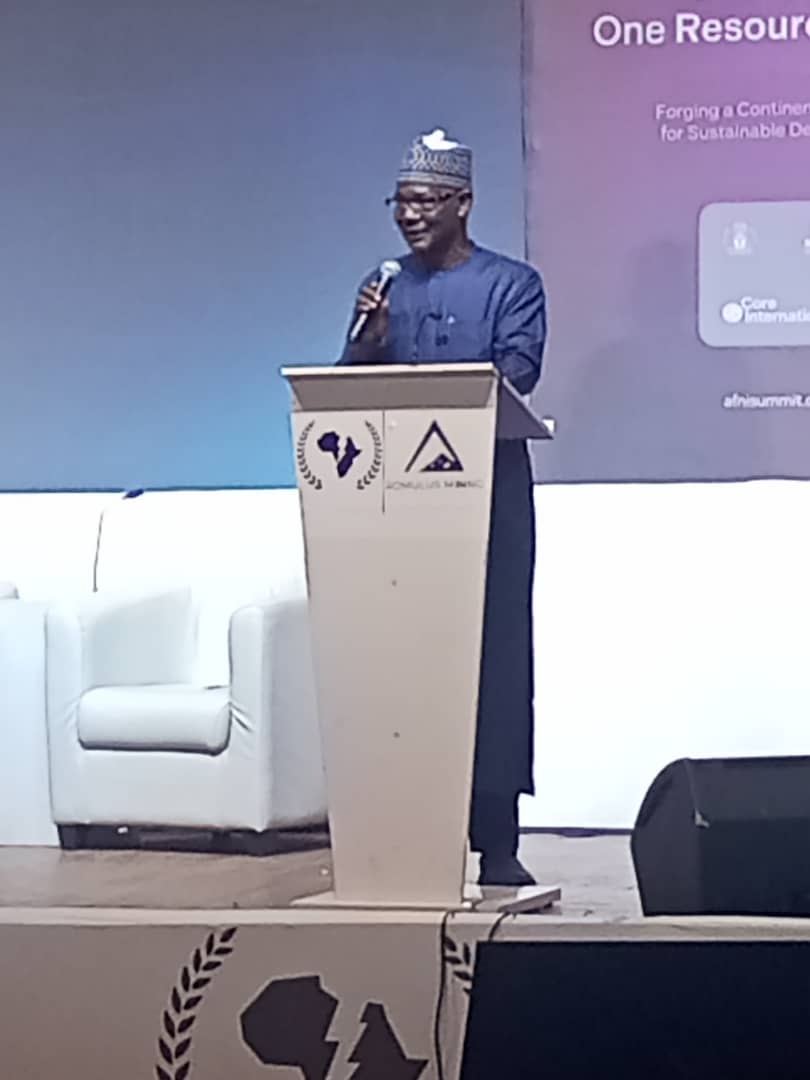
Sule made the call at the African Natural Resources and Energy Investment Summit 2026, where he joined other stakeholders in advocating value addition as a critical pathway to sustainable development across Africa.
Addressing policymakers, investors and development partners at the summit, the governor stressed that exporting unprocessed minerals deprives Nigeria and the continent of jobs, revenue and long-term industrial capacity.
Citing a presentation by Professor Orama, Sule backed calls to halt the routine issuance of mining licences without clear commitments to local beneficiation, insisting that investors must prioritise processing within host communities.
“That is exactly the reason why I am here,” he said, noting that Nasarawa State had already adopted a policy requiring mining firms to undertake at least the first stage of processing within the state.
He acknowledged that the policy initially faced resistance but has since gained traction, particularly with the support of the Federal Government under President Bola Ahmed Tinubu, who shares the vision of strengthening value addition in the solid minerals sector.
“As a result, Nasarawa State is now home to the largest and second-largest lithium processing companies in Nigeria,” Sule stated, positioning the state as a growing hub in the country’s lithium value chain.
The governor commended investors, including Diamond New Energy, for embracing local processing, urging them to expand investments and deepen their operations in Nigeria.
Highlighting reforms introduced by his administration, Sule said the state has prioritised investor confidence by strengthening collaboration with the Federal Ministry of Solid Minerals Development and promoting responsible mining practices.
He explained that responsible mining must strike a balance between investor returns, government revenue and community interests, with strict compliance to environmental impact assessments and land reclamation standards.
Sule further disclosed that the state has institutionalised investor support through an infrastructure funding framework, which allocates five per cent of its internally generated revenue to develop critical infrastructure for mining and agriculture.
According to him, this approach ensures the provision of access roads, security and power, thereby lowering investment risks and improving the ease of doing business.
Drawing from his private sector experience, including his tenure at the Dangote Group, Sule noted that investor confidence remains central to attracting sustainable investments.
Emporium 10th Anniversary: Information Minister Urges Journalists to Uphold Credibilityl
“The first thing every investor is looking for is confidence—whether their investment is safe,” he said.
Sule reaffirmed Nasarawa State’s commitment to policies that promote value addition and economic diversification, positioning the state as a model for resource-based industrialisation in Nigeria.
About The Author