Stakeholders in the built environment have raised alarm over Africa’s readiness to manage the rapid pace of urbanisation, warning that without urgent collaboration, information sharing and long-term planning, the continent risks building chaotic, unliveable mega cities.
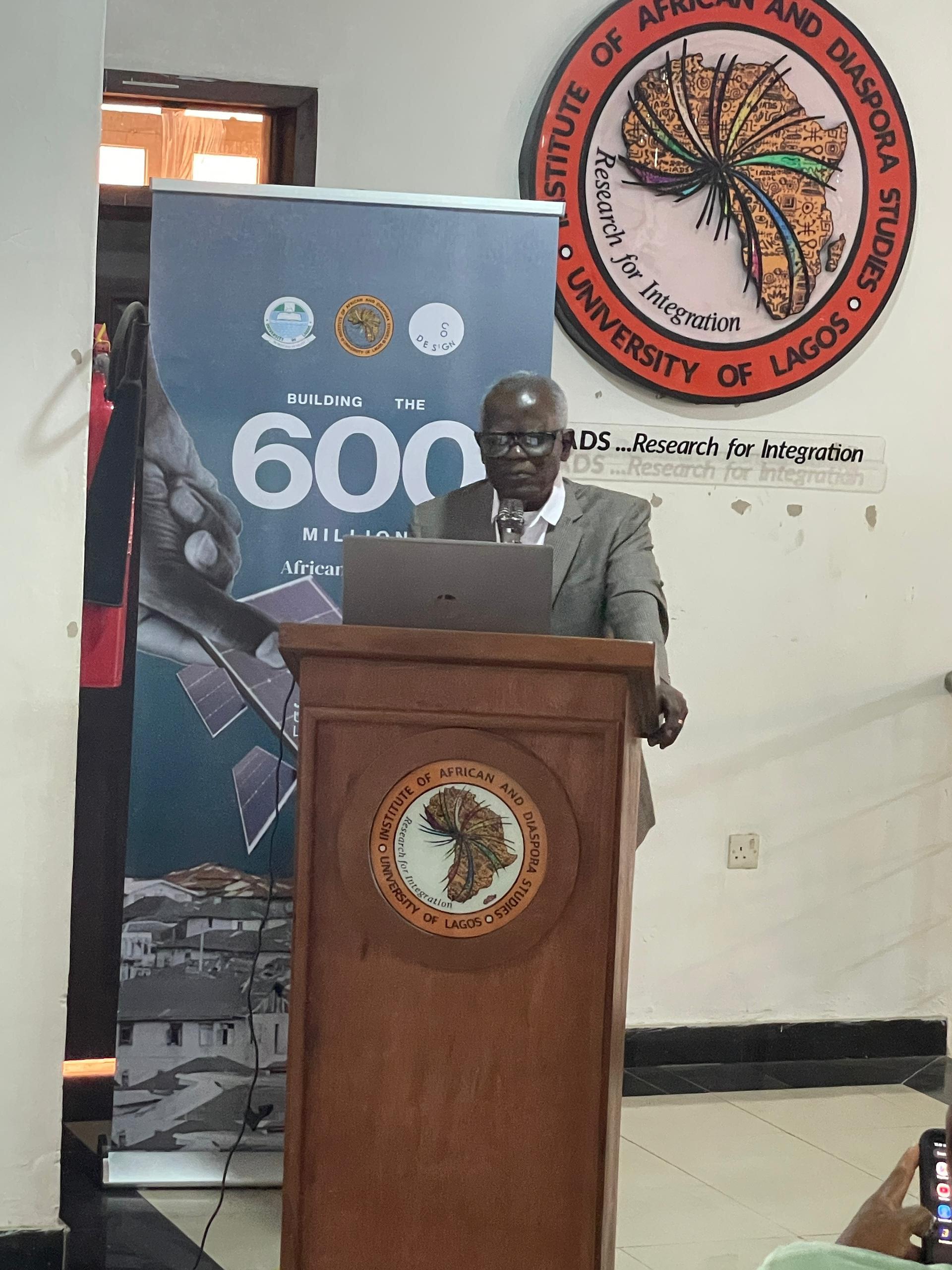
They made this known at a workshop jointly organised by the Institute of African and Diaspora Studies (IADS), University of Lagos, and CoDesign Africa, themed “Building the 600 Million African Super City.”
Delivering the keynote address, Professor Olumide Olusanya stressed that Africa was standing on the brink of unprecedented urban expansion, especially along the West African corridor stretching from Abidjan to Lagos. Citing forecasts by economists, he noted that the region is set to experience one of the fastest urban growth rates in the world.
He warned that unless African cities adopt smarter approaches to planning and construction, the result would be disastrous.
“Development is coming—fast. But at the current rate of construction, it is not sustainable. The cost of construction is too high, land use is inefficient, and our cities lack basic liveability,” Prof. Olusanya said. “Inefficiency is compounding inefficiency. If we do nothing, we will create more poverty instead of opportunity.”
He called for a new development mindset anchored on productivity, cost-efficient housing, sustainable urban planning and locally driven innovation. He also emphasised the need for shared knowledge and collective action across sectors.
Director of IADS, Professor Ayo Yusuf, said the workshop was timely due to the alarming rise in population across African cities, especially Lagos, which continues to absorb migrants daily. He noted that the Lagos–Abidjan coastal strip is projected to hold 40 per cent of the world’s population in the coming decades and must be prepared for the human and infrastructural pressure ahead.
He said the workshop was designed not only to discuss challenges but to engage policymakers and private stakeholders with workable solutions.
“Preparation must start now,” Prof. Yusuf said. “We need to build human capacity from the ground up—students who understand architecture combined with technology and modern design, but rooted in Africa’s climate and cultural realities.”
Founder of CoDesign Africa, Architect Anthony Baba-Oladeji, said Africa must act immediately to prepare for a future that is “not just coming—it is already here.”
Using Lagos as an example, he warned that even short-term scenarios such as the upcoming festive season, popularly called Detty December, expose the city’s infrastructural weaknesses.
“We do not have enough housing, water systems, renewable energy or waste infrastructure to manage today—how then do we plan for tomorrow?” he asked. “By 2050, one in every four people in the world will be a young African. What kind of cities are we building for them?”
He criticised the current lack of collaboration among professionals, noting that solutions are often trapped within the private sector while architects, developers, financiers and government agencies work in silos.
READ ALSO: Anambra prepares for February 2026 statewide measles-rubella vaccination campaign
Senate Queries NADDC Revenue Shortfalls: Council Unveils Plan to Boost Local Vehicle Production in Nigeria
“The problem is not a lack of solutions; it’s a lack of conversation,” he said. “We must break the barriers and share knowledge. Collaboration is the only way to build future-ready African cities.”
Baba-Oladeji further urged participants to ensure ideas from the workshop translate into real development projects and policy implementations, not just conference papers.
About The Author