
Abuja — Nigeria is set to host the world’s largest ministerial gathering on antimicrobial resistance (AMR), as global health leaders intensify efforts to combat a growing crisis that disproportionately affects low- and middle-income countries.
The 5th High-Level Ministerial Meeting on AMR, themed “One Health: Advancing Global AMR Commitments through Local Action,” will mark the first time the summit is held in Africa, positioning Nigeria at the forefront of the global response to drug-resistant infections.
Ahead of the meeting, international health experts, including officials from the World Health Organization, warned that antimicrobial resistance remains one of the top 10 global health threats, driven largely by the misuse and overuse of antibiotics and other antimicrobial medicines.
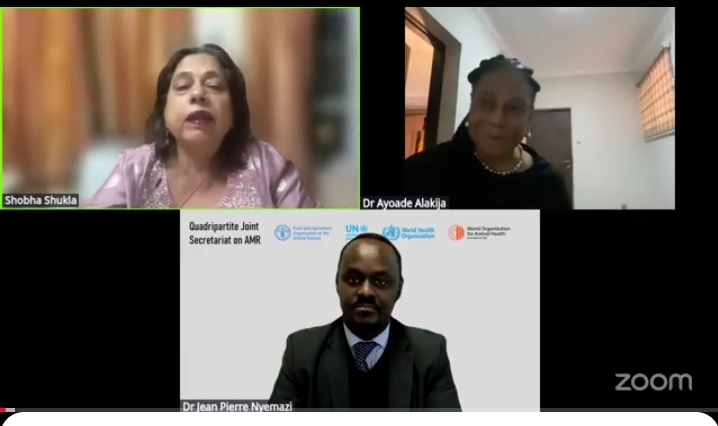
During a virtual media briefing on Monday, Dr. Jean Pierre Nyemazi of the Quadripartite Joint Secretariat on AMR said the crisis has extended beyond hospitals, now affecting food systems, livestock, the environment, and economies.
“Drug resistance continues to kill many people, particularly in low- and middle-income regions,” Nyemazi said, noting that infections are becoming harder—and in some cases impossible—to treat as medicines lose their effectiveness.
The Abuja meeting is expected to draw delegates from over 100 countries, including presidents from Botswana, Ghana, and Nigeria. It will also review progress made since the 2024 UN General Assembly High-Level Meeting on Antimicrobial Resistance and follow up on commitments from the 2024 Jeddah ministerial meeting hosted by Saudi Arabia.
Global targets adopted in 2024 aim to reduce AMR-related deaths by 10 per cent by 2030, from an estimated 4.9 million deaths linked to drug resistance in 2019. Experts say simple interventions such as improved hand hygiene and better access to appropriate medicines could significantly curb the burden.
Nigeria’s Ministerial Global Envoy on AMR, Ayoade Alakija, said the upcoming summit will adopt a broader, multi-sectoral approach, involving ministers of health, agriculture, environment, and finance.
“The meeting will not just involve ministers of health but also those in agriculture, environment and finance to address AMR across all sectors,” she said.
Alakija stressed that tackling AMR requires a shift from focusing solely on medicines to strengthening prevention systems and safeguarding ecosystems, including animal health and food systems.
She also highlighted the economic benefits of investing in AMR response, noting that every dollar invested could yield up to eleven times in returns. However, she identified financing as a major barrier to implementation of national action plans.
“If we do not have the resources to fund these plans, then implementation becomes difficult,” she said, calling for stronger involvement of financial decision-makers.
She further referenced the Abuja Declaration, which commits African nations to allocate 15 per cent of national budgets to health, as a potential framework to strengthen funding for AMR interventions.
The meeting is also expected to prioritise practical solutions, including improved surveillance systems, expanded water, sanitation and hygiene (WASH) programmes, and strengthened infection prevention strategies.
Meanwhile, Chairperson of the Global AMR Media Alliance, Shobha Shukla, cautioned that while AMR is a global threat, its impact is uneven.
READ ALSO: Senate Raises Alarm Over ₦210 Trillion Discrepancies in NNPCL Accounts
Safe Motherhood Day: WHO Urges Shift from Access to Quality Care to End Maternal Deaths in Nigeria
“In settings with weaker public health systems, particularly in low- and middle-income countries, the risks are significantly higher,” she said, emphasising the need for better access to diagnosis, treatment, and preventive care.
With the Abuja summit, stakeholders say the focus must now shift from global commitments to concrete, local actions capable of slowing the spread of antimicrobial resistance and saving millions of lives.
About The Author