Lagos, Nigeria — the new debate initiative in Lagos is drawing attention to Nigeria’s limited presence on the global academic stage, as students across the state compete not just for honours, but for relevance in international intellectual circles.
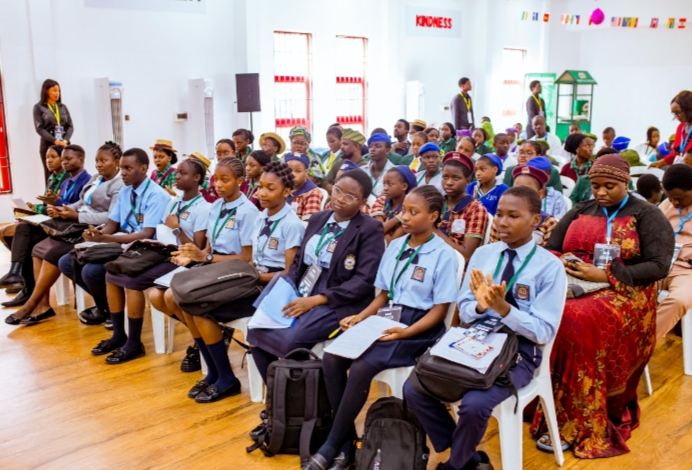
The maiden Lagos Schools Debate Competition (LSDC), which began on Friday, has brought together students from the state’s six education districts in a three-day contest aimed at addressing what organisers describe as a persistent gap in global exposure.
Convener of the initiative, Bukunmi Babatunde, said the competition—organised in collaboration with DebateChamps and the Harvard Debate Council (USA)—was designed to reposition Nigerian students within international debate ecosystems.
According to her, despite strong intellectual potential, Nigerian students remain largely underrepresented in global debate circuits, often overshadowed by peers from countries with more structured training systems.
“We are not lacking in intelligence or creativity, but in exposure and structured preparation. This initiative is about correcting that imbalance,” Babatunde said.
The competition, holding at the British International Junior School in Victoria Island, is also targeting a deeper issue within Nigeria’s education system—overreliance on memorisation.
Babatunde noted that many students struggle with impromptu reasoning and adaptive argumentation, skills that are critical in international debate settings.
“Students have been conditioned to memorise rather than think. Global debate requires spontaneity, critical analysis, and the ability to defend ideas under pressure,” she added.
Co-Convener, Dr Halimat Usman, echoed this concern, stressing that true debate excellence lies beyond rehearsed content.
“Debate is not about reciting prepared speeches. It is about engaging ideas, responding intelligently, and thinking on your feet. That is where many of our students need support,” she said.
Usman described the partnership with the Harvard Debate Council as strategic, noting its global experience in training national debate teams.
She added that the LSDC is not only a competition but a talent discovery and development platform aimed at preparing Nigerian students for international representation.
The initiative has also drawn emotional support from stakeholders, including parents. Mrs Funmilayo Babatunde described the programme as a milestone in expanding opportunities for Nigerian children.
“This is about giving our children a chance to compete globally and be recognised for their intellectual abilities,” she said.
Organisers, however, emphasised that such efforts require broader institutional backing. They called on government, schools, and private sector actors to invest in debate education as a tool for intellectual development.
They warned that without sustained support, Nigeria risks continuing its marginal presence in global academic competitions.
READ ALSO: Police unveil ultra-modern I-GP Olukayode Egbetokun Conference Hall in Lagos
Drug Abuse: Expert Urges FCT Teens to Reject ‘One Puff, One Pill’ Temptation
Looking ahead, the organisers outlined plans to expand the initiative nationally, introduce African-level competitions, and provide continuous mentorship and recorded training sessions.
As the debates unfold in Lagos, the broader issue remains clear: bridging the gap between Nigeria’s academic potential and its global visibility may depend on how seriously such initiatives are scaled and sustained.
(NAN)
About The Author