By Fatima Saka
Abuja, (NAN) — A development-focused organisation, Datametrics Associates Limited, on Friday marked its 12th anniversary with renewed calls for improved menstrual hygiene management, stronger girls’ empowerment, and urgent action against period poverty in Nigeria.
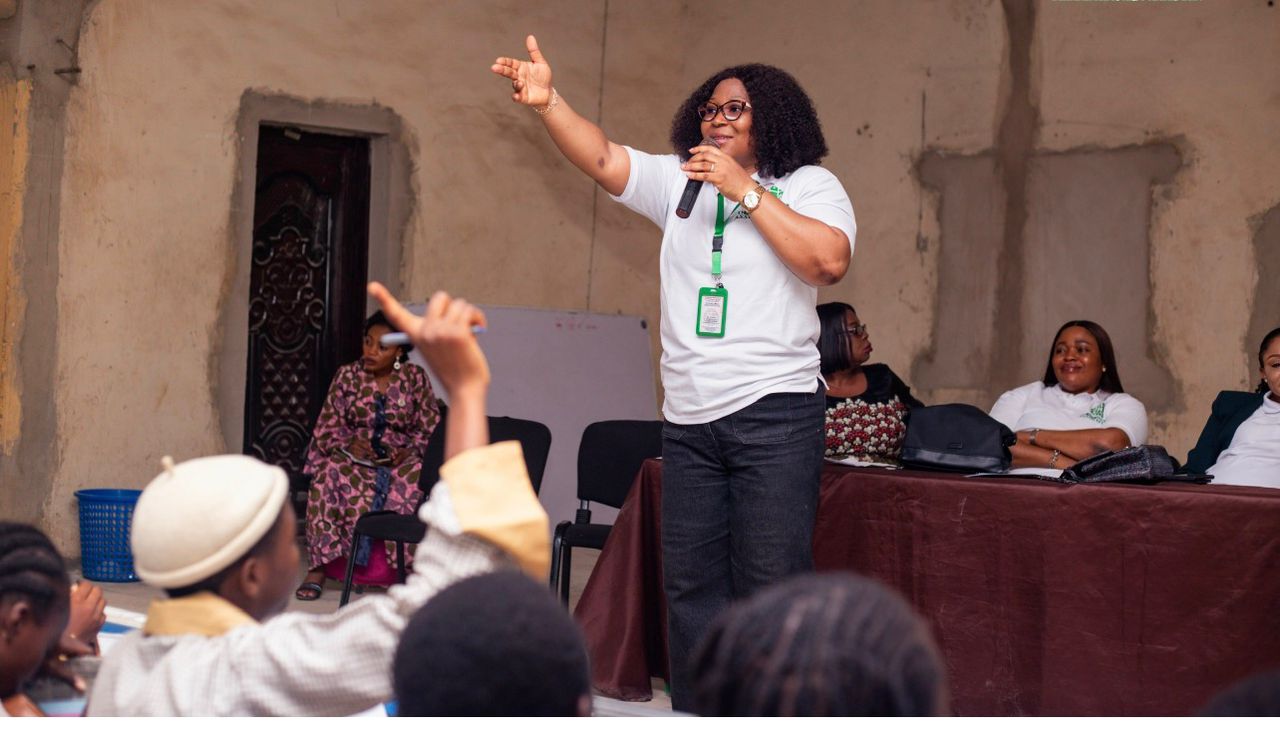
The anniversary activities in Abuja featured a school outreach and sensitisation session at Government Secondary School Gwarinpa, where female students were educated on menstrual health, hygiene practices, and self-confidence during menstruation.
Speaking at the event, Dr Abiodun Feyikemi-Ipadeola, Technical Director and Chief Executive Officer of Datametrics Associates Limited, said menstrual hygiene should be treated as both a health and human dignity issue requiring urgent policy and social attention.
“Menstrual hygiene is not just a health issue; it is about dignity, confidence and equal opportunity. No girl should have to miss school because of her period,” she said.
She noted that the organisation deliberately marked its anniversary with community impact initiatives to highlight persistent gaps in menstrual health management, particularly among adolescent girls.
According to her, period poverty remains widespread, with findings indicating that about 25 per cent of girls in Abuja experience difficulty accessing menstrual hygiene products, often leading to school absenteeism.
“It is unacceptable that in this day and age, girls still resort to unsafe materials because they cannot afford sanitary pads. This is not just a health concern; it is a social justice issue,” she added.
She also raised concerns over poor Water, Sanitation and Hygiene (WASH) infrastructure in public schools, revealing that about half of schools in the Federal Capital Territory lack functional sanitation facilities.
She contrasted this with private schools, where functional WASH infrastructure is reportedly more consistent, underscoring widening inequality in learning environments.
Dr Feyikemi-Ipadeola further disclosed that around 15.5 per cent of schoolgirls still rely on unsafe alternatives such as old cloths, tissue paper, or newspapers due to cost constraints, warning that such practices increase the risk of infections and reproductive health complications.
She called for coordinated action involving government, private sector actors, and development partners to ensure affordable access to sanitary products and improved school sanitation systems.
“We need policies that go beyond paper. Schools must be equipped with functional WASH facilities, and menstrual hygiene products should be accessible and affordable to every girl, regardless of her background,” she said.
Some of the students who participated in the session said the programme helped correct misconceptions and boosted their confidence in managing menstrual health.
“I used to feel shy talking about my period, but today I learned it is normal and nothing to be ashamed of,” said Ms Mariam Ahmed.
Another student, Ms Hannatu Amos, said the session provided practical guidance on hygiene practices and how to seek help when necessary.
Education stakeholders at Government Secondary School Gwarinpa described the initiative as timely, noting that it would help improve school attendance and reduce stigma around menstruation.
As part of its 12th anniversary activities, Datametrics Associates Limited also delivered a motivational session themed “The Power of Vision and Purpose for Young Girls,” encouraging students to pursue their aspirations despite social and economic challenges.
Dr Feyikemi-Ipadeola reaffirmed that the organisation would continue to prioritise data-driven interventions to address social and development challenges.
Ogoni Cleanup Delivering Real Climate Action — HYPREP Boss Highlights
“Our work is rooted in evidence. With the right data, policies and partnerships, we can create lasting change and improve outcomes for vulnerable populations,” she said.
Stakeholders at the event emphasised that addressing menstrual hygiene challenges is critical to improving girls’ health, school retention, and advancing gender equality in Nigeria.
About The Author