By Bisola Adeyemo
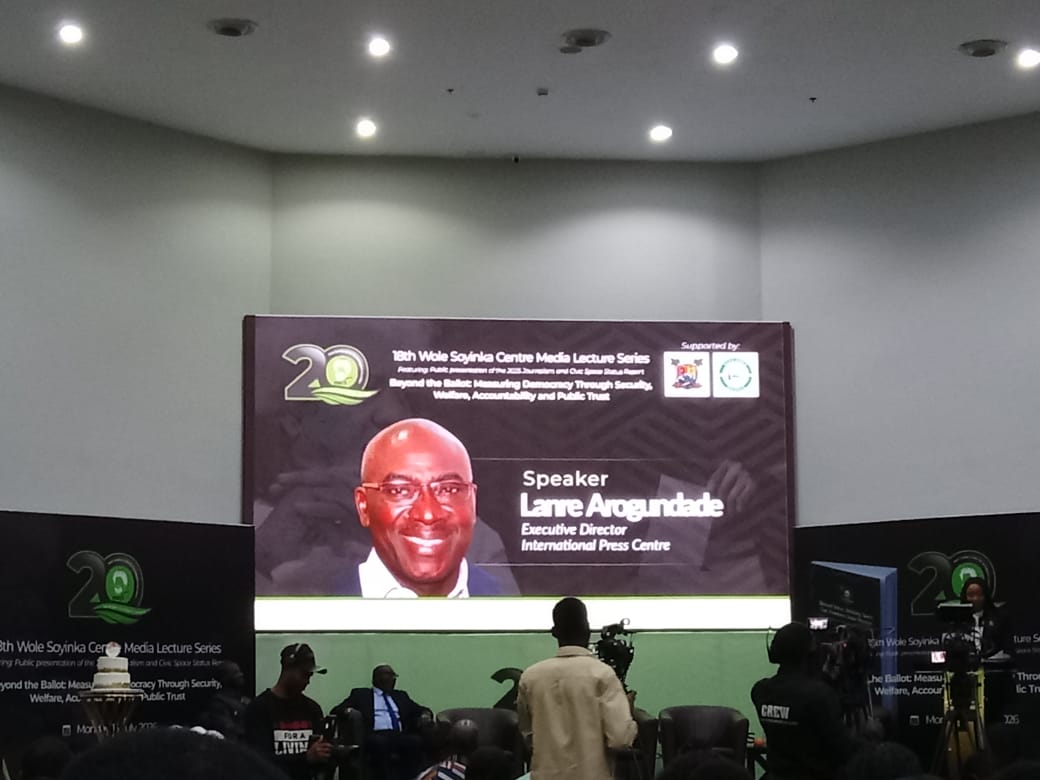
LAGOS, Nigeria — The CEO of the International Press Center, Lanre Arogundade, has called on civil society organizations, the Nigerian Bar Association and other relevant stakeholders to support journalism in Nigeria, warning that rising intolerance toward tough questions is threatening democracy and the safety of reporters.
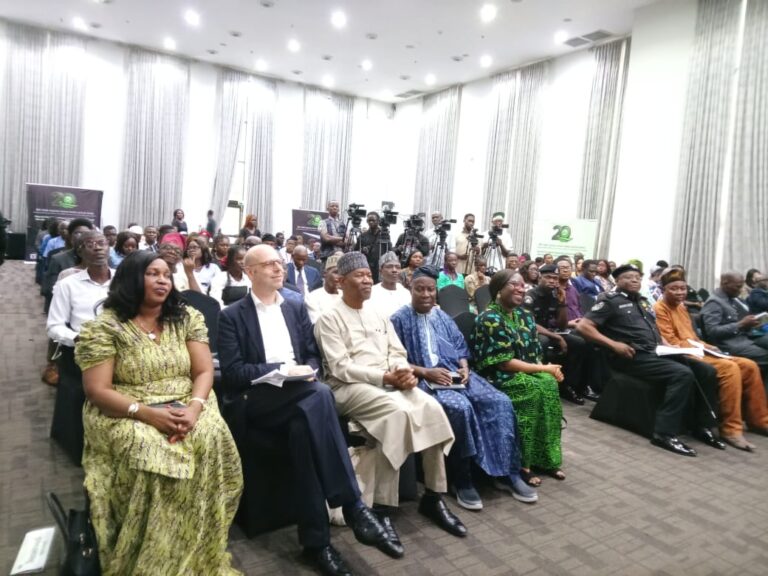
Arogundade made the call on Monday in Lagos during the 18th Wole Soyinka Center Media Lecture Series, which featured the public presentation of the 2025 Journalism and Civic Space Status Report. The event was themed _Beyond the Ballot: Measuring Democracy Through Security, Welfare, Accountability and Public Trust
Speaking on attacks against journalists by party agents during elections, Arogundade said: “What has changed is greater intolerance to questioning, to criticism on the part of our leaders, and so bad that they actually penetrated the psychology of some of our people, who, because of partisanship or ethnic considerations, think it’s a crime for journalists to ask elected leaders or appointed representatives tough questions.”
“We were taught in journalism that we need to ask tough questions. But when you ask tough questions, suddenly you will be considered rude. That is not journalism,” he said.
He questioned how the media can perform its accountability role when reporters are blocked from interrogating public officials: “So how do we perform our accountability functions when you cannot even ask politicians about what they intend to do for citizens?”
“I think the greatest threat to this democracy is this attitude of not being able to ask our leaders tough questions,” Arogundade said. He noted that some journalists now avoid critical questions “to save their heads” because of a “mob mentality” from citizens threatening reporters who press officials.
READ ALSO: NIHSA Raises Alarm Over Imminent Flooding in 13 States, Calls for Urgent Action
FG Unveils Food Procurement Guidelines to Tackle Malnutrition, Promote National Wellness
“We wouldn’t have this democracy if journalists in the past didn’t ask tough questions. If they didn’t write tough editorials, some of us came into journalism because of what we were reading,” he added.
“We really need the support of the public for journalism to thrive in Nigeria, and for us to be able to ask those questions,” Arogundade said.
About The Author