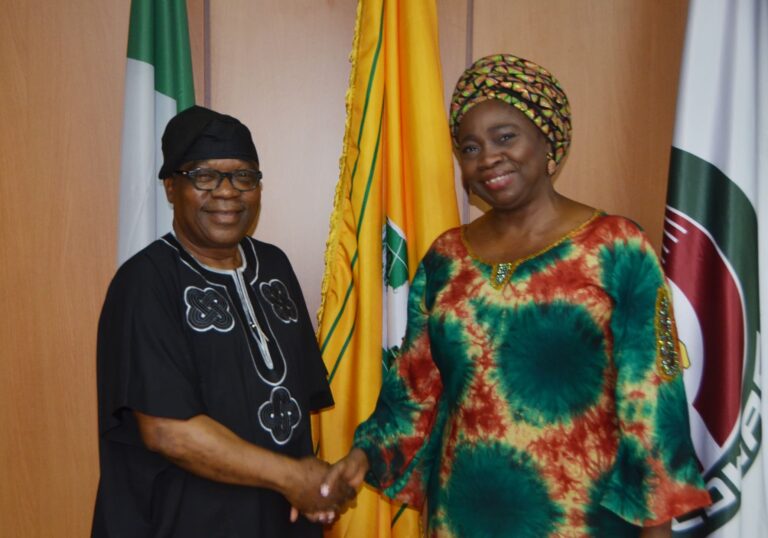

The World Health Organization (WHO) has reaffirmed its commitment to supporting Nigeria in improving maternal and newborn health outcomes, as the country marked the 2026 Safe Motherhood Day.
Speaking at the event, the WHO Representative in Nigeria, Dr. Pavel Ursu, commended the Federal Ministry of Health and Social Welfare for its sustained efforts in advancing national health programmes and strengthening the country’s health system.
Ursu, who was represented by Dr. Martin Joseph, described the commemoration as a global reminder of the shared responsibility to safeguard the health and well-being of mothers and newborns.
Highlighting this year’s theme, “Closing the Gap: From Coverage to Quality Care for Every Mother,” he stressed the urgent need to move beyond access to healthcare and focus on delivering quality and respectful services, noting that no woman should die during childbirth.
The WHO praised Nigeria for measurable progress achieved through ongoing health sector reforms, improved coordination, and stronger collaboration among stakeholders. It noted that enhanced dialogue and coordination mechanisms have contributed to better health system performance nationwide.
The organization also acknowledged reforms at the subnational level, particularly efforts to strengthen health management systems, improve coordination, and expand access to essential health commodities.
A major highlight of the event was the launch of key policy and technical documents aimed at improving maternal and newborn care. These include the National Maternal Care Guidelines, the National Clinical Service Protocol for Obstetric and Neonatal Care, and the revised Life-Saving Skills (LSS) Training Package for frontline health workers.
According to WHO, these tools are critical to translating policy into practice and ensuring standardized, evidence-based care for pregnant women and newborns.
READ ALSO: LAWMA, EU Target Construction Waste Crisis with Skills-Based Recycling Initiative in Lagos
FG Hails 200MMSCFD SPL Gas Plant for Closing Nigeria’s Supply Gap
Reaffirming its support, the agency pledged continued technical assistance to Nigeria, particularly in strengthening the health workforce, including midwives, and improving overall health outcomes.
Ursu further urged stakeholders to prioritize quality care as a key strategy for reducing maternal mortality and ensuring safe motherhood across the country.
About The Author