By Fatima Saka
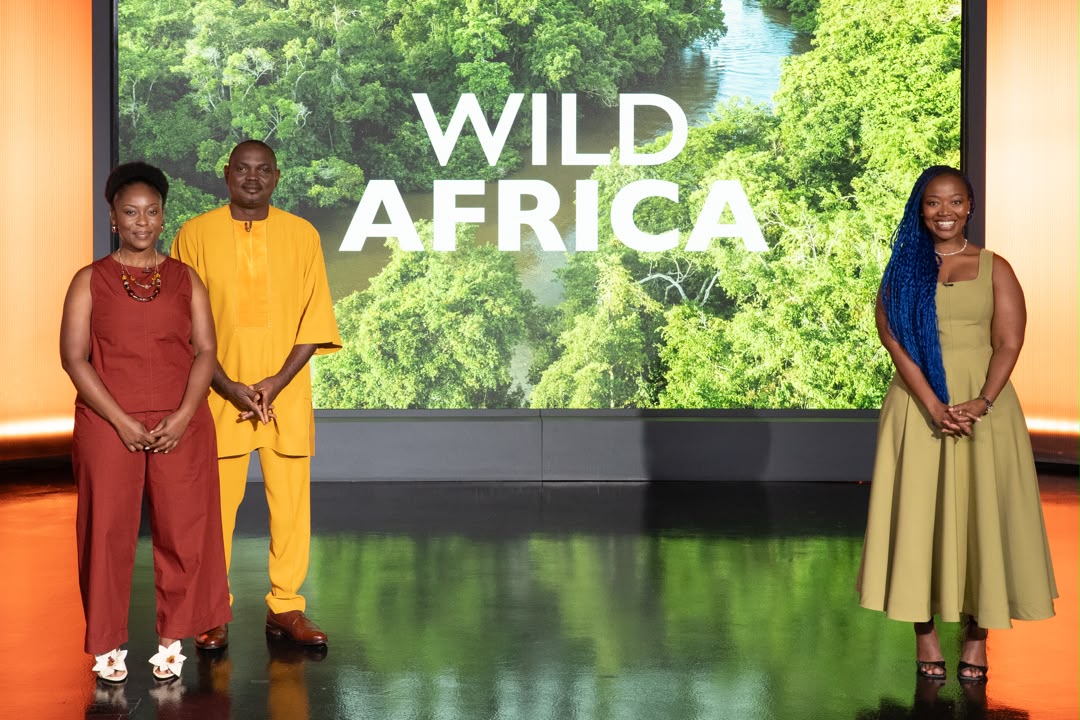
A new Pan-African wildlife television series, Wild Africa, has premiered on Channels Television, bringing stories of Africa’s endangered species, conservation heroes and threatened natural heritage to Nigerian audiences.
The 13-part magazine-style series, produced in Cape Town, South Africa, by conservation communications organisation Wild Africa, is designed to entertain and educate African audiences while raising awareness about the urgent need to protect the continent’s wildlife and wild spaces.
The series, which premiered on Aug. 15, airs new episodes weekly on Saturdays at 5:30 p.m. West African Time (WAT) on DStv and at 8:30 p.m. WAT. Repeat broadcasts are available on Channel 420 on DStv and on terrestrial television on UHF Channel 39.
According to a statement signed by Nigeria’s Representative of Wild Africa, Festus Iyorah, the programme combines short documentaries with celebrity wildlife experiences, interviews and studio segments.
The series is hosted by Nigerian wildlife veterinarian, Dr Mark Ofua; South African freediver and ocean advocate, Zandile Ndhlovu; and Zimbabwean television presenter, Rumbie Takawira.
Across its 13 episodes, Wild Africa takes viewers to different parts of the continent to meet conservationists working to protect threatened species, including sea turtles in Nigeria, elephants in Kenya, Cross River gorillas, desert rhinos in Namibia, mountain gorillas in Rwanda and bonobos in the Democratic Republic of Congo.
The programme also places significant focus on Nigeria’s conservation challenges, including efforts to protect forest elephants, manatees and sea turtles, preserve forests and save the pangolin, described as the world’s most trafficked mammal.
Wild Africa said Nigeria had lost more than 70 per cent of its elephant population over the past three decades, falling from an estimated 1,200–1,500 elephants in 1991 to about 300–400 currently.
It also identified Nigeria as a major global transit hub for illegal ivory and pangolin scales, noting that the country accounted for nearly a quarter of the world’s seized ivory and more than half of global pangolin scale seizures between 2016 and 2019.
Celebrity wildlife advocates featured in the series include Oscar-winning actress Lupita Nyong’o, Danai Gurira, Djimon Hounsou, Nigerian singer Laycon and medical doctor and health communicator Aproko Doctor.
The General Manager of Channels Television, Kingsley Uranta, said the partnership reflected the broadcaster’s commitment to African storytelling and the use of television to promote conservation.
According to Uranta, the series would help audiences appreciate Africa’s natural heritage and understand the importance of protecting wildlife and ecosystems essential to the continent’s future.
The Series Producer and Chief Executive Officer of Wild Africa, Peter Knights OBE, said wildlife was central to Africa’s tourism economy, noting that it attracted a significant proportion of visitors to the continent.
He said preserving wildlife was therefore critical not only for Africa’s natural heritage but also for jobs and economic development.
Speaking on the significance of the Nigerian broadcast, Ofua said conservation would be difficult to achieve without helping people understand their relationship with nature.
He said Wild Africa was intended to make conservation stories entertaining, relatable and hopeful, particularly for young Nigerians.
West Africa Director at Wild Africa, Linus Unah, said the Channels Television premiere marked an important step towards making conservation part of mainstream public conversation in Nigeria.
READ ALSO: Middle Belt Group Urges FG to Return IDPs to Ancestral Homes
New CVSN Leadership Targets Global Standards in Veterinary Practice
The series is supported by the International Fund for Animal Welfare and the Tammy Estrada Strome Foundation.
The Nigerian premiere forms part of a wider Pan-African rollout, with the programme already airing in Zimbabwe and Namibia and scheduled for broadcast in South Africa, Kenya, Rwanda, Tanzania, Botswana and Zambia.
The series will also be available on the Sky UK platform in the United Kingdom, extending its conservation message to African audiences and viewers beyond the continent.
About The Author