Senate Clears ₦140bn 2026 Budget for North Central Development Commission, Demands Accountability

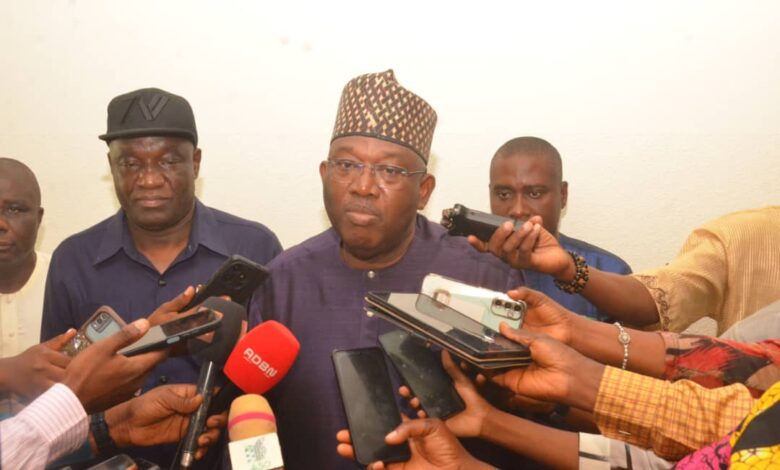
The Senate Committee on the North Central Development Commission has approved ₦140 billion as the proposed budgetary allocation for the Commission’s 2026 fiscal year, with lawmakers stressing strict oversight to ensure impact-driven development across the region.
Chairman of the Committee, Titus Zam, announced the approval on Monday after the Commission’s budget defence session at the National Assembly. He said the allocation is targeted at accelerating development and addressing persistent socio-economic and security challenges in the North Central zone.
Zam explained that the approved funds would be channelled into critical infrastructure projects, security interventions, agricultural development, and humanitarian support programmes. He noted that the intervention agency is expected to focus on rebuilding communities affected by insecurity, tackling displacement, and improving access to essential social services.
According to him, the 2026 appropriation reflects the federal government’s commitment to stabilising and revitalising the region through coordinated development initiatives.
The lawmaker, however, underscored the committee’s determination to enforce transparency and accountability in the utilisation of public funds. He warned that the Commission must strictly comply with budgetary provisions and ensure that projects deliver measurable and visible impact to communities.
Suspension: Don says he won’t examine ineligible students – Prof. Osegbue Emphasizied
He further assured stakeholders that the committee would intensify its oversight functions to guarantee effective implementation of the 2026 budget in line with the statutory mandate of the North Central Development Commission.
The ₦140 billion allocation is expected to serve as a strategic intervention aimed at fostering economic growth, strengthening security response mechanisms, and supporting vulnerable populations across the region.
About The Author