By Fatima Saka
Abuja, Nigeria — Amid mounting public concern over Nigeria’s rising debt burden and economic hardship, the Minister of Finance and Coordinating Minister of the Economy, Taiwo Oyedele, has dismissed claims that the current administration borrowed N80 trillion, describing the narrative as a misunderstanding of the country’s debt profile.
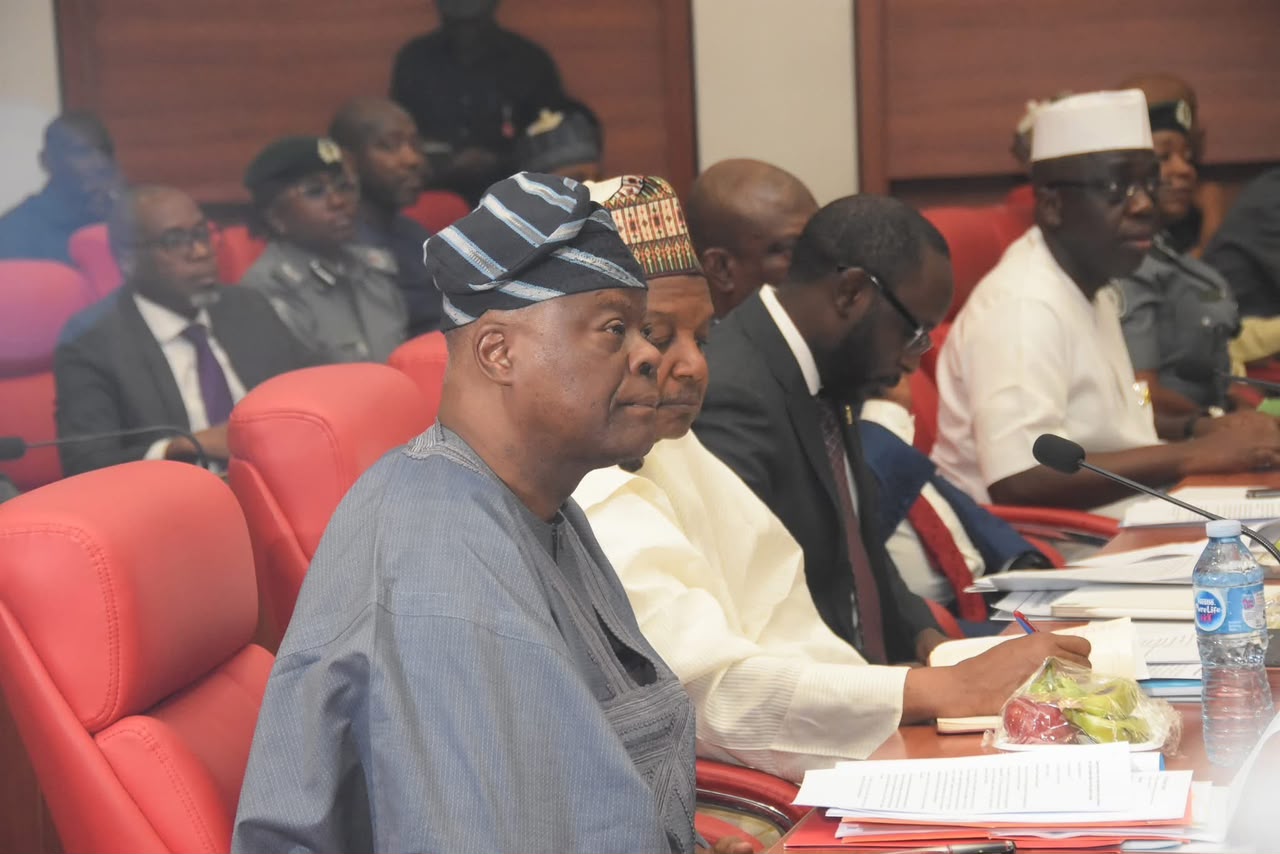
Speaking during an economic review session organised by the Senate Committee on Finance, Oyedele explained that the apparent increase in Nigeria’s public debt was largely due to accounting adjustments rather than fresh borrowing.
According to him, when President Bola Tinubu’s administration assumed office, Nigeria’s public debt stood at about N75 trillion. He noted that simple comparisons between that figure and current debt levels have led to misleading conclusions.
Oyedele revealed that over N40 trillion was added to the debt stock due to the depreciation of the naira, which triggered a revaluation of foreign currency-denominated obligations. He added that an additional N33 trillion came from the securitisation of Ways and Means advances obtained from the Central Bank of Nigeria under the previous administration.
He stressed that approvals granted by the National Assembly for borrowing should not be misconstrued as actual loans already drawn, noting that disbursements are reported separately.
The minister also cited the Nigerian Education Loan Fund (NELFUND) as part of government efforts to ease financial pressure on households while expanding access to education.
However, lawmakers raised concerns over fiscal performance and governance. Senator Tahir Monguno criticised the slow pace of budget implementation, arguing that improved revenue generation should translate into timely execution of capital projects. He warned that failure to fully implement an Appropriation Act constitutes a breach of the law.
Monguno also questioned discrepancies in Federation Account Allocation Committee (FAAC) revenues, particularly the reported retention of N1.7 trillion from total accruals of about N3.7 trillion.
Similarly, Senator Adamu Aliero expressed concerns over rising debt levels, suggesting that both the previous and current administrations had accumulated significant borrowings.
Responding, Oyedele maintained that FAAC allocations under the current administration have not fallen below N2 trillion, though he said he could not confirm specific figures cited by lawmakers.
In his remarks, Chairman of the Senate Committee on Finance, Senator Mohammed Sani Musa, said the success of ongoing economic reforms would ultimately be judged by their impact on citizens’ welfare.
READ ALSO: NSCDC Commits to Media Safety, Backs NAWOJ WINSEC Summit 2026
Rotary Donates Delivery Kits to Over 200 Pregnant Women in Lagos to Boost Safe Childbirth
He called for stronger coordination between fiscal and monetary authorities to ensure economic stability and improve policy outcomes. Musa also disclosed that the National Assembly is considering reforms to streamline government payment processes in a bid to enhance efficiency and reduce delays.
The session highlighted growing tensions between government assurances and legislative scrutiny, as Nigerians continue to grapple with the realities of economic reforms and rising cost of living.
About The Author