
By Racheal Abujah
The Federal Government on Thursday expanded its maternal and newborn healthcare intervention in Kano State, enrolling an additional 20,000 pregnant women and children under the National Health Insurance Authority (NHIA) to improve access to emergency obstetric services and reduce maternal and infant mortality.
The intervention, known as the Expanded Maternal and Newborn Healthcare Project, is designed to provide vulnerable families with access to free antenatal and postnatal services, emergency obstetric care and other essential healthcare services without financial barriers.
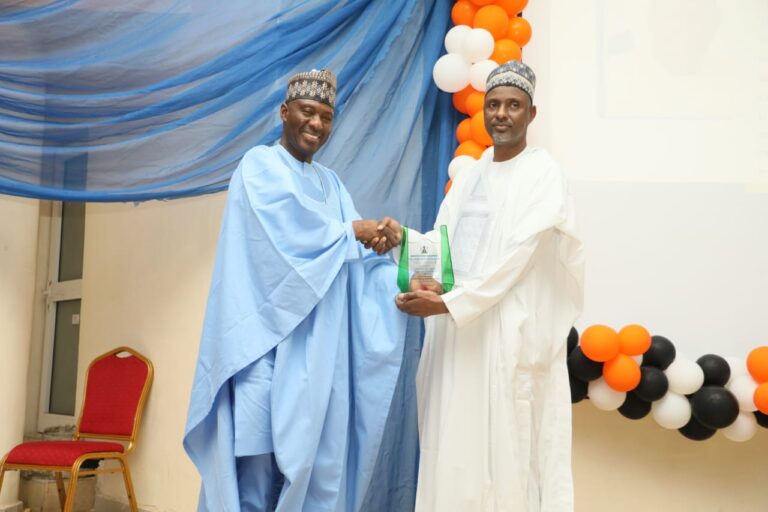
The Coordinating Minister of Health and Social Welfare, Prof. Muhammad Ali Pate, announced the expansion during the unveiling of the initiative in Kano, saying the programme was part of the Federal Government’s broader efforts to accelerate progress towards Universal Health Coverage (UHC).
Pate said the expansion would bring an additional 20,000 beneficiaries, including pregnant women and children, into the health insurance programme, enabling them to access quality healthcare without the burden of out-of-pocket payments.
He disclosed that the intervention had recorded a 60 per cent reduction in maternal deaths, attributing the progress to increased access to healthcare services, particularly at the primary healthcare level.
According to him, the programme is helping more pregnant women seek medical attention and receive timely interventions when complications arise during pregnancy and childbirth.
The minister said the initiative reflected President Bola Tinubu’s commitment to improving maternal and child health, stressing that childbirth should no longer constitute a life-threatening experience for Nigerian women.
He recalled that the programme was introduced about two years ago under the National Health Insurance Scheme as part of the health sector’s annual investment programme to accelerate efforts to reduce maternal and infant mortality.
Pate said more than 100,000 pregnant women who experienced complications had received treatment through the intervention, while the Federal Government had also reimbursed the cost of some emergency Caesarean sections.
He explained that the provision of free emergency obstetric services, particularly Caesarean sections, was helping to save lives while protecting families from the financial hardship associated with complicated deliveries.
According to him, pregnant women experiencing life-threatening obstetric emergencies are eligible for treatment regardless of their social or economic background.
“Saving the life of a mother must come first. Women facing life-threatening emergencies should not be denied care because they cannot afford to pay,” he said.
The minister said Kano was selected as one of the pioneer states for the expanded maternal and newborn healthcare initiative because of the progress recorded in emergency obstetric services.
He disclosed that the services had handled more than 5,000 emergency cases, with a reported survival rate of 93 per cent.
The minister said the results demonstrated the importance of strengthening emergency referral systems and ensuring that women with pregnancy-related complications received prompt medical attention.
He attributed the progress recorded under the programme partly to the Federal Government’s economic reforms, which, he said, had increased government revenue and created additional resources for investment in essential healthcare services.
Pate, however, emphasised that government interventions alone would not be sufficient without the support of communities and other stakeholders.
He urged traditional and religious leaders to encourage pregnant women to attend antenatal clinics early and deliver in health facilities equipped with trained medical personnel, essential medicines, supplies and functional referral systems.
He also called on the Kano State Government to sustain the programme through stronger collaboration with the Kano State Contributory Healthcare Scheme.
According to him, such collaboration would help address affordability challenges, expand insurance coverage and ensure that more women and children receive timely and quality healthcare.
Pate added that millions of Nigerians were already benefiting from expanded health insurance coverage, while the Federal Government had made provisions to support emergency maternal healthcare services.
He said the free Caesarean section intervention had particularly relieved families of substantial financial burdens, while improving the chances of survival for women experiencing complications during childbirth.
The Director-General of NHIA, Dr Kelechi Ohiri, said the agency was implementing the expanded maternal and newborn survival programme in collaboration with the National Primary Health Care Development Agency (NPHCDA) and state health insurance agencies.
Ohiri disclosed that the NHIA had enrolled about four million people in Kano State, providing them with access to healthcare services through various health insurance arrangements.
He said the expansion was driven by the Federal Government’s commitment to improving healthcare delivery under President Tinubu’s Renewed Hope Agenda.
According to him, the authority is engaging more than 300,000 healthcare facilities nationwide to strengthen access to emergency obstetric services.
He explained that participating facilities had been directed to prioritise saving lives whenever women presented with obstetric emergencies, rather than delay treatment because of payment requirements.
The facilities, he said, could subsequently seek reimbursement from the NHIA for eligible services provided.
The arrangement is intended to remove financial and administrative barriers that could delay emergency treatment, particularly in cases where immediate medical intervention is necessary to prevent maternal deaths.
The collaboration between the NHIA, NPHCDA and state health insurance agencies is also expected to strengthen the link between primary healthcare facilities and higher-level hospitals, ensuring that women who develop complications can be referred promptly for specialised care.
The Kano State Commissioner for Health, Dr Abubakar Labaran, commended the Federal Government for selecting the state for the expanded intervention.
Labaran said the programme would complement the state government’s efforts to reduce out-of-pocket expenditure and improve access to maternal healthcare services.
He disclosed that Kano recorded 156,000 maternal mortality cases in 2023, adding that the figure had subsequently reduced by half.
The commissioner said the reduction reflected ongoing efforts to improve maternal healthcare delivery in the state, while acknowledging the need for sustained interventions to address the remaining challenges.
He, however, drew attention to the prevalence of diphtheria in Kano, expressing concern over the shortage of vaccines required to strengthen disease prevention and control efforts.
His remarks highlighted the need for the state to sustain attention to maternal and newborn healthcare while addressing other pressing public health threats.
The expansion of the maternal and newborn healthcare programme comes amid continuing efforts by the Federal Government to improve financial protection and increase access to essential health services, particularly for vulnerable populations.
Maternal emergencies such as severe bleeding, obstructed labour, hypertensive disorders of pregnancy and other complications require immediate medical attention.
Delays in accessing appropriate care can increase the risk of death or severe health complications for both mothers and newborns.
For many low-income households, the cost of emergency treatment, including Caesarean sections, remains a significant barrier to accessing timely medical care.
The expansion of health insurance coverage and the provision of free emergency obstetric services are therefore intended to address financial barriers while strengthening the capacity of healthcare facilities to respond to complications.
However, the long-term impact of the intervention will depend on the availability of trained health workers, essential medicines, functional equipment, reliable electricity and water supplies, effective referral systems and timely reimbursement of participating healthcare facilities.
Community engagement will also remain important in encouraging early antenatal attendance, skilled birth delivery and prompt health-seeking behaviour.
READ ALSO: Alake, Audu Bag Strategic Leadership Awards at Solid Minerals Ministry Recognition Night
Coalition Demands End to Child Marriage, Warns Against Exploitation of Girls
With an additional 20,000 beneficiaries expected to benefit from the expansion in Kano, stakeholders say sustained collaboration between federal and state governments, health insurance agencies, healthcare providers and community leaders will be essential to ensuring that more women and children survive pregnancy and childbirth.
The broader objective is to make quality maternal and newborn healthcare accessible, affordable and available to every family, irrespective of income or location.
About The Author