By Fatima Saka
The House of Representatives has moved to tighten professional standards in Nigeria’s eye care sector, with a proposed law seeking tougher sanctions against unqualified practitioners and stronger regulatory oversight of optometrists and dispensing opticians.
The bill, which scaled second reading during plenary, seeks to repeal the existing Optometrists and Dispensing Opticians (Registration, etc.) Act, Cap. 09, Laws of the Federation of Nigeria, 2004, and replace it with a modern legal framework to regulate professional training and practice.
Sponsored by the Deputy Speaker, Benjamin Kalu, alongside eight other lawmakers, the proposed legislation is also aimed at addressing loopholes in the existing law that allow unqualified individuals to operate in the eye care sector and potentially expose Nigerians to preventable vision loss.
Leading the debate on the general principles of the bill, one of its co-sponsors, Mark Oseni, said the existing regulatory framework had become outdated and inadequate to address developments in ophthalmic science, changing global clinical standards and the expanding scope of vision healthcare.
Oseni stressed that vision was fundamental to human dignity, productivity and economic development, warning that weaknesses in the current law had created opportunities for quackery and professional misconduct.
He explained that eye examinations, prescription of corrective lenses, vision training and management of minor eye conditions require specialised professional training, accredited curricula and effective ethical supervision.
According to him, the proposed legislation would establish a modernised Optometrists and Dispensing Opticians Registration Council of Nigeria with stronger powers to regulate professional practice and ensure compliance with established standards.
The lawmaker said the bill would introduce mandatory continuing professional education, accredited internship programmes and stricter penalties for individuals practising without registration.
He added that it would also strengthen professional disciplinary procedures while providing safeguards for fair hearing and opportunities for appeal to the Federal High Court.
The proposed legislation contains 30 clauses divided into six parts and three schedules, covering the establishment, powers and governance of the regulatory council, registration of practitioners, professional privileges, offences, training standards, quality assurance and disciplinary procedures.
It also provides for the regulation of professional qualifications, scope of practice and other measures designed to improve standards across public and private healthcare facilities.
Oseni described the legislation as timely and transformative, noting that stronger regulation would help protect Nigerians against preventable blindness and bring the country’s eye care system in line with contemporary professional standards.
He urged lawmakers to support the bill, stressing the need for a stronger legal framework capable of protecting patients and promoting professionalism in the sector.
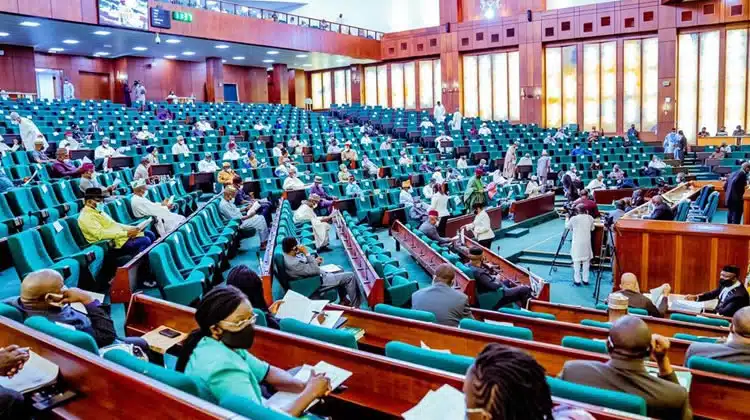
Following the debate, Speaker of the House, Tajudeen Abbas, put the bill to a voice vote, and it received overwhelming support from members.
READ ALSO: Senate Summons NNPCL, Chevron CEOs Over LPG Exports, Probes Revenue From 2023
Pastor Akiode at 60: Dagunduro, Wife Celebrate His Humility, Dedication to God’s Work
The bill was subsequently passed for second reading and referred to the House Committee on Health Institutions for further legislative action.
The proposed law is expected to undergo further scrutiny and engagement with relevant stakeholders before subsequent legislative stages.
About The Author