The Federal Government has called for stronger enforcement of Nigeria’s healthy food policies, warning that poor dietary habits and unhealthy food environments are worsening the burden of hypertension, diabetes, obesity, stroke and other non-communicable diseases.
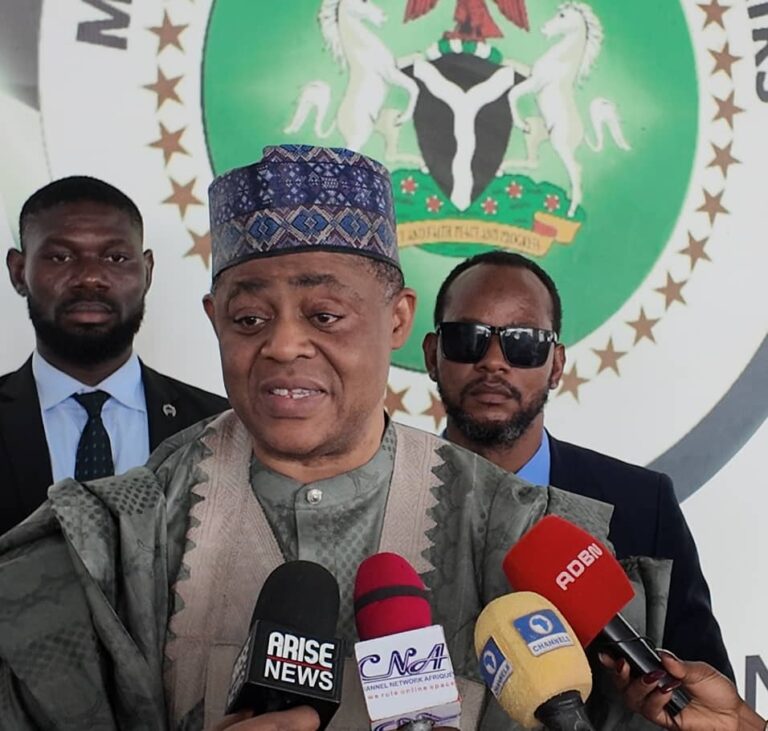
Minister of State for Health and Social Welfare, Dr. Iziaq Adekunle Salako, said Nigeria must move beyond developing policies to ensuring their effective implementation across markets, schools, hospitals, workplaces and households.
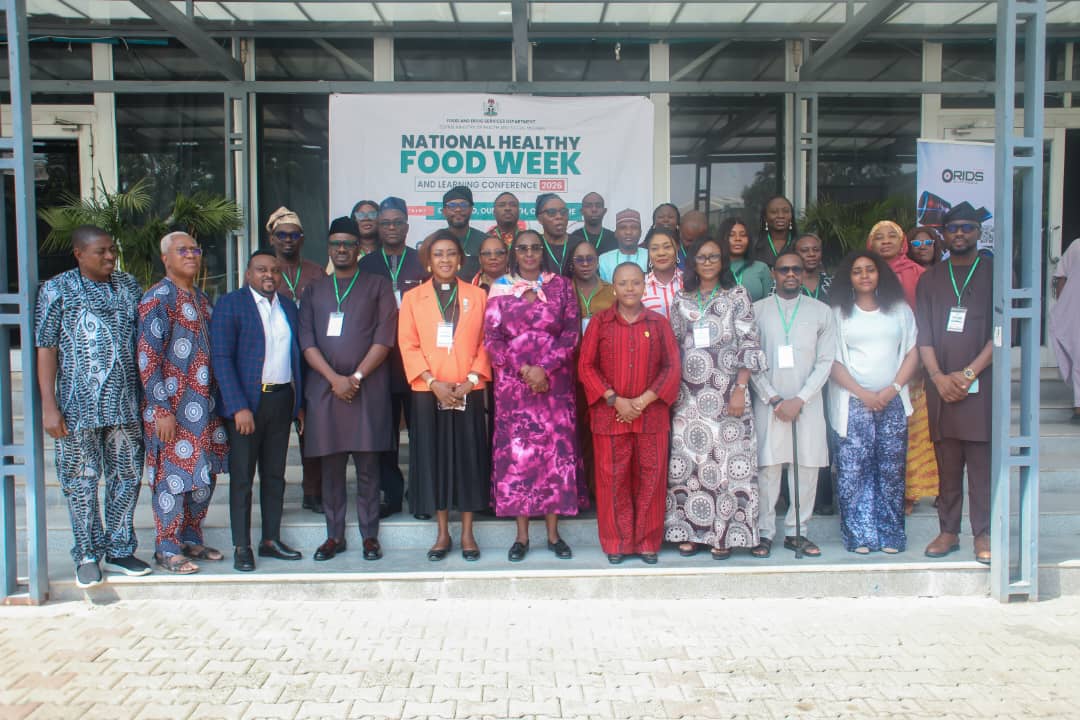
This was contained in a statement signed by Ado Bako, Assistant Director, Information and Public Relations, Federal Ministry of Health and Social Welfare, following the maiden National Healthy Food Week and Learning Conference held in Abuja on Monday.
Salako, who delivered the keynote address through the Permanent Secretary of the Ministry, Daju Kachollom S. mni, said tackling diet-related diseases required collective responsibility and coordinated action by government institutions, food manufacturers, regulatory agencies, health professionals, development partners, the media and consumers.
He noted that food choices and the quality of available food have far-reaching implications for public health, workforce productivity, child development and national prosperity.
The minister highlighted government efforts to strengthen Nigeria’s food policy and regulatory framework through the Revised National Policy on Food Safety and Quality and its Implementation Plan (2023), which provides for food safety, food fortification, sodium reduction, elimination of industrially produced trans fats and healthier public food procurement.
He also identified the National Guidelines for Sodium Reduction, NAFDAC’s Read the Label Campaign and the development of front-of-pack nutrition labelling as important measures to help Nigerians make informed dietary choices while encouraging manufacturers to improve the nutritional quality of their products.
On public food procurement, Salako noted that government institutions provide millions of meals annually through schools, hospitals, correctional centres, emergency shelters and National Youth Service Corps (NYSC) camps.
He described public procurement as a strategic tool for improving Nigeria’s food environment and called for effective implementation of the Bureau of Public Procurement’s National Guidelines for Public Procurement of Food and Related Services.
He stressed the need for adequate monitoring, accountability and capacity building to ensure that public institutions provide healthier meals.
Salako also advocated transparent utilisation of revenue from fiscal measures, including the sugar-sweetened beverage tax, to support nutrition education, healthier food environments and interventions aimed at preventing diet-related diseases.
He emphasised the importance of large-scale food fortification in addressing micronutrient deficiencies, noting that its effectiveness depends on regulatory standards, industry compliance, quality assurance, laboratory capacity and market surveillance.
The minister equally encouraged Nigerians to consume more locally available nutritious foods, including legumes, fruits, vegetables, nuts, whole grains and traditional nutrient-rich foods.
He said state and local governments, primary healthcare facilities, community organisations, traditional and religious institutions, women’s groups, youth networks and the media must play active roles in translating existing policies into measurable health outcomes.
According to him, unhealthy food environments could further increase the prevalence of hypertension, diabetes, obesity, cardiovascular diseases, stroke and kidney disease, with serious consequences for healthcare expenditure and national productivity.
Declaring the four-day conference open, Salako urged stakeholders to make the gathering an enduring platform for accountability, partnership, innovation and continuous improvement of Nigeria’s food systems.
In a goodwill message, the Interim Country Director of Resolve to Save Lives (RTSL), Dr. Jenom Danjuma, reaffirmed the organisation’s commitment to supporting the Federal Government in strengthening healthy food policies and reducing the burden of non-communicable diseases.
Danjuma identified excessive sodium, industrially produced trans fats and added sugars, particularly those contained in sugar-sweetened beverages, as major dietary risk factors contributing to hypertension, cardiovascular diseases and type 2 diabetes.
He stressed the need for evidence-based policies and sustained collaboration among stakeholders to make healthier food choices more accessible to Nigerians.
Similarly, Executive Director of the Network for Health Equity and Development (NHED), Dr. Jerome Mafeni, called for stronger implementation of existing policies, insisting that access to safe, nutritious and affordable food should be treated as a public health priority rather than solely an individual responsibility.
Mafeni explained that food choices were influenced by availability, production standards, affordability and access to reliable consumer information.
He noted that Nigerians could hardly make healthy dietary choices when nutritious food was unavailable, unaffordable or inadequately regulated.
According to him, the effectiveness of healthy food policies should be measured by their impact on what is produced, marketed and made available to consumers, rather than the mere adoption of policy documents.
He urged participants to move beyond discussions and agree on practical commitments, improved institutional coordination and sustained accountability.
Also speaking, the World Health Organisation (WHO) Representative in Nigeria, Dr. Pavel Ursu, represented by Pindar Wakawa, described the conference as a timely platform for advancing healthy food policies and raising awareness about the relationship between nutrition, public health and sustainable development.
Ursu said healthy diets remained among the most effective investments countries could make to prevent diseases, improve productivity, strengthen human capital and accelerate socioeconomic development.
He expressed concern over the growing burden of diet-related non-communicable diseases in Nigeria, disclosing that they account for approximately 27 per cent of all deaths in the country.
He identified cardiovascular diseases, hypertension, diabetes and chronic respiratory diseases as major public health concerns, partly driven by excessive consumption of salt, sugar and unhealthy fats.
The WHO representative further disclosed that nearly one in three Nigerian adults lives with hypertension, a major risk factor for heart disease, stroke and kidney failure.
READ ALSO: MURIC Tasks Ebiti on Building Stronger Muslim Ummah in South-West
Fidelity Bank Names Amuchie CEO, Sets Stage for New Era of Growth
The speakers commended the Federal Ministry of Health and Social Welfare for convening stakeholders to advance healthier food systems, while calling for sustained collaboration among government institutions, development partners, civil society organisations and the private sector.
The maiden National Healthy Food Week and Learning Conference, held at Bolton White Hotel and Apartments, Wuse Zone 7, Abuja, had the theme, “Our Food, Our Health, Our Future.”
About The Author