……Urges States to Expand BHCPF Coverage, Strengthen Health Workforce and Close Maternal Healthcare Gaps
By Fatima Saka
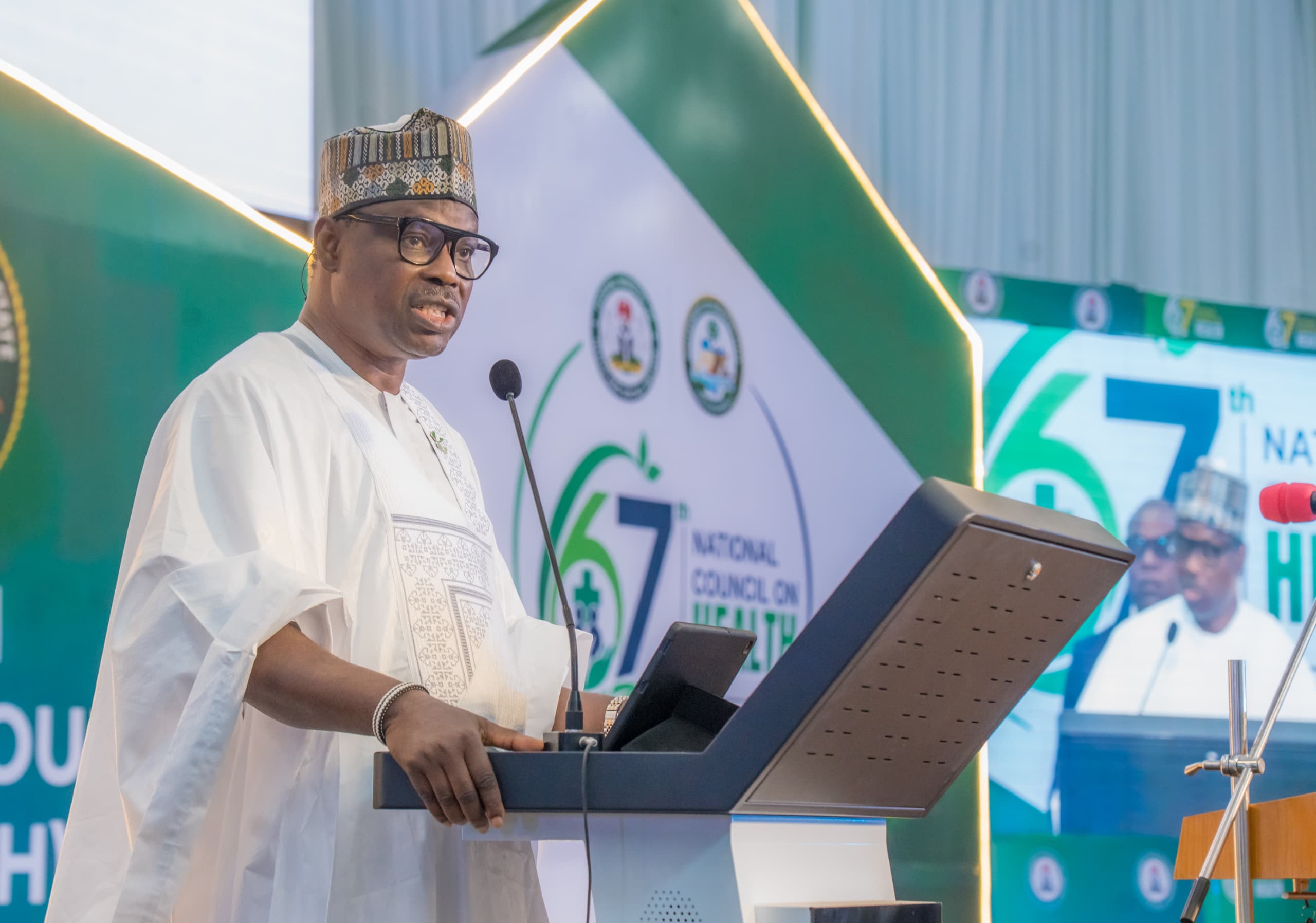
The Minister of State for Health and Social Welfare, Dr Iziaq Adekunle Salako, has challenged federal and state governments to raise the implementation rate of National Council on Health (NCH) resolutions from 75 per cent to at least 90 per cent, warning that policy commitments must translate into measurable improvements in healthcare delivery.
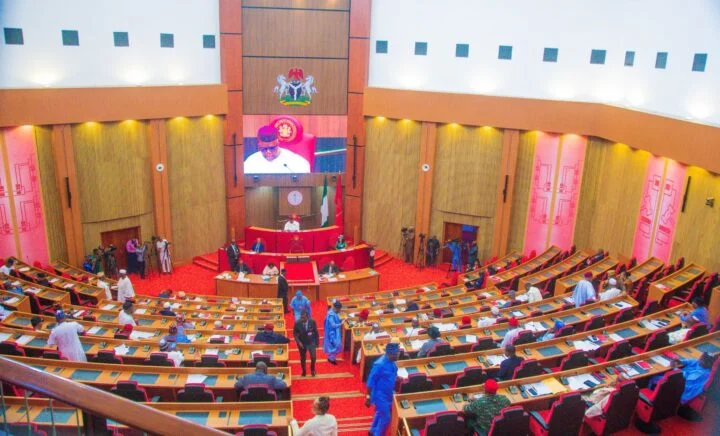
Salako made the call at the opening ceremony of the 67th National Council on Health meeting in Lafia, Nasarawa State, on Thursday, November 19, 2026, with the theme, “From Commitments to Results: Delivering Quality and Equitable Health Care for All Nigerians.”
He said the council must move beyond policy declarations to establish clear implementation timelines, responsible government institutions and measurable outcomes, stressing that resolutions should translate into tangible healthcare services across states, local governments and communities.
According to him, the meeting represents a critical stage in the Health Sector Renewal Investment Initiative and other sub-national health sector blueprints, following the gradual development of a unified national health transformation agenda since the 64th NCH held in Ado-Ekiti in November 2023.
The minister recalled that the 2024 council meeting in Maiduguri marked a shift from policy development to structural implementation, with the adoption of frameworks addressing health workforce migration, digital health initiatives and increased local government participation in healthcare delivery.
He added that the 66th NCH meeting in Calabar reinforced the need to treat healthcare as a fundamental human right while prioritising primary healthcare revitalisation, health insurance expansion and adequate funding for policies.
Salako said progress had been recorded through the revitalisation of thousands of primary healthcare centres, expanded healthcare financing, recruitment and retraining of frontline health workers, improved infrastructure, digital health development, local pharmaceutical manufacturing and increased health insurance coverage.
He also noted improvements in efforts to reduce preventable maternal, newborn and child deaths, including increased facility deliveries, expanded emergency obstetric services and declining facility-reported maternal and neonatal mortalities.
However, he stressed the need to sustain these gains through reliable electricity, essential medicines and equipment, adequate staffing and accountable financing that reaches families in underserved communities.
Looking ahead to 2027, which he described as the final year of the current health sector strategic blueprint, the minister urged the council to prioritise four critical areas, including expanding the Basic Health Care Provision Fund (BHCPF) facilities and extending lessons from the Maternal and Neonatal Mortality Reduction Initiative (MAMII) to all 774 local government areas.
He also called for increased health sector funding towards the 15 per cent Abuja Declaration target, timely budget releases and full budget execution to ensure that financial commitments translate into improved services.
On healthcare equity, Salako directed states recording below 50 per cent coverage of four antenatal care visits, or experiencing an increase in zero-dose children, to develop costed recovery plans in their 2027 operational plans.
He further described the protection of Nigeria’s health workforce as a national imperative, urging states to develop practical, costed plans for recruiting and retaining health workers, strengthen frontline training and ensure quality standards through appropriate regulatory certification.
The minister also urged council members to subject every memorandum before them to four critical considerations: its alignment with the health transformation agenda of President Bola Tinubu and state governors, the institution responsible for implementation, the timeline for execution and the mechanism for measuring results.
He said the council must ensure that its resolutions are reflected in appropriation acts and translated into actions that improve healthcare delivery at the grassroots.
Salako, who thanked Nasarawa State Governor, Abdullahi Sule, traditional and religious leaders for their hospitality, also acknowledged the technical team, council members, development partners and health workers for their contributions to the sector.
READ ALSO: WPRF 2026: Nigeria’s Security Challenges Fail to Deter International Delegates – Adeniyi
Customs Suspends Training Activities Over FCC Concerns on Recruitment Exercise
He maintained that Nigerians would ultimately assess government performance by the quality of services available at their nearest health facilities, including whether the centres are open, adequately staffed, stocked with essential medicines and safe for patients.
He urged the council to ensure that its commitments produce actionable resolutions and that the resolutions deliver lasting results across the country’s health system.
About The Author