By Fatima Saka
The Federal Government has commenced efforts to build an integrated digital health system that will enable patients’ health information to securely follow them across health facilities and levels of care.
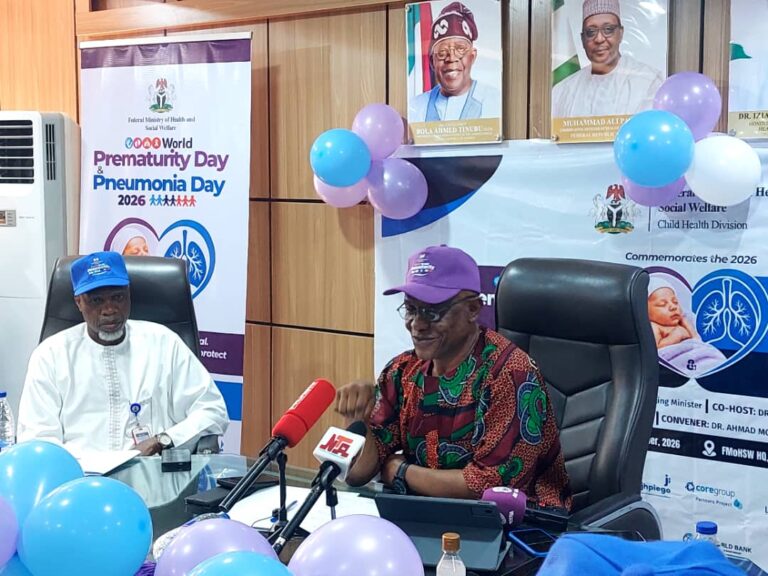
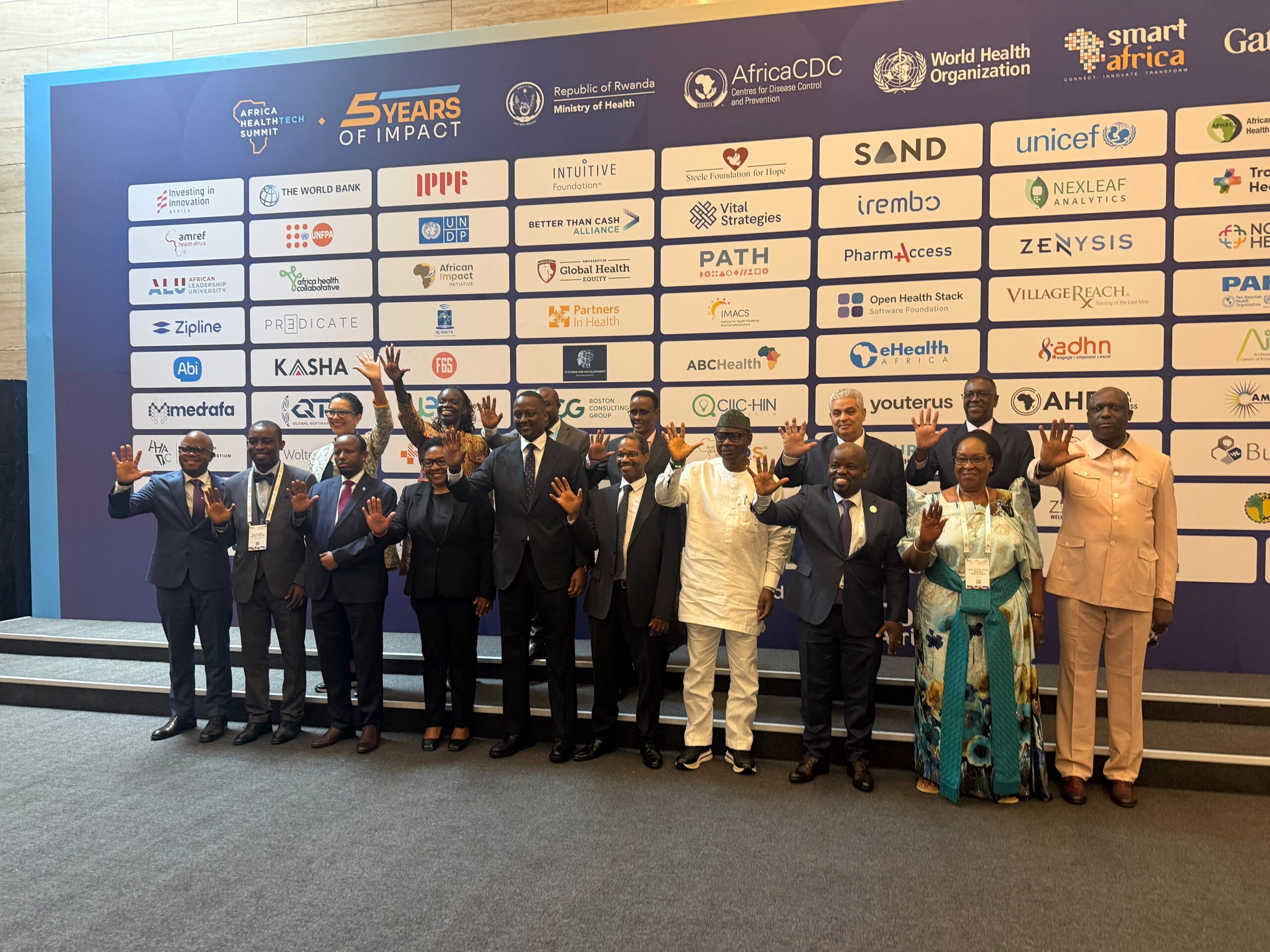
The Minister of State for Health and Social Welfare, Dr Iziaq Adekunle Salako, disclosed this on Wednesday in Kigali, Rwanda, while delivering the opening address at the 5th Africa HealthTech Summit, themed: “From Digital Ambition to Country Transformation: Building Sustainable and Intelligent Health Systems in Africa.”
Salako said Nigeria was moving away from fragmented digital health solutions towards a unified, secure and interoperable system capable of improving healthcare delivery, governance, financing and health outcomes.
According to him, the country’s experience with electronic medical record systems and other digital health programmes had shown that digitising a fragmented health system without common standards does not automatically deliver integration, efficiency or value for money.
He said Nigeria had therefore decided to begin its digital health transformation with the architecture rather than another standalone application.
The minister explained that, through the Nigeria Digital in Health Initiative, the government had developed the National Digital Health Architecture (NDHA), which was endorsed through the National Council on Health and provides a national blueprint and rules for the evolution of the country’s digital health ecosystem.
Salako said the architecture was designed to replace siloed projects with an integrated ecosystem, including a Health Information Exchange, Shared Health Record and national registries for clients, health facilities and healthcare workers.
He said the principle was to establish “one patient, one health record,” ensuring that patients would not effectively become new patients whenever they moved between facilities, programmes or levels of care.
“Our goal is a health system where information can follow the patient securely; where authorised health workers have the information they need to make better decisions; and where policymakers can see the health system more clearly and respond more effectively and efficiently,” he said.
Salako stressed that technology alone could not deliver the desired transformation without appropriate standards, governance and accountability.
He said advancing interoperability standards and addressing fragmentation among electronic medical record systems had therefore become imperative to ensure that future digital solutions could work together as part of a wider national health ecosystem.
The minister also disclosed that the National Health Technology and Data Analytics Office had recently been established by President Bola Ahmed Tinubu to strengthen governance, standardisation and coordinated implementation of Nigeria’s digital health agenda.
He said the office would coordinate the national digital health agenda, harmonise public and private institutions, promote interoperability standards and supervise the full operationalisation of the National Digital Health Architecture.
On artificial intelligence, Salako said the technology offered significant opportunities for Africa in clinical decision support, disease surveillance, supply-chain optimisation, health financing and early identification of health risks.
He, however, cautioned that African countries must first build the infrastructure required to support effective and responsible use of AI.
“Before artificial intelligence, we need intelligent infrastructure,” he said, adding that AI could not compensate for fragmented data, weak standards or systems that could not communicate.
He urged African countries to invest in interoperable architecture, trustworthy data, cybersecurity, governance and human capacity while ensuring that the continent was not merely a consumer of health technologies developed elsewhere.
Salako called for stronger collaboration among governments, development partners and the private sector to enable African innovators to develop solutions addressing the continent’s health priorities.
He also urged development partners to strengthen existing national systems rather than create parallel structures, saying investments should leave behind stronger institutions, local capacity and infrastructure that governments could sustain beyond individual projects or grants.
The minister said the ultimate objective of digital transformation should be to improve people’s lives, particularly by ensuring that health workers have the right information at the right time and policymakers can better identify emerging diseases, medicine shortages and areas requiring resources.
He said Africa’s ambition should therefore go beyond simply digitising healthcare to building health systems capable of learning, connecting, anticipating and responding to health needs.
READ ALSO: Nigeria @66th: Nigeria Has Entered Age of Prosperity, No Looking Back – Say Tinubu
A Comedy of Errors of the Framework Il-literati
Salako further stressed the importance of equity as African countries embrace AI, robotics and data-driven healthcare, insisting that technology must close rather than widen existing healthcare gaps.
He said Nigeria remained committed to learning from and sharing experiences with other African countries, adding that the continent could play a role in shaping the future of digital health.
About The Author