The proposed establishment of a Federal Technical College in Nasarawa Burkullu, Zamfara State, has been described as a strategic intervention to tackle youth unemployment, vulnerability and the economic effects of insecurity in the North-West.
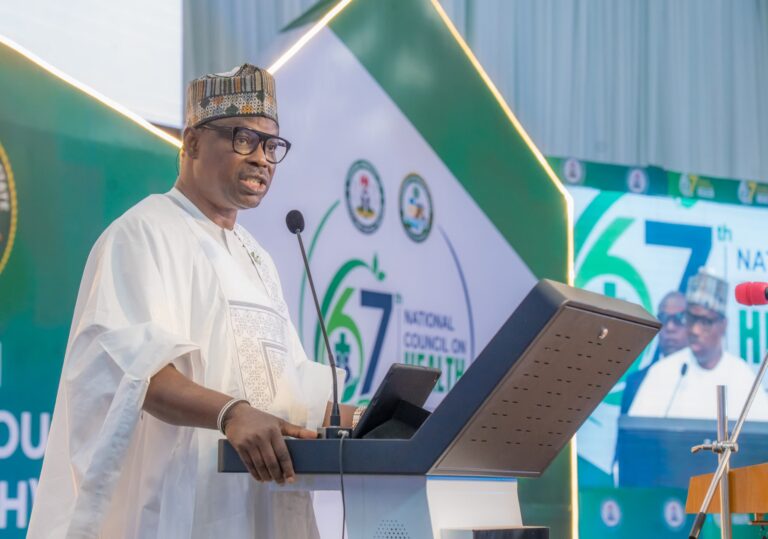
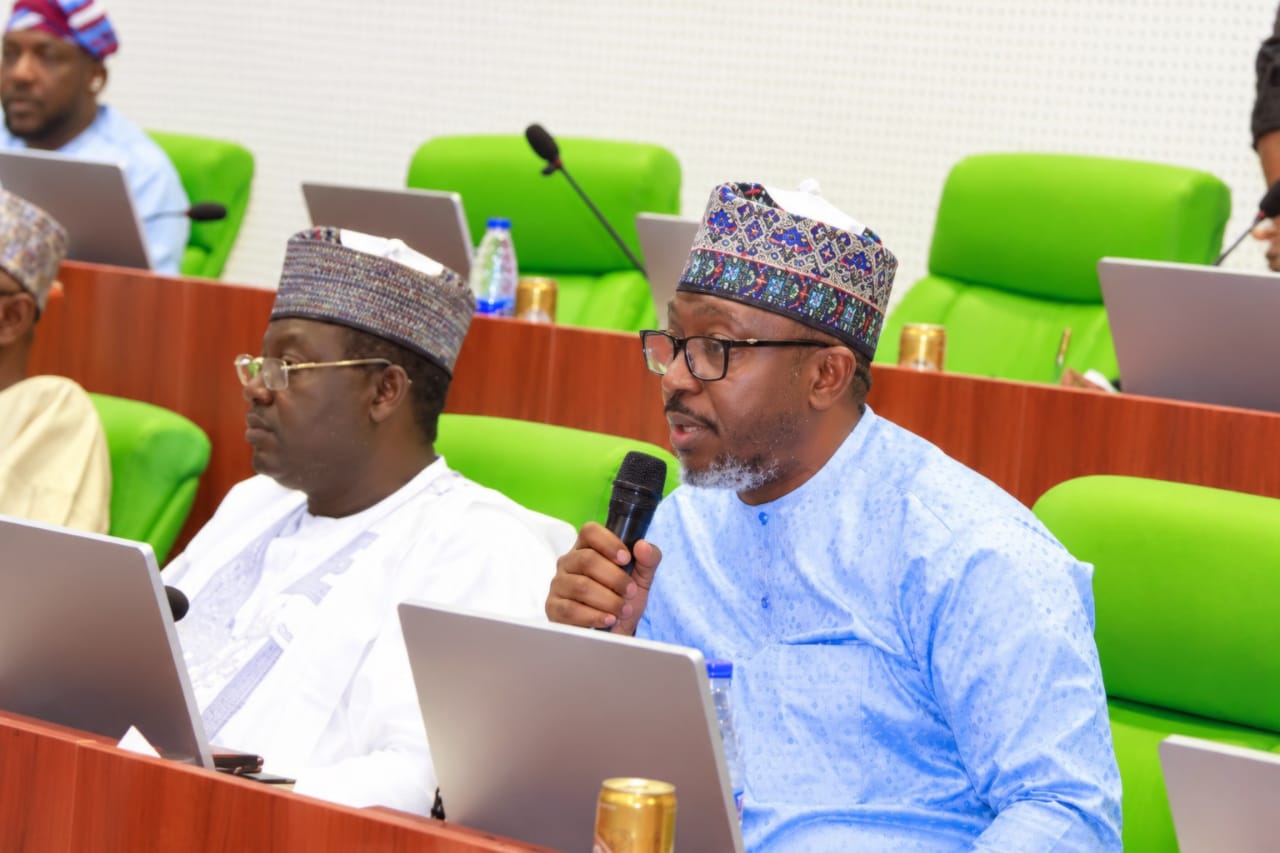
Speaker of the House of Representatives, Hon. Tajudeen Abbas, stated this on Wednesday in Abuja while declaring open a one-day public hearing on a Bill seeking an Act to establish the Federal Technical College, Nasarawa Burkullu, Zamfara State.
Abbas, represented by Hon. Abubakar Hassan III, said prolonged insecurity had disrupted farming, education and economic activities in Zamfara and other parts of the North-West, making skills development critical to restoring hope and creating legitimate economic opportunities for young people.
“When we give them skills, we give them alternatives. We give them a stake in the stability of the nation. Technical education is therefore a security strategy, an economic strategy, and a social strategy all in one,” he said.
The Speaker said Nigeria could no longer afford to place disproportionate emphasis on certificates while neglecting practical skills, noting that the country was producing graduates without jobs alongside jobs without adequately skilled personnel.
He said the global economy increasingly rewarded skills, competence and problem-solving abilities, adding that countries such as China, Germany and South Korea had recorded significant progress through deliberate investment in technical and vocational education.
Abbas said the 10th House of Representatives had therefore made skills acquisition, entrepreneurship and youth empowerment legislative priorities, in line with the Federal Government’s renewed agenda on Technical and Vocational Education and Training (TVET).
According to him, the proposed college goes beyond establishing another educational institution, as it would help bridge the skills gap and enable young Nigerians to acquire practical competencies in areas such as electrical installation, welding, construction, solar technology, fabrication and ICT.
He urged the Federal Ministry of Education, National Board for Technical Education (NBTE), academia, professional bodies and community leaders to make robust contributions to the Bill to ensure that the proposed institution would be relevant, sustainable and impactful when established.
Earlier, Chairman of the House Committee on Alternative Education, Hon. Ibrahim Aliyu Almustapha, said the increasing demand for skilled labour globally underscored the need for Nigeria to strengthen technical education.
Almustapha said establishing the college would empower youths with practical skills, promote local industries and entrepreneurship, create employment opportunities and make education more accessible to people in underserved communities.
The sponsor of the Bill, Hon. Abubakar Sulaiman Gummi, said Nigeria could not achieve industrial development without deliberate investment in technical and vocational education.
Gummi said the proposed college was also a matter of equity, noting that the North-West had more than 50 million people, while Zamfara remained the only state in the zone without a Federal Science and Technical College.
He said the situation in Zamfara made the intervention particularly important because years of insecurity and displacement had denied many young people access to education and sustainable livelihoods.
“We need interventions that go beyond conventional education. Technical education provides practical, marketable skills that lead to legitimate employment and entrepreneurship, restore economic resilience, and reduce vulnerability to criminal recruitment,” Gummi said.
Also speaking, Engr. Kasimu Abdullahi Burkullu said the proposed college would help reduce youth unemployment and promote self-reliance in Zamfara.
READ ALSO: ARUVIN Links Ruminant Health to Food Security, Rural Income, National Economy
FG, Katsina Govt Launch 15 Ambulances, 238 Tricycles, Commission N2.059bn General Hospital
Burkullu said the institution would expand access to technical education in Zamfara and the North-West, address disparities in the distribution of federal technical colleges and equip youths with employable and entrepreneurial skills.
He urged the committee to expedite action on the Bill, stressing that the establishment of the college would contribute to sustainable development in Zamfara, particularly amid the security challenges confronting the state.
About The Author