By Fatima Saka
The Civil Society Scaling Up Nutrition in Nigeria (CS-SUNN) has urged Lagos Island Local Government to make nutrition a budget priority by creating identifiable funding lines across relevant departments to tackle child malnutrition at the grassroots.
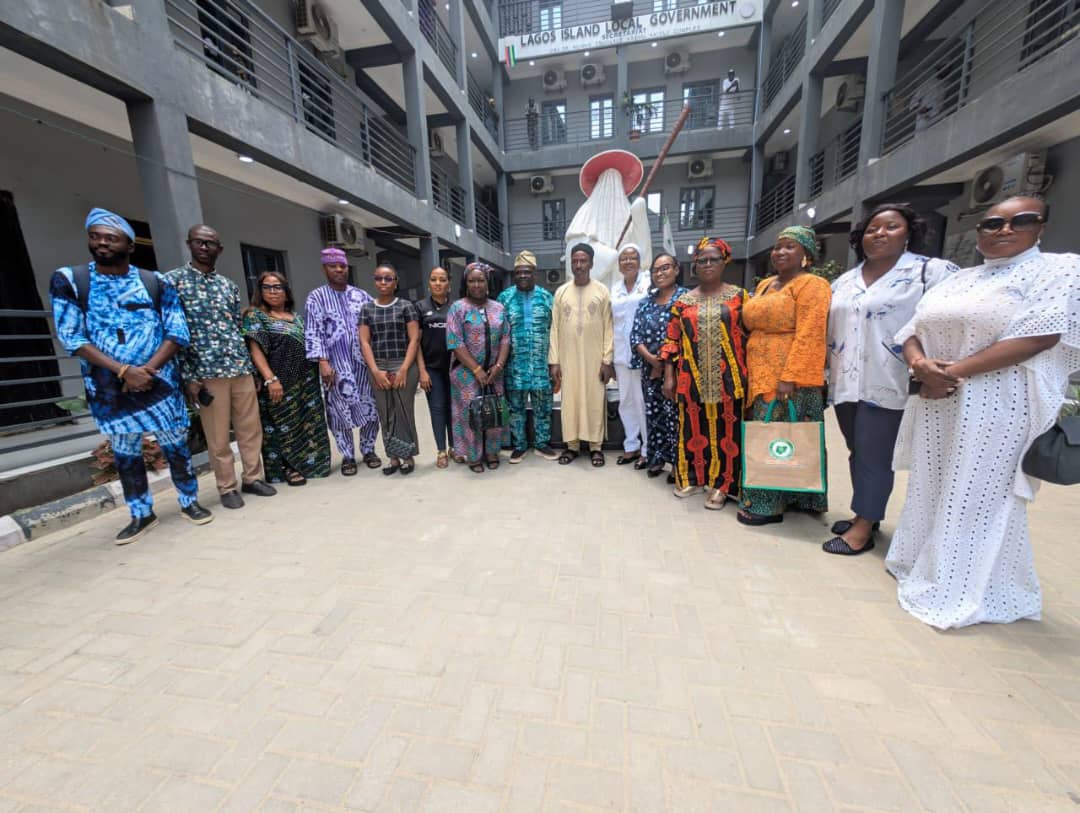
The advocacy group made the call during an advocacy meeting with heads of departments and officials of the council, stressing that malnutrition could not be addressed through isolated programmes such as school feeding and healthcare services.
Kunle Ishola, Senior Programme Manager, CS-SUNN, said the council must activate its Local Government Committee on Food and Nutrition (LGCFN) and ensure that nutrition became a shared responsibility involving health, agriculture, education, water and sanitation, information and women affairs.
Ishola said the committee was necessary to enable the council to develop a coordinated approach to nutrition, adding that local governments should first demonstrate ownership through planning and budgeting before seeking support from development partners.
He explained that nutrition went beyond food availability, distinguishing between food security and nutrition security.
According to him, a community may have sufficient food without its residents having access to the nutrients required for healthy growth and development.
Ishola said agriculture could contribute by promoting nutrient conservation across the food value chain, while information departments could use radio, jingles, drama and other communication platforms to improve public awareness on nutrition.
He also identified water, sanitation and hygiene as critical components of nutrition interventions, noting that illnesses such as diarrhoea could contribute to nutrient loss.
He urged health departments to strengthen nutrition screening and counselling, rather than waiting until children became severely ill before intervention.
CS-SUNN said the first years of life were particularly critical, identifying stunting, wasting and underweight as major indicators of child malnutrition.
It cited a national figure of 40 per cent for children under five affected by stunting, noting that poor nutrition in early childhood could impair cognitive development and affect children’s performance in school.
The organisation also stressed the importance of exclusive breastfeeding for the first six months, early initiation of breastfeeding and the use of colostrum, described as a child’s first immunisation.
Nutrition focal person, Mrs Cecilia Rhodes, said mothers should ideally initiate breastfeeding within 30 minutes to one hour after delivery and maintain exclusive breastfeeding for six months unless medically contraindicated.
Rhodes said nutrition screening should cover children aged zero to 59 months to ensure that moderate and severe acute malnutrition were detected and treated early.
She identified community trackers and mobilisers, antenatal clinics and child welfare services as important channels for nutrition counselling.
According to her, the state has provided multiple micronutrient supplements for pregnant women and ready-to-use supplementary food, while some cases are followed up through Massey Children’s Hospital.
She, however, noted that funding constraints had affected some interventions, including food demonstration clinics.
The meeting also highlighted the need to integrate existing council programmes into a broader nutrition strategy.
Dr Shakirudeen Idowu Lawal, Head of Education at the council, said the Lagos Island Local Government had introduced school feeding partly to improve school enrolment and encourage children to attend school.
Lawal said children receive fruits on Tuesdays and Thursdays before their regular meals, adding that nutrition officials could support schools in strengthening the programme and extend nutrition education to primary healthcare centres and antenatal services.
Mrs Aderonke Fagbemi, Head of Budget, said the council’s budgeting process offered an important opportunity to address malnutrition.
Fagbemi said the council was willing to collaborate with nutrition advocates and expressed the need for reliable data to enable it identify nutrition challenges and reduce stunting.
The agriculture department also pledged support for the initiative.
Mr Hassan Saka, Head of Agriculture, said the council chairman was personally committed to nutrition and had chosen to chair the nutrition committee.
Saka said the council already supported vulnerable residents through food distribution, including rice, cows and pepper, as well as food provided for breaking the fast during periods of fasting.
He said collaboration with CS-SUNN could help the council better coordinate existing interventions and strengthen its nutrition response.
Financing emerged as a major concern during the meeting, with Saka asking whether organisations supporting nutrition could provide financial assistance to local governments.
CS-SUNN explained that development partners generally seek evidence of government commitment, functional structures and clear implementation plans before providing support.
The organisation cited Bauchi as an example, saying it had worked with four local governments to establish and train LGCFNs, after which the committees began meeting and nutrition was incorporated into departmental budget lines for 2027.
Sodangi Adams Chido, a member of the CS-SUNN steering committee, said grassroots structures were essential because Nigeria’s nutrition challenges could not be addressed solely from Abuja or state capitals.
Chido referred to the Nutrition 774 initiative from the Office of the Vice President, which targets all 774 local government areas, and urged Lagos Island to develop a costed work plan clearly assigning nutrition responsibilities to departments.
He said local government autonomy offered Lagos an opportunity to demonstrate the impact of coordinated grassroots action on nutrition.
Chido said Bauchi’s 20 local governments had contributed N5 million each in the previous year towards the purchase of ready-to-use therapeutic food, while lawmakers in Bauchi and Jigawa had also supported nutrition interventions.
He added that Lagos, with its stronger revenue base, could mobilise resources from government, the private sector and wealthy individuals to support nutrition programmes.
CS-SUNN therefore urged Lagos Island Local Government to ensure that the LGCFN meets quarterly, develops a costed work plan and establishes clear nutrition-related budget lines across relevant departments.
The organisation said health and agriculture should lead nutrition-specific interventions, while information, women affairs, education, environment and water, sanitation and hygiene departments should support nutrition-sensitive interventions.
The Lagos State nutrition framework, according to CS-SUNN, already provides for broad representation on the local committee, including the council chairman, council manager, planning and budget officials, agriculture, environment, primary healthcare, nutrition, information, education, women affairs, civil society and other stakeholders.
READ ALSO: NEDC Shifts Focus From ISO Certificates to Measurable Development Impact in North-East Nigeria
BRICON @10: Cancer Survivors Urged to Reject Stigma, Embrace Life Beyond Diagnosis
The advocacy group said the priority was now to translate the framework into action by linking school meals, maternal counselling, agricultural programmes, food distribution, public information and healthcare services into a coordinated nutrition strategy.
The advocacy visit ended with engagements at the Lagos Island Council Development Area office, including meetings with the chairman’s chief of staff and heads of agriculture, women affairs and information.
About The Author