Nigeria and India have moved to revive bilateral trade, which has fallen from about $14 billion in previous years to roughly $9 billion annually, with crude oil purchases, technology, pharmaceuticals, defence and clean energy identified as key areas for renewed cooperation.
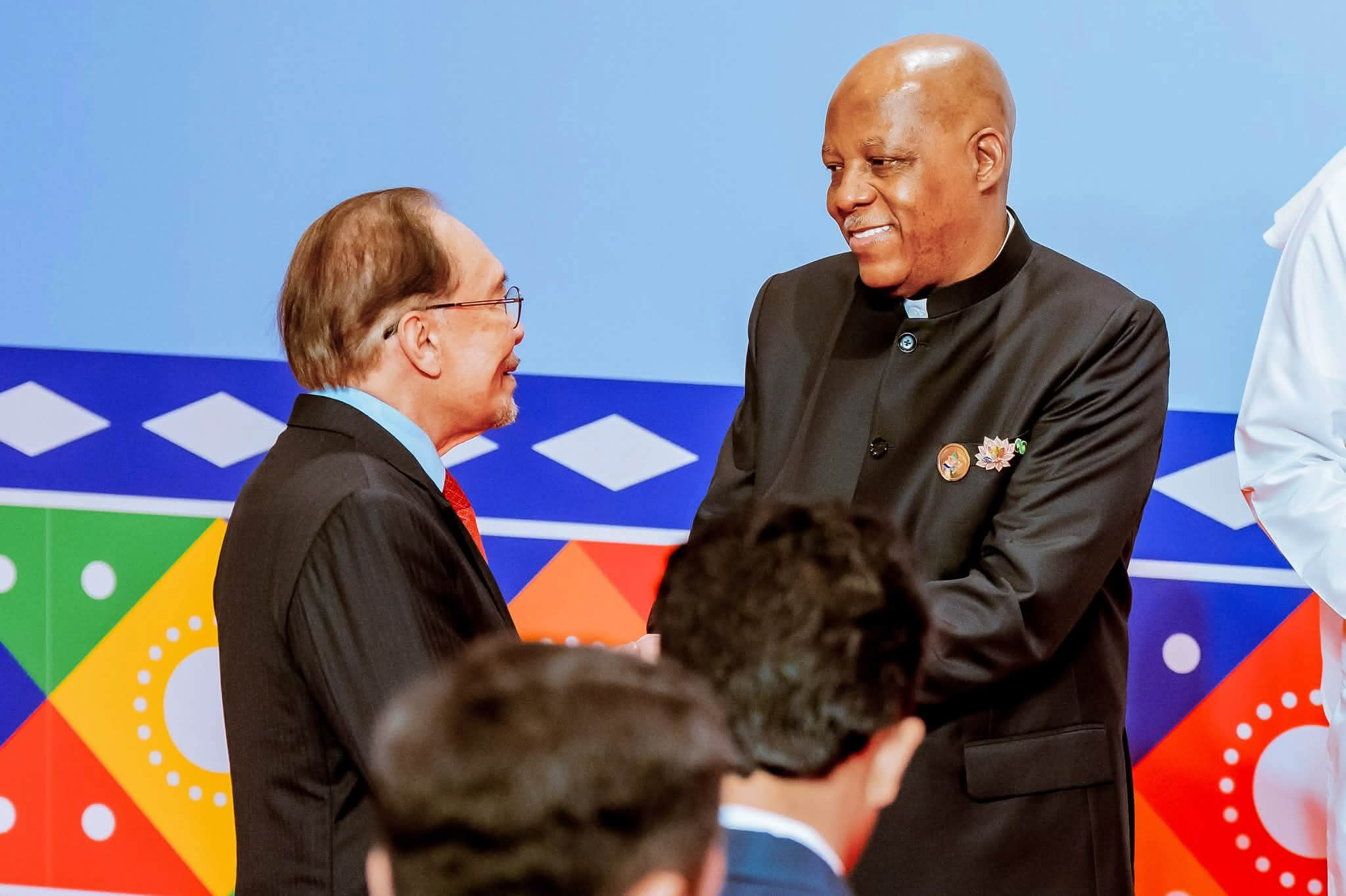
The development followed a meeting between Vice President Kashim Shettima and Indian Prime Minister Narendra Modi on the sidelines of the 18th BRICS Leaders’ Summit in New Delhi, where both countries committed to strengthening economic ties across major sectors.
Modi specifically urged Nigeria to resume stronger crude oil supplies to India, arguing that increased purchases would help reverse the decline in bilateral trade and deepen economic relations between the two countries.
The Indian Prime Minister also expressed appreciation to Nigeria for peacefully hosting and protecting about 80,000 Indians living in the country.
Shettima, who represented President Bola Tinubu at the meeting, said Nigeria would consider the request, while stressing the administration’s interest in strategic partnerships capable of accelerating investment and economic opportunities for Nigerians.
He identified pharmaceuticals, defence, the creative industry and digital technology as priority sectors, noting that President Tinubu was keen to develop industries that could create opportunities for millions of Nigerian youths through foreign investment, technology transfer and strategic partnerships.
The meeting also explored cooperation in oil and gas, renewable energy, power, clean energy, capacity building, health and technology, underscoring the two countries’ interest in expanding trade beyond traditional areas.
The renewed economic push came as President Tinubu, in an address delivered by Shettima at the BRICS summit, called for a transformation of global governance and international financial institutions to make them more representative, equitable and responsive to current economic and demographic realities.
Tinubu said Nigeria supported reform of the United Nations Security Council and the international financial system, arguing that BRICS had strengthened the voice of the Global South in the global order.
He urged BRICS members and partners to move “from dialogue to delivery, from commitments to implementation, and from cooperation to measurable development outcomes.”
The President also positioned Nigeria as a gateway to Africa’s expanding market under the African Continental Free Trade Area, inviting investors to take advantage of the country’s opportunities.
He said Nigeria was seeking deeper BRICS cooperation in artificial intelligence, digital public infrastructure, fintech, telecommunications, cybersecurity, biotechnology and advanced manufacturing.
According to him, Nigeria must move beyond consuming technology to producing technology, creating knowledge and owning intellectual property.
“A nation that owns no technology risks renting its future,” Tinubu said.
He further identified trade, agriculture, food security, energy, infrastructure, manufacturing, healthcare and critical minerals as areas where BRICS cooperation could promote technology transfer, local value addition, industrial capacity and job creation.
The President said Nigeria’s economic resilience strategy was anchored on reforms designed to strengthen macroeconomic stability, diversify production, raise productivity, expand infrastructure and human capital, attract investment and deepen climate resilience.
He also highlighted initiatives including 3MTT, Project BRIDGE and national artificial intelligence programmes as part of efforts to equip young Nigerians with digital skills and expand technology-enabled businesses.
On climate and energy, Tinubu said Nigeria was seeking affordable climate finance, technology transfer and capacity building, while supporting cooperation in renewable energy, gas, clean technologies, climate-smart agriculture, sustainable infrastructure and responsible development of critical minerals.
He said such partnerships must ultimately translate into jobs, expanded trade, technology transfer and stronger productive capacity across participating countries.
Earlier, Modi, while opening the BRICS summit, said confidence in the bloc among Global South countries was growing because their voices were increasingly being heard and their experiences respected.
READ ALSO: Nigeria Airways Workers Get Relief, FG Releases ₦18bn Severance Benefits
Enugu Building Collapse: One Dead, Rescuers Search for More Victims
He said BRICS’ strength lay in its diversity and cooperation, with initiatives such as BRICS CONNECT, the BRICS MSME Cooperation Portal and the BRICS Urban Mobility Hub designed to promote skills, employment, enterprise development and knowledge-sharing.
Modi also stressed the importance of balancing economic development with environmental responsibility, saying sustainability should remain central to BRICS cooperation.
About The Author