By Fatima Saka
Ten years after the Federal Government launched the Ogoni Cleanup Programme, the Hydrocarbon Pollution Remediation Project (HYPREP) has commenced the second phase of shoreline cleanup and mangrove restoration to accelerate the recovery of Ogoniland’s degraded ecosystems.
The second phase was flagged off at Patrick Waterside, Bodo City, Gokana Local Government Area of Rivers State, as part of activities marking the 10th anniversary of the Ogoni Cleanup Programme.
The event also featured the unveiling of a remodelled Ogoni Cleanup Plaque, presentation of International Maritime Organisation (IMO) certificates to 1,420 community workers and the handover of Ogoni Wetlands Ramsar certificates to the chairmen of the four local government areas in Ogoniland.
The Minister of Environment and Chairman of the HYPREP Governing Council, Balarabe Abbas Lawal, who performed the flag-off and unveiled the plaque, said the monument represented a lasting symbol of the Federal Government’s commitment to restoring the environment and improving the lives of the people of Ogoni.
Lawal said the return of the plaque to the historic site 10 years after the commencement of the cleanup demonstrated that the Federal Government had not abandoned its commitment to the people of Ogoniland.
He said the administration of President Bola Ahmed Tinubu remained committed to implementing the recommendations of the United Nations Environment Programme (UNEP), adding that the elevation of HYPREP to a national priority since 2023 had significantly accelerated remediation and livelihood restoration activities.
The minister said interventions under the project had expanded beyond environmental remediation to include potable water supply, public health, the Ogoni Power Project, Ogoni Specialist Hospital, Cottage Hospital in Buan and capacity-building initiatives.
He urged stakeholders to sustain constructive engagement, transparency and mutual respect, noting that continued partnership was critical to ensuring that the gains of the cleanup translated into tangible benefits for the people.
According to Lawal, the 10th anniversary was an opportunity to celebrate achievements while also confronting outstanding challenges and charting a clear course for the next phase of the intervention.
He disclosed that HYPREP had commenced the development of a five-year Strategic Plan for 2026–2031, which would guide the completion of outstanding projects, sustain restored ecosystems, prevent re-pollution and strengthen community ownership of the cleanup process.
The minister also called for the strengthening of HYPREP’s sustainability and post-remediation management framework, saying it should be integrated into the new strategic plan to protect investments made by government and its partners.
Lawal maintained that the Federal Government’s intervention in Ogoniland was anchored on two major objectives: restoring the degraded environment and restoring the livelihoods and wellbeing of the people.
He expressed confidence that the next decade would produce stronger evidence of ecosystem recovery, restored livelihoods and improved prosperity across Ogoniland, while assuring stakeholders of continued government and international support.
The Project Coordinator of HYPREP, Prof. Nenibarini Zabbey, said the second phase of the shoreline and mangrove restoration would deepen the project’s efforts to rehabilitate degraded coastal ecosystems across Ogoniland.
Zabbey disclosed that the 1,420 community workers who received IMO and swimming certificates were beneficiaries of HYPREP’s livelihood and capacity-building programmes, noting that their engagement had contributed to raising the number of direct jobs created by the project for Ogoni youths and women to more than 8,500.
He said the project was already recording encouraging signs of ecological recovery, including the gradual return of fish and other aquatic species to restored areas.
The HYPREP coordinator also noted that the designation of the Ogoni mangrove wetland as a Ramsar Site of International Importance had placed additional responsibility on communities to protect the restored ecosystems.
He appealed to shoreline communities to stop overharvesting and indiscriminate cutting of mangroves, warning that uncontrolled exploitation could reverse the ecological gains recorded under the cleanup programme.
Zabbey said HYPREP would continue to sensitise communities on responsible resource use and the protection of the ecological character of the Ogoni mangrove wetland.
He described the Centre of Excellence for Environmental Restoration at Wiiyaakara, Khana LGA, as one of the major physical symbols of progress under the Ogoni Cleanup Programme, saying the facility would support research, training, partnerships and knowledge development in environmental restoration.
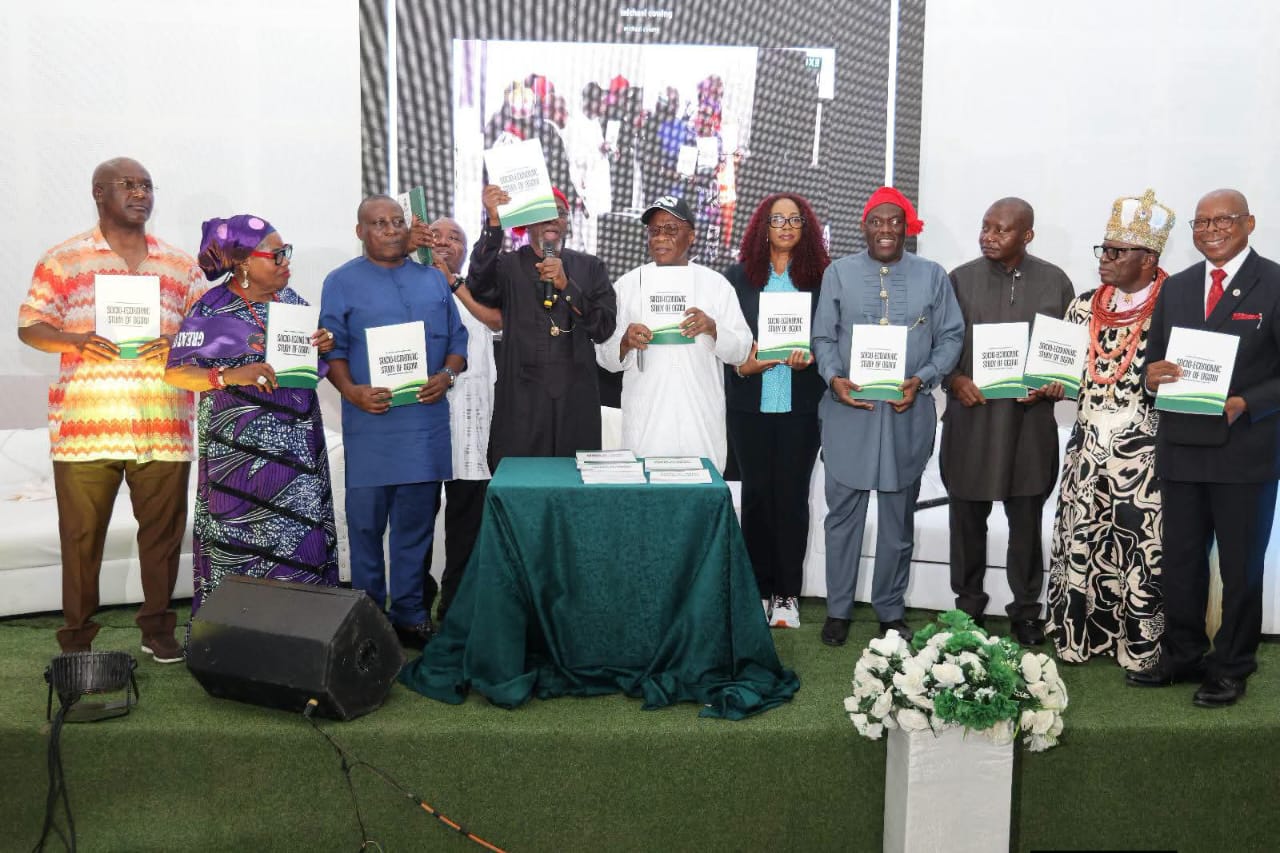
The anniversary activities at the centre included the unveiling of the Socio-Economic Study of Ogoni, screening of a documentary on the transformational cleanup, a panel discussion on “The Ogoni Cleanup—The Journey So Far,” cultural displays and goodwill messages.
Stakeholders at the event commended HYPREP for interventions recorded across Ogoniland and urged Ogoni leaders and residents to put aside internal differences and take advantage of the Federal Government’s support to advance the cleanup and development of the region.
Those who delivered goodwill messages included the Minister of Regional Development, Engr. Abubakar Momoh; Senator Magnus Abe; Senator Olaka Nwogu; Rt. Hon. Dum Dekor; Hon. Emmanuel Deeyah; and HM (King) Philip Obele of Eleme Kingdom.
READ ALSO: Blackmail:NIDCOM Dismisses Auditor-General’s Report, Vows to Respond to Relevant Authorities
Southwest and the power of early preparation
Other dignitaries included representatives of the Minister of Budget and National Planning, Chairman of the Board of Trustees of the Ogoni Trust Fund, Rt. Hon. Emmanuel Deeyah; members of the HYPREP Governing Council; representatives of Renaissance Africa Energy Company Ltd.; former MOSOP President, Legborsi Pyagbara; KAGOTE President, Chief Lesi Maol; traditional rulers, religious leaders, community representatives, women and youth groups, civil society organisations and development partners.
The panel discussion featured Prof. Barineme Fakae, Dr. Celestine Akpobari, HM (King) Samuel Nnee, Comrade Legborsi Pyagbara, Chief Priscilia Vikue and Ndume Green.
About The Author