By Fatima Saka
Energy experts have called on the Federal Government to adopt an evidence-based and phased approach to its proposed ban on solar panel importation, warning that a hasty decision could worsen Nigeria’s already fragile energy situation.
The call was made during a two-day media training workshop on energy reporting and solar policy, held from Wednesday to Thursday. The workshop brought together stakeholders from government, academia, civil society, and the private sector to examine Nigeria’s energy crisis and the role of renewable energy in addressing it.
The training, designed to strengthen journalists’ capacity to report accurately on Nigeria’s energy transition, highlighted key issues including energy poverty, policy direction, and the growing reliance on solar power across the country.
Speaking at the event, the Nigeria Campaign Director for the Secure Energy Project, Mr. Joseph Ibrahim, underscored the depth of Nigeria’s energy deficit. He noted that energy goes beyond electricity, describing it as a fundamental driver of productivity and economic activity.
Despite Nigeria’s population of over 200 million, Ibrahim said the national grid generates only about 5,000 megawatts—equivalent to roughly 24.5 watts per person—an amount he described as grossly inadequate for daily living.
He added that about 85 million Nigerians still lack reliable access to electricity, making alternative energy sources like solar increasingly indispensable, particularly in underserved communities.
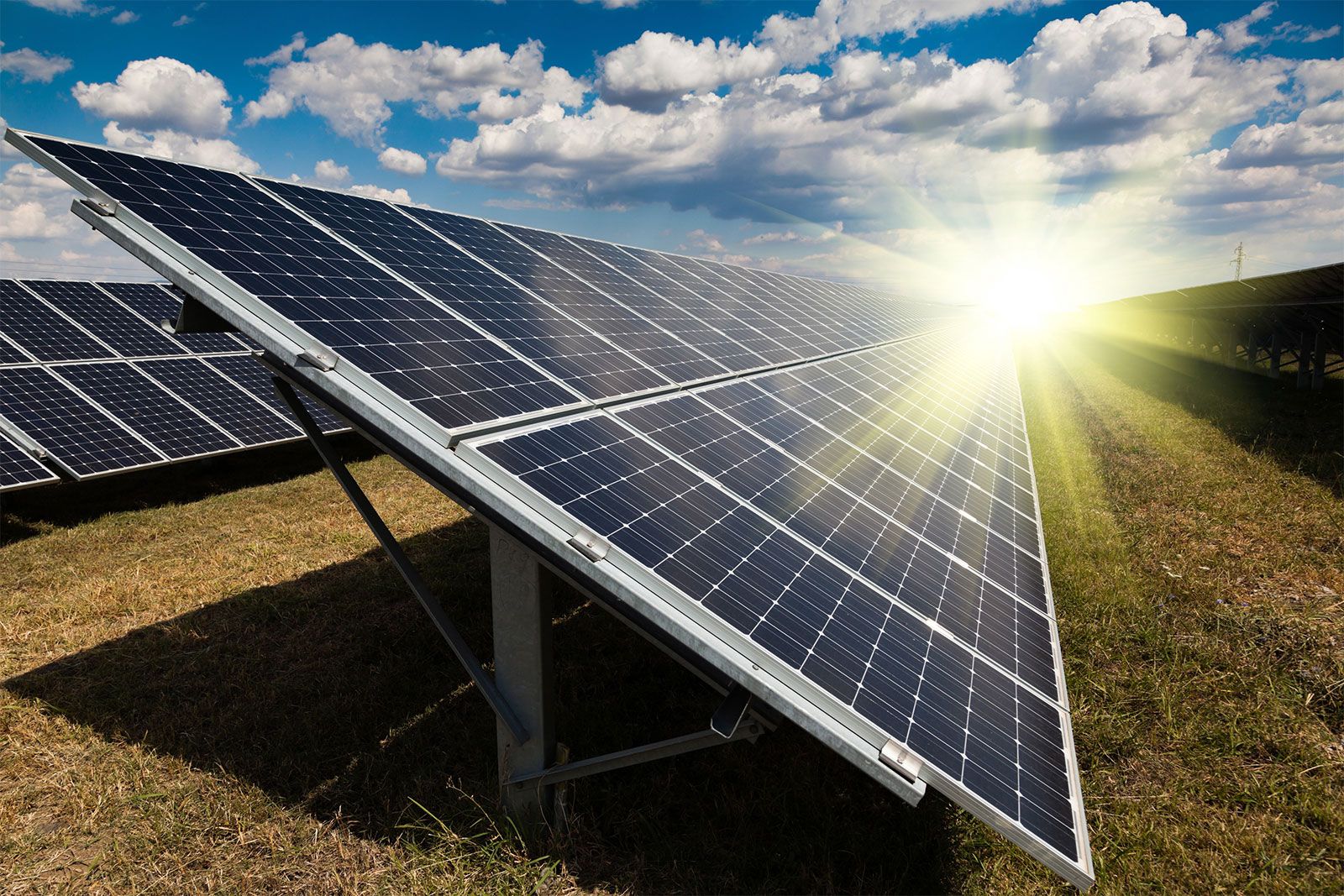
Discussions at the workshop also focused on the Federal Government’s proposed ban on solar panel imports, a policy that has sparked widespread concern among stakeholders.
Dr. Asonibare Femi of the West African Science Service Centre on Climate Change and Adapted Land Use cautioned against an immediate transition away from imports. While acknowledging the importance of renewable energy, he stressed that solar power cannot yet fully replace conventional energy sources due to existing infrastructure gaps.
He advocated for a gradual transition strategy, noting that global market dynamics, including reductions in international subsidies, could drive up the cost of solar panels if imports are abruptly halted.
On inclusivity, the National Coordinator of Green Faith Nigeria, Mr. Lucky Abeng, emphasized the need for broader stakeholder engagement in energy policymaking. He called for the inclusion of faith-based organisations, noting their strong influence and reach in grassroots communities.
Abeng stressed that energy policies must prioritise accessibility, particularly for rural and underserved populations, to ensure no group is left behind in the transition process.
The issue of data transparency also featured prominently. Mr. Daniel Oladuja, Country Lead for GSEC and Founder of African Energy Tracker, criticised the lack of empirical evidence supporting the proposed import ban.
According to him, available data suggests that a majority of Nigerians oppose the policy. He warned that implementing such a ban without a clear roadmap could disrupt access to solar solutions and slow progress in closing the energy gap.
Oladuja instead advocated for policies that would gradually reduce dependence on imports while simultaneously boosting local manufacturing capacity.
Reflecting on the workshop, the newly appointed National Media Network Coordinator for the Secure Energy Media Network, Mr. Farouk Umar, highlighted the importance of equipping journalists with the tools to effectively report on energy issues.
He noted that millions of Nigerians, particularly in rural areas, remain without electricity, adding that improved reporting can help spotlight both the impact of solar energy and the consequences of policy decisions.
READ ALSO: 2,300 Corps Members Sworn in for 2026 Batch ‘A’ Stream 2 Orientation in Anambra
Tinubu Endorses Senators’ Re-election Bid, Says They Deserve Right of First Refusal – OYIGG
Meanwhile, the stakeholders called for sustained dialogue between government, industry players, and other critical actors. They stressed that any move to restrict solar panel imports must be backed by clear policies aimed at strengthening local production and ensuring energy affordability.
The experts further stressed that achieving sustainable energy access in Nigeria requires consistent, well-coordinated policies, warning that energy is not merely a technical concern but a critical issue of equity and national development.
About The Author