
Abuja, Nigeria — As global supply disruptions continue to threaten agricultural productivity, an expert has called on the Federal Government to urgently scale up local production of organic fertilizer and moringa to cushion the impact of rising food insecurity.
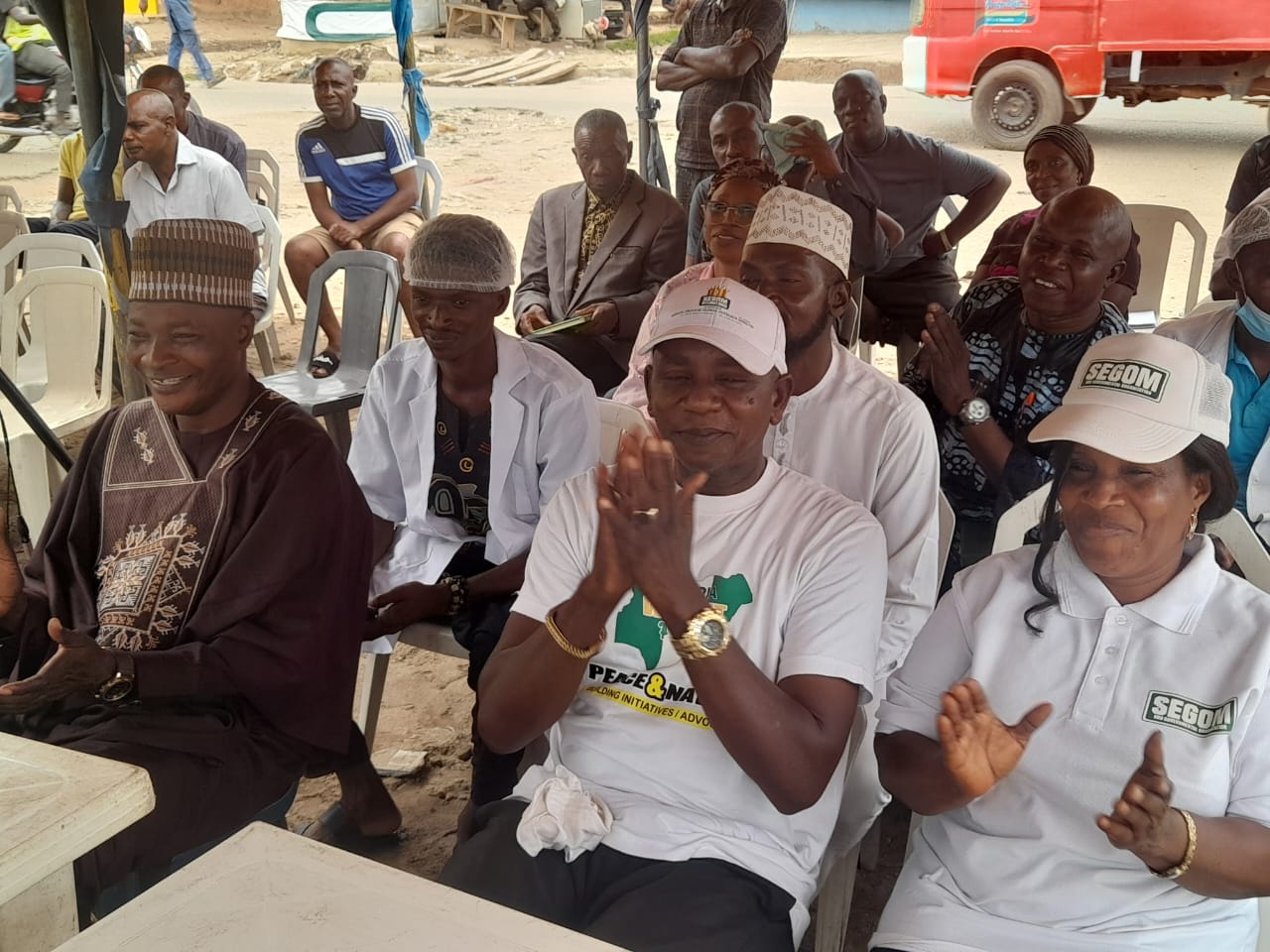
The Founder and Chairman of Eden Moringa Productions and Marketers Limited, Dr. Ashimashiga Michael Akoloaga, made the appeal over the weekend during the opening of Moringa House in Nyanya, Abuja.
Akoloaga warned that many Nigerian farmers are currently struggling due to a shortage of chemical fertilizers, linking the crisis to the ongoing Middle East tensions involving the United States, Israel, and Iran, which have disrupted global supply chains.
According to him, the reported blockade of the Strait of Hormuz has significantly affected shipments of essential raw materials used in fertilizer production, leading to sharp increases in prices—particularly nitrogen-based fertilizers critical for crop yields.
The International Monetary Fund (IMF) has also raised concerns, noting that the conflict has cast a shadow over sub-Saharan Africa’s economic outlook. The IMF estimates that a 20 percent rise in global food prices could push over 20 million people in the region into moderate or severe food insecurity.
Akoloaga cautioned that Nigeria’s food production could face serious setbacks if urgent steps are not taken to promote homegrown alternatives, stressing that reliance on conventional fertilizers is no longer sustainable.
He noted that even large-scale producers such as Dangote Refinery cannot meet the fertilizer demands of the country’s agricultural sector alone.
The moringa advocate also criticized what he described as unfavourable government policies affecting private enterprises, urging authorities to create a more enabling business environment to drive job creation and reduce insecurity.
Highlighting the economic and health benefits of moringa, Akoloaga argued that increased investment in its production could help tackle poverty, unemployment, and health challenges in Nigeria.
“There are many illnesses that conventional medicine struggles to address, which natural products like moringa can help manage,” he said.
In his remarks, the Founder of Segom International, Professor Samuel Eduviere, called for stronger collaboration between the government and Eden Moringa Productions to develop policies that stimulate economic growth.
Eduviere appealed to Bola Ahmed Tinubu to support initiatives that can generate employment opportunities for youth and women while improving public health outcomes.
Similarly, pharmacist Dr. Ignatius Onah urged both the government and citizens to embrace natural herbal solutions, including moringa, as part of a broader shift toward preventive healthcare.
READ ALSO:HEDA Call for Swift Justices for Court Orders Arrest of Sadiya Umar-Farouq Over Alleged Fraud
NIGAV Awards: New King, Queen of Air Crowned
He emphasized the importance of “defensive nutrition,” noting that poor dietary habits remain a major contributor to disease, and highlighting the limitations of orthodox medicine in addressing some health conditions.
Stakeholders at the event agreed that without decisive government intervention and increased investment in sustainable agricultural inputs, Nigeria risks deepening its food crisis amid global uncertainties.
About The Author