By Fatima Saka
The Nigeria Govenment has called for urgent reforms of global governance institutions, including a demand for permanent African representation on the United Nations Security Council, as it addressed world leaders at the 18th BRICS Foreign Ministers Meeting in New Delhi.
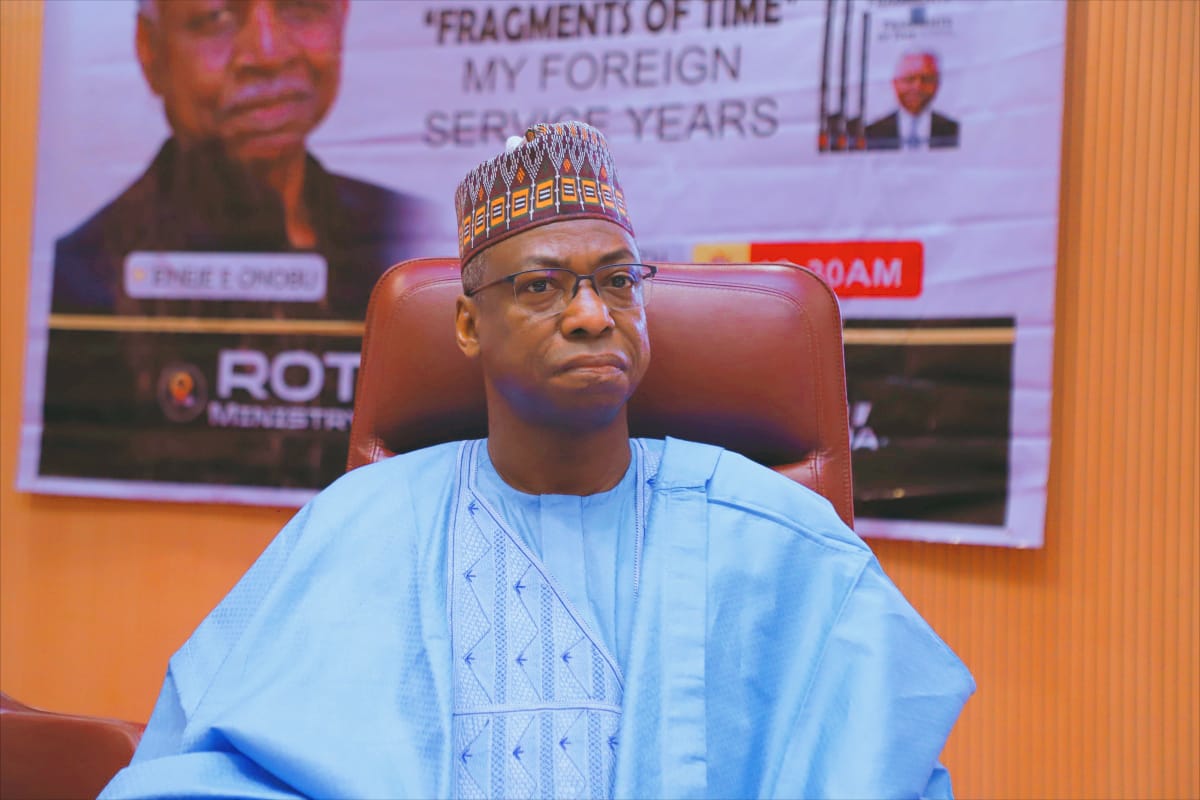
Delivering Nigeria’s national statement, Permanent Secretary of the Ministry of Foreign Affairs, Ambassador Dunoma Umar Ahmed, stressed that the current global system is outdated and no longer reflects present-day realities, particularly the exclusion of Africa from top decision-making bodies.
Speaking at the meeting chaired by India’s Foreign Minister, Subrahmanyam Jaishankar, Ahmed said Nigeria was ready to assume a leadership role in representing Africa on the global stage.
He described the absence of Africa—home to over 1.4 billion people—from permanent membership of the United Nations Security Council as “neither justifiable nor sustainable.”
“Nigeria stands prepared to assume this responsibility. We are ready to represent Africa’s voice with integrity, balance, and strength,” he declared.
Nigeria aligned itself with the vision of BRICS as a growing force advocating for a more equitable and multipolar world order. Ahmed noted that global governance structures must evolve to reflect the interests of developing nations rather than a “privileged few.”
He warned that rising geopolitical tensions, economic rivalries, and technological divides are weakening multilateral cooperation and widening inequality across nations.
According to him, institutions such as the United Nations, African Union, and ECOWAS are under increasing strain due to conflicts and cross-border insecurity.
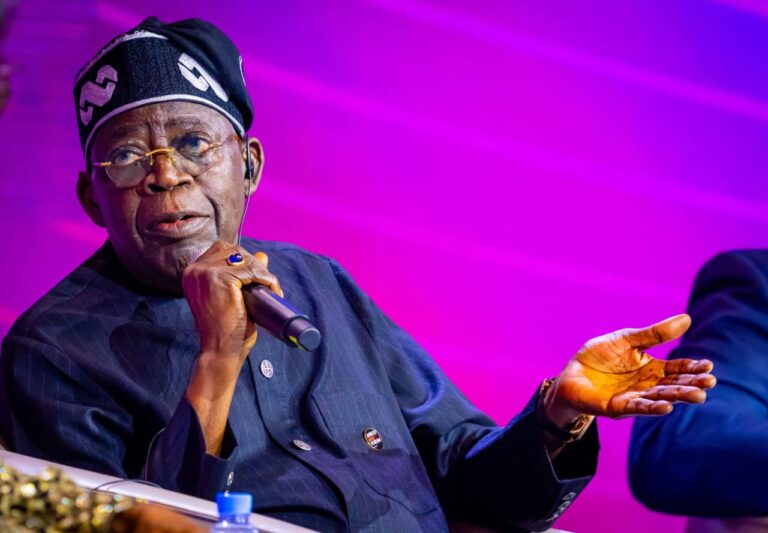
Ahmed also used the platform to spotlight Nigeria’s domestic reforms under President Bola Ahmed Tinubu, describing them as practical steps toward strengthening democracy, boosting economic diversification, enhancing security, and empowering citizens.
He said Nigeria’s internal reforms align with broader global efforts to promote fairness, inclusivity, and sustainable development.
Nigeria further called for the restructuring of international financial institutions to give emerging economies greater influence and ensure fair access to development financing.
Ahmed emphasized the country’s commitment to South-South cooperation, balanced trade, and regional integration, citing Nigeria’s leadership in the African Continental Free Trade Area (AfCFTA) as evidence of its role in advancing shared prosperity.
In his concluding remarks, the Nigerian envoy urged global leaders to act decisively in rebuilding trust in multilateral systems.
READ ALSO: DHQ Reports Major Military Gains in Counteracts Terrorists, Rescue hostages Nationwide
Maternal mortality’ll reduce with improved grassroots health facilities – COOUTH CMD
“Reform is essential, inclusivity cannot be compromised, and the choices we make today will shape our collective future,” he said.
Nigeria reaffirmed its readiness to work with BRICS and global partners to build a fairer, more inclusive international order that reflects the aspirations of all nations, particularly those in the Global South.
About The Author