Senate Demands Death Sentence for Kidnappers, Probes Security Lapses in Kebbi School Abduction, Others

By Fatima Saka
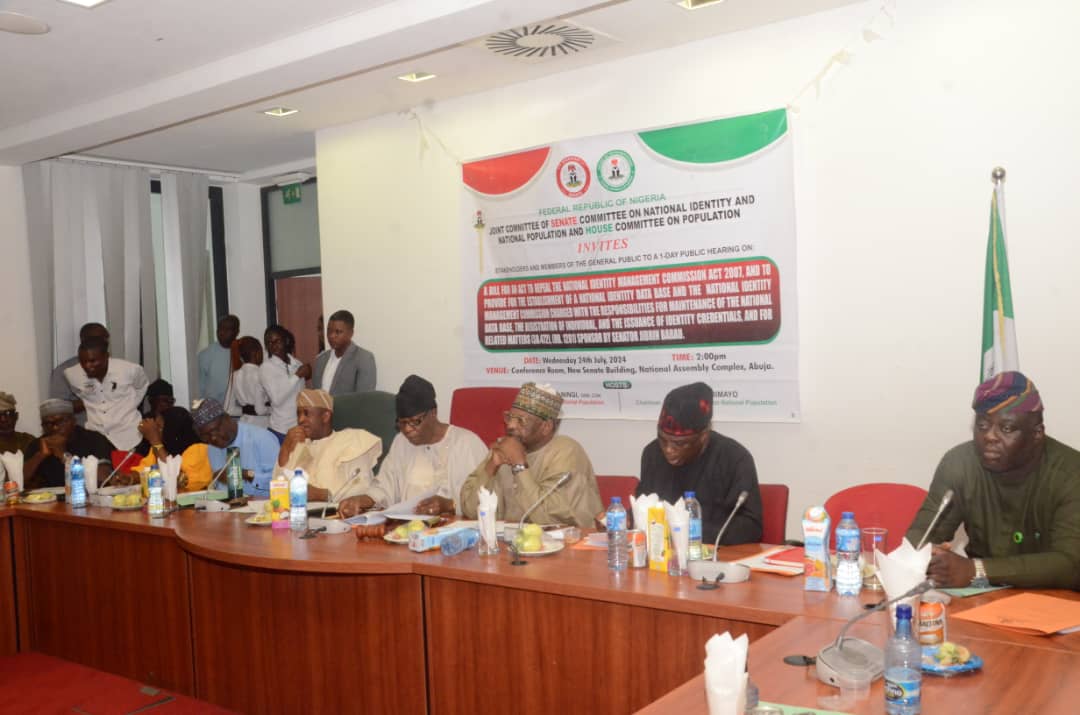
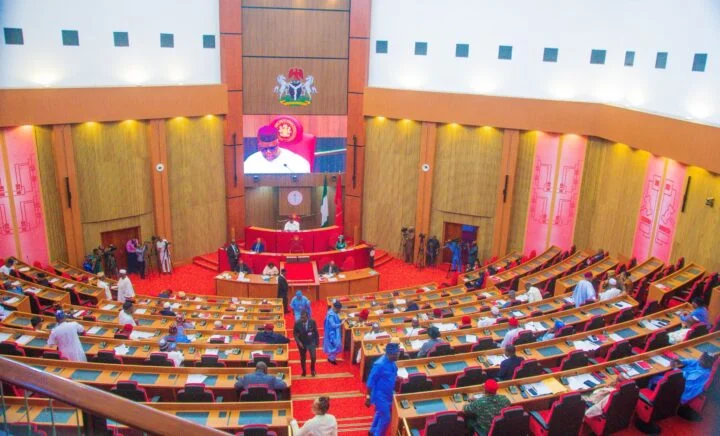
The Nigerian Senate has called for kidnapping to be formally classified as an act of terrorism, punishable by death, as lawmakers expressed outrage over escalating insecurity across Kwara, Niger, and Kebbi States, including the recent abduction of schoolgirls in Kebbi.
The resolution followed an urgent motion raised on Tuesday by Deputy Majority Leader, Senator Lola Ashiru, who warned that Nigeria is facing a “national emergency” and insisted that the country must adopt stronger punitive measures to halt the worsening wave of killings, abductions, and attacks on vulnerable communities.
Deputy Senate President Jibrin Barau reinforced the alarm, declaring that terrorism has now “engulfed the country at an unacceptable scale.” He said the Senate must respond with the “full weight of the law,” including reclassifying kidnapping as terrorism and imposing capital punishment to deter criminal networks.
Lawmakers also condemned the November 18 attack on Christ Apostolic Church (CAC), Eruku, in Ekiti Local Government Area of Kwara State, where two worshippers were killed and 38 others abducted before being rescued. The incident triggered the temporary shutdown of several schools across Kwara, Niger, and Kebbi, as well as 47 Federal Unity Colleges nationwide.
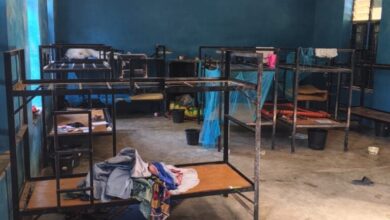
A growing pattern of school abductions dominated the deliberations, particularly the kidnapping of students in Niger and Kebbi States. Senators expressed deep concern over reports that soldiers guarding Government Girls Secondary School, Maga, Kebbi State, were withdrawn just hours before 24 female students were abducted.
Senator Enyinnaya Abaribe demanded an immediate and transparent investigation to determine who authorised the withdrawal of military personnel, describing the timing as “too suspicious to ignore.” His demand received strong backing from Senate President Godswill Akpabio, Senator Seriake Dickson, and several others.
Senator Garba Musa Maidoki issued one of the strongest condemnations of the day, insisting that security agencies already know the locations of terrorist enclaves. He urged the federal government to “eliminate them without compromise,” arguing that leniency and bureaucratic delays have only emboldened criminal elements.
Senator Opeyemi Bamidele, the Senate Majority Leader, cautioned Nigerians against dangerous speculation around the release of abductees but emphasised the need to reassess the performance of Senate security committees. He stressed that President Bola Ahmed Tinubu “does not and will not support ransom payments,” calling instead for strengthened intelligence, community partnership, and operational synergy among security agencies.
Lawmakers further cited intelligence reports indicating that internal collaborators are helping bandits with logistics, information, and escape routes through forest corridors, including the Kwara–Kogi axis, Kebbi–Zamfara route, and the Shiroro–Rafi–Munya belt in Niger State. The poor condition of the Idofian–Omu-Aran–Eruku–Egbe–Kabba federal highway was also highlighted as a factor enabling ambushes and quick escape for attackers.
The Senate commended President Tinubu for cancelling foreign engagements to supervise national security operations and praised security agencies for the rescue of 38 abductees in Kwara and 51 schoolchildren in Niger State.
Key Senate Resolutions Include:
Classifying kidnapping as an act of terrorism and invoking the death penalty.
Mandating a 14-day investigation into rising insecurity across Kwara, Kebbi, and Niger States, including the roles of internal collaborators.
Launching a separate probe into the withdrawal of military personnel from the Kebbi school before the abduction.
Directing immediate reconstruction of the Idofian–Omu-Aran–Eruku–Egbe–Kabba federal highway.
Ordering the Army, Police, DSS, and Defence Intelligence Bureau to intensify intelligence-driven operations, forest combing, and cross-state collaboration.
Establishing a Joint Task Force (JTF) along the Kwara–Kogi corridor with forward operating bases in Eruku, Babanla, Oke-Ero, and Isanlu.
Strengthening local vigilante groups and reviewing Nigeria’s firearms laws to reflect current security realities, in line with global best practices.
Instructing the Ministry of Humanitarian Affairs and NEMA to provide relief to families affected by school closures and attacks.
READ ALSO: Nigerian NewsTime Applauds Stakeholders as Anti-Drug, Public Enlightenment Campaign Gains Momentum
Requesting diplomatic engagement with the U.S. and allied nations to bolster intelligence sharing and counter-terrorism support.
The chamber concluded by observing a two-minute silence in honour of victims of recent attacks, reaffirming its commitment to ensuring the safe return of all abductees nationwide.
About The Author